
A detailed breakdown of Khabib Nurmagomedov's mid-range striking reveals he held his own or dominated on the feet against elite strikers. According to a flexible scoring system analyzing his last five fights, he won the mid-range exchanges against Barboza (25-11), Al Iaquinta (77-23), Dustin Poirier (6-6), and Justin Gaethje (14-12.25), while narrowly losing to Conor McGregor (16-19). Gaethje praised Khabib's jab effectiveness due to his ability to change levels, forcing opponents to respect the takedown threat. The analysis argues Khabib's striking, particularly his jab, was essential for maintaining pressure, closing distance, and setting up his wrestling along the cage. Without strong mid-range skills, securing his preferred cage wrestling positions would have been significantly more difficult.
A fresh analytical breakdown is making the rounds, arguing that Khabib Nurmagomedov's striking — specifically his mid-range game and jab — has long been undervalued by fans and analysts who focus almost exclusively on his grappling dominance.

The breakdown applies a flexible scoring system across Khabib's last five fights, tracking mid-range exchanges round by round. The numbers paint a striking picture: the undefeated Russian came out ahead against Edson Barboza (25-11), Al Iaquinta (77-23), and Justin Gaethje (14-12.25), while drawing even with Dustin Poirier (6-6) and narrowly losing that category to Conor McGregor (16-19). According to the analysis, Khabib's jab was a particularly effective weapon because his level-changing forced opponents to constantly account for the takedown, a point Justin Gaethje himself reportedly praised.
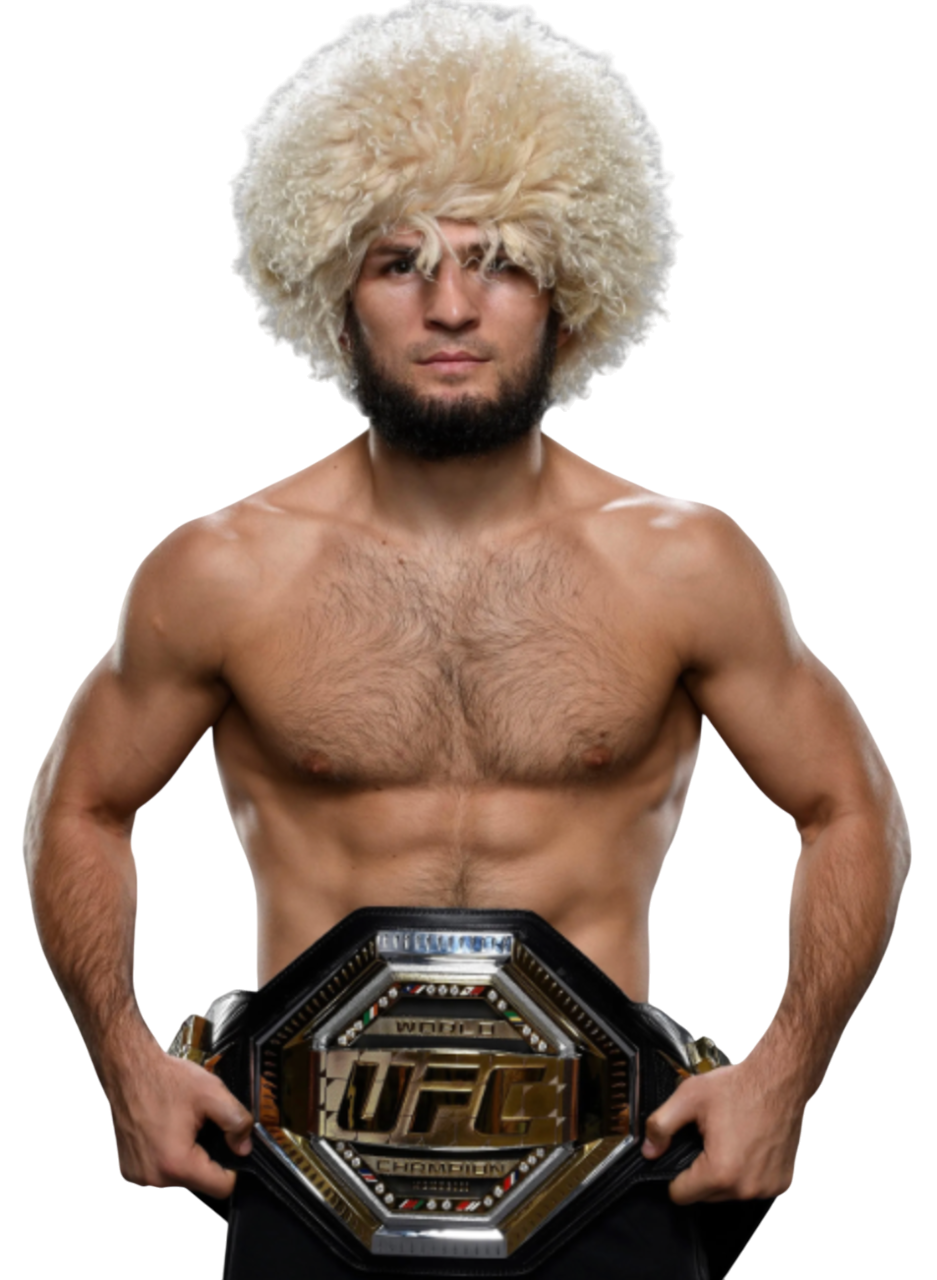
Khabib, now 37, finished his career at a perfect 29-0, representing Russia out of Fightspirit Team. His recorded rate of 5.32 takedowns per 15 minutes stands among the highest in UFC history, and his 48 percent striking accuracy underlines that his stand-up was far from decorative. The argument being made is simple: without a functional mid-range striking game, opponents would never have had to respect the threat that allowed him to close distance and secure his preferred cage wrestling positions.
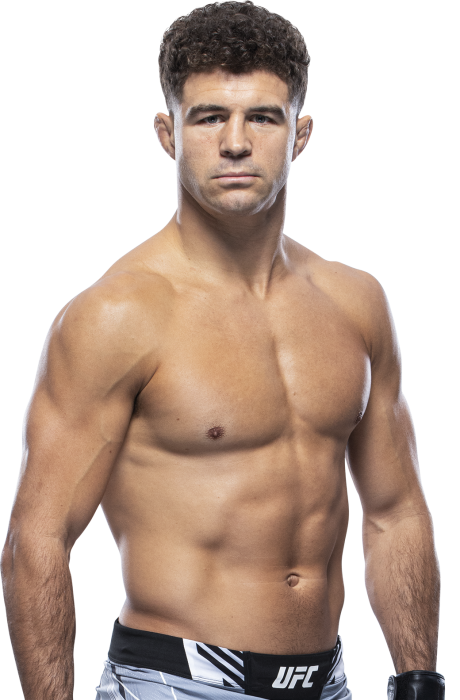
Al Iaquinta, 39, who carried a 14-7-1 record across his career and competed out of Serra-Longo Fight Team, landed just 40 percent of his significant strikes per the database — and the lopsided mid-range score of 77-23 in Khabib's favor illustrates how thoroughly that fight was controlled even before the wrestling began.
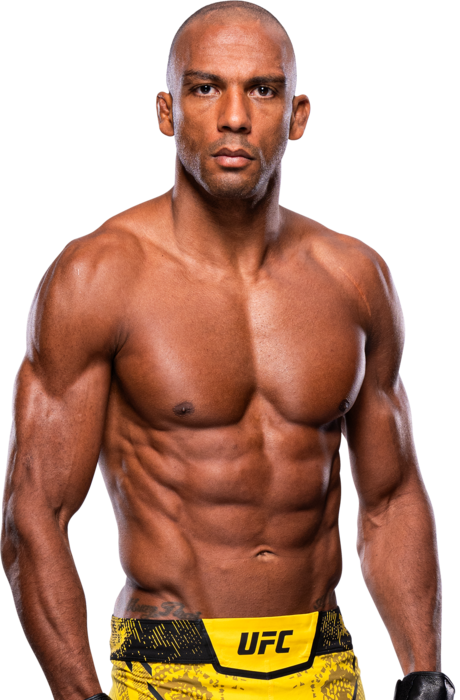
Dustin Poirier, the 37-year-old southpaw from American Top Team who holds a 30-10-0 professional record and averages 5.24 significant strikes per minute, represented one of the stiffest tests on the feet — reflected in their even mid-range split.

Why it matters
- Reframes Khabib's legacy beyond pure grappling and highlights striking as a genuine strategic tool
- The jab-as-level-change concept has direct implications for how coaches and analysts study wrestling-based fighters
- Mid-range control, not just cage wrestling, may have been the foundational layer of Khabib's entire pressure system