
Tapology has introduced a new feature that rates the level of opposition fighters have faced in the UFC. The rating is calculated using a specific formula and ranges from 1 to 99, based on a fighter's last six UFC bouts only. Fights outside the UFC are not included in the calculation. For UFC 328, Sean Strickland has the highest opposition rating at 74, followed by Khamzat Chimaev at 69 and Alexander Volkov at 67. On the lower end, Baysangur Susurkayev and Ozzy Diaz both have ratings of 4, the lowest on the card. This new metric provides fans and analysts with another data point to evaluate fighter quality and strength of schedule.
Tapology has rolled out a new opposition rating system for UFC fighter profiles, giving fans and analysts a fresh way to measure the quality of competition a fighter has faced inside the promotion.

The metric is calculated using a proprietary formula and produces a score between 1 and 99, drawing exclusively from a fighter's last six UFC bouts. Fights outside the organization are excluded entirely.

Heading into UFC 328 on May 9, middleweight champion Sean Strickland carries the highest opposition rating on the card at 74. The 35-year-old American out of Xtreme Couture holds a 31-7-0 record and has built a reputation as one of the most active strikers in the division, landing 6.04 significant strikes per minute at 42 percent accuracy with a six-foot-one frame and a 76-inch reach. Khamzat Chimaev follows at 69, though his verified data was not included in the card breakdown available at publication.

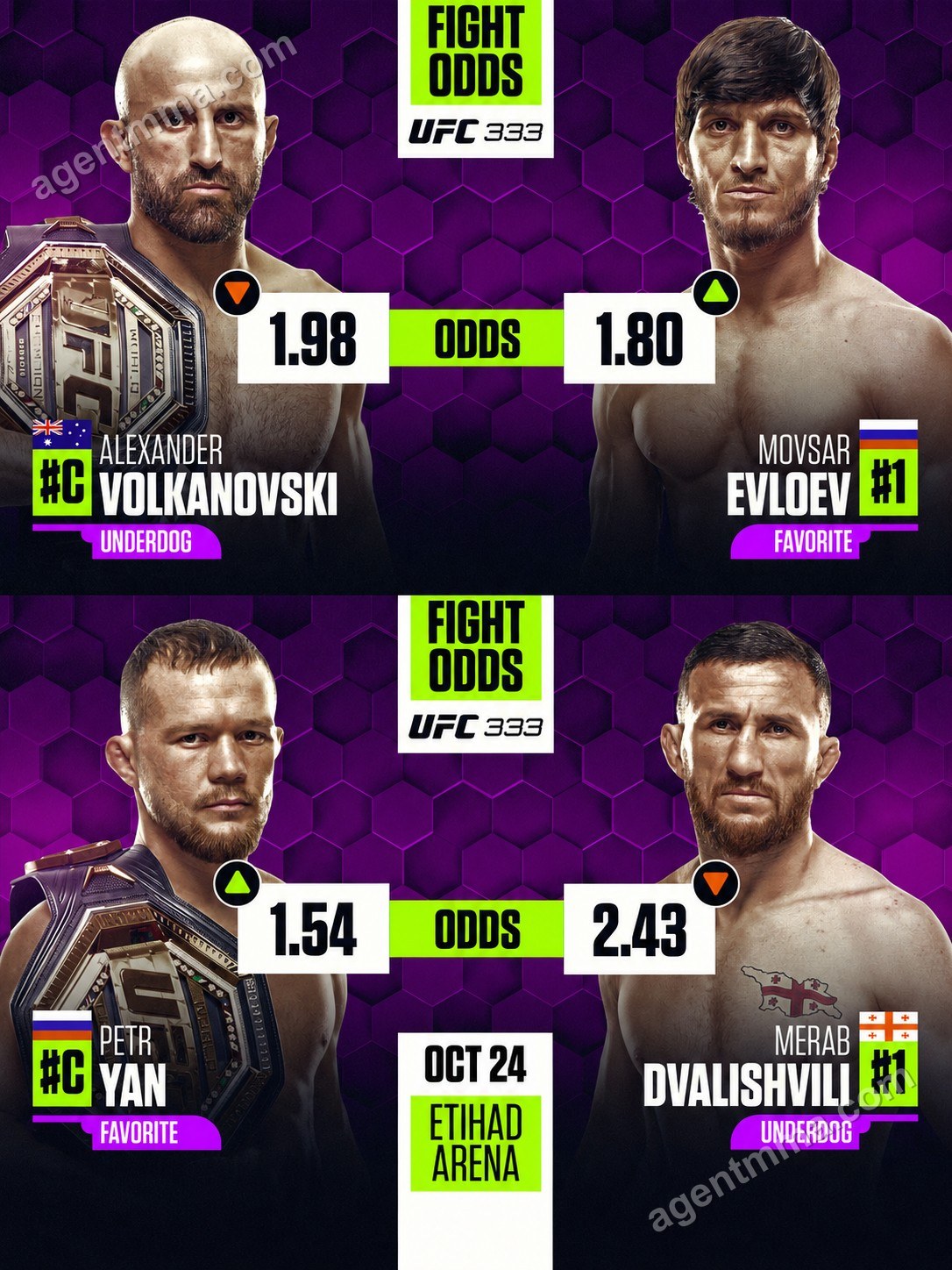
Alexander Volkov, the number-one ranked heavyweight, sits third on the card with a rating of 67. The 37-year-old Russian from Strela Team brings a 40-11-0 record, a six-foot-seven (201 cm) frame, and an 80-inch reach to his matchups, landing 4.78 significant strikes per minute at a sharp 57 percent accuracy.

At the other end of the spectrum, Baysangur Susurkayev and Ozzy Diaz each hold a rating of 4, the lowest figures among all fighters listed for UFC 328.

Why it matters
- The metric offers a standardized way to compare strength of schedule across fighters in the same division or across weight classes.
- Limiting the calculation to the last six UFC bouts keeps ratings current and reflective of a fighter's recent competitive level.
- Significant gaps in opposition ratings within a single event card could influence how fans and media interpret matchmaking decisions.



Saturday, May 9, 2026