
Former UFC bantamweight champion TJ Dillashaw revealed he has eliminated plastic from his life entirely for several years. He refuses to drink from plastic bottles and uses aluminum containers for his company's products. Dillashaw has installed reverse osmosis water filtration systems throughout his home, including in showers, toilets, and sinks. When traveling, he only purchases water in glass bottles from stores like Whole Foods. He regularly tests his urine and takes glutathione supplements to remove heavy metals and plastic from his body. Dillashaw expressed frustration at being unable to find an espresso machine without plastic tubing, despite loving coffee. His extreme measures reflect growing concerns among athletes about microplastics and environmental toxins.
Former UFC bantamweight champion TJ Dillashaw has spoken publicly about his commitment to eliminating plastic from his daily life, describing a years-long effort to reduce his exposure to microplastics and environmental toxins.
Dillashaw, 40, holds an 18-5-0 professional record and built his reputation as one of the most technically refined fighters in the bantamweight division, landing 5.09 significant strikes per minute across his career at 41 percent accuracy. The orthodox southpaw stands five-foot-six with a 67-inch reach. Now retired from active competition, he has turned part of his focus toward health optimization and runs a product company that he says uses aluminum containers rather than plastic packaging.
The former champion described installing reverse osmosis water filtration systems throughout his home, covering showers, toilets, and sinks. He refuses to drink from plastic bottles entirely, opting for glass-bottled water when away from home, sourcing it from retailers such as Whole Foods. To further manage toxin levels, he said he regularly tests his urine and takes glutathione supplements intended to help the body clear heavy metals and plastic compounds.
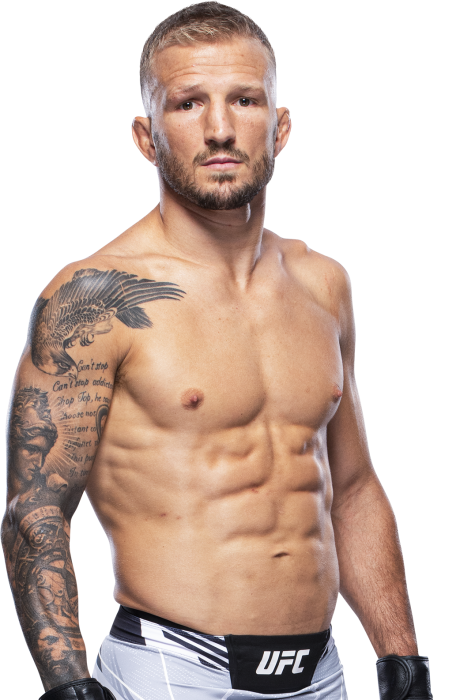
Dillashaw also noted a point of frustration in his plastic-free lifestyle: his love of coffee runs up against the near-universal use of plastic tubing in espresso machines, a problem he has not yet been able to resolve to his satisfaction.
Why it matters
- Growing awareness of microplastic exposure among professional athletes is pushing wellness conversations beyond nutrition and training
- Dillashaw's public profile gives added visibility to debates around environmental toxins and performance health
- His product company's material choices suggest the topic is influencing his business decisions as well as his personal habits