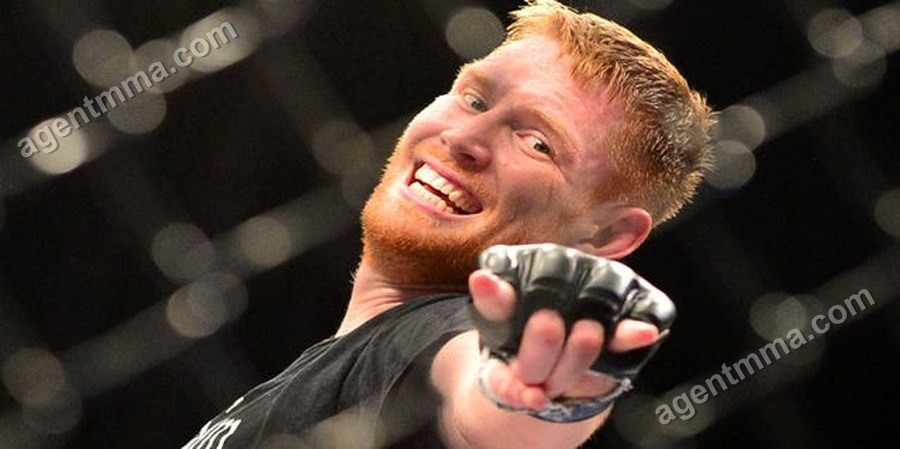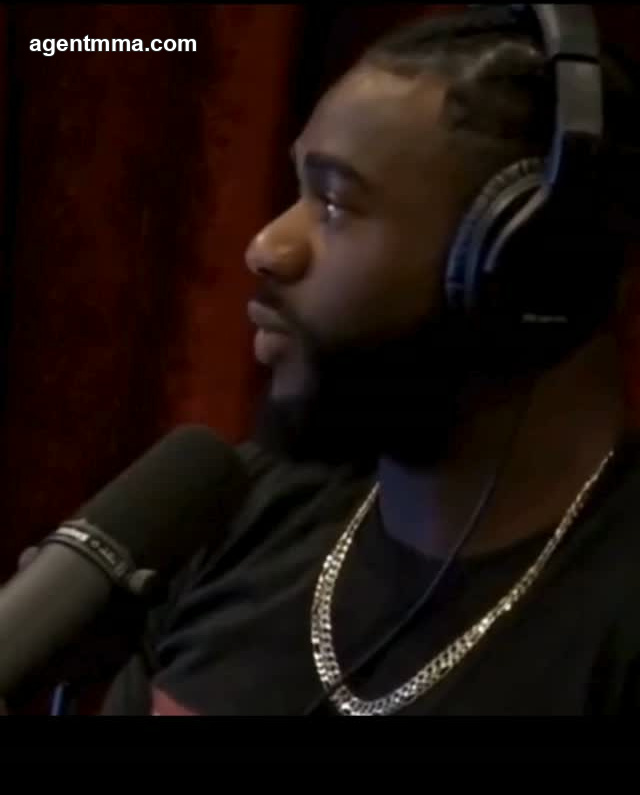
The UFC has announced that heavyweight Mohammed Usman accepted a 30‑month period of ineligibility after testing positive for testosterone, a prohibited anabolic agent, under the promotion’s anti‑doping program. The sample was collected ahead of a planned bout in Rio de Janeiro, after which he was removed from the card and later sanctioned. CSAD, which now administers the UFC’s year‑round testing, stated that aggravating factors, including multiple substances and deceptive conduct, justified the extended suspension. Usman will not be eligible to compete again until April 9, 2028, casting uncertainty over the trajectory of his UFC tenure.
Mohammed Usman, the Nigerian UFC heavyweight known as "The Motor," has been handed a 30-month suspension after testing positive for testosterone under the promotion's anti-doping program, the UFC announced on May 10, 2026.
The sample that triggered the sanction was collected ahead of a planned bout in Rio de Janeiro. Usman was pulled from that card before the violation was fully adjudicated. The Combat Sports Anti-Doping program, which now runs the UFC's year-round testing operation, determined that aggravating circumstances — including the presence of multiple prohibited substances and deceptive conduct — warranted the extended ban beyond a standard suspension. As a result, Usman is barred from competition until April 9, 2028.
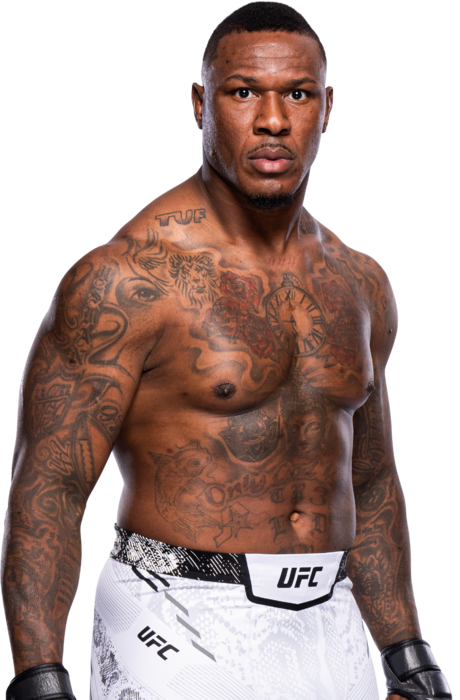
Usman, 37, carries a professional record of 12 wins and 4 losses and competes in the heavyweight division out of War Room Kickboxing and MMA. Standing six-foot-two with a 79-inch reach, the orthodox striker averages 3.41 significant strikes per minute, though his striking accuracy sits at 36 percent. He adds a modest ground threat with 0.69 takedowns per 15 minutes.
Why it matters
- The suspension runs through April 2028, meaning Usman will be 39 years old before he is eligible to compete again under the UFC banner.
- The aggravating factors cited — multiple substances and deceptive conduct — signal a more serious violation than a straightforward positive test, which may affect how the UFC handles any future reinstatement.
- With Usman already on the back end of his career, the nearly three-year absence raises real questions about whether he will return to active competition at the highest level.