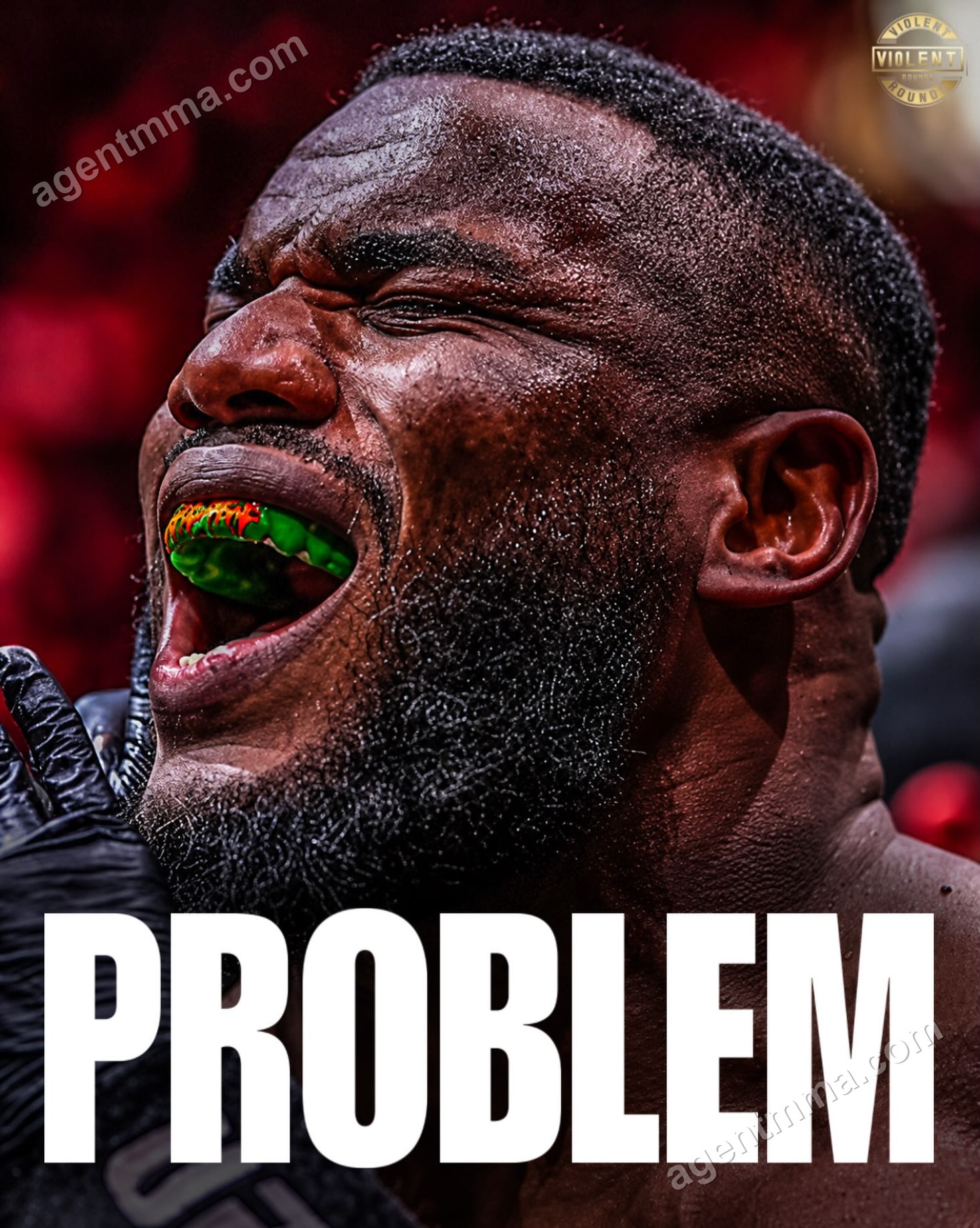
Artur Beterbiev is 41 and Dmitry Bivol is 35, both nearing the end of their careers. Beterbiev's devastating knockout power remains his primary advantage, while Bivol's lack of recent activity has affected his speed and sharpness, leading to longer, less dynamic fights.
A recent analysis of the light heavyweight division's top two names has put a spotlight on the contrasting trajectories of Artur Beterbiev and Dmitry Bivol, examining how age and fighting style are shaping the twilight of both men's careers.
Beterbiev, now 41 years old, continues to be regarded as one of the most dangerous finishers in the sport. His knockout power remains the defining weapon in his arsenal, a threat that has defined his career regardless of opponent or circumstance. Despite his age, that finishing ability has not diminished in the eyes of analysts breaking down his capabilities at this stage.
Bivol, six years younger at 35, presents a different picture. The analysis points to a lack of recent activity as a contributing factor to a noticeable drop in his speed and sharpness. His fights have reportedly become longer and less dynamic as a result, a contrast to the crisp, controlled performances that built his reputation at the top of the division.
Why it matters
- Beterbiev's age is a legitimate concern, but his power-based style may age more gracefully than a speed-dependent game
- Bivol's ring rust and slowed output raise questions about his ability to return to peak form
- Both men are considered to be nearing the end of their competitive primes, meaning the window for marquee matchups in this division is narrowing
- The stylistic gap between a relentless pressure puncher and a technical boxer-mover adds layers to any potential future meeting between the two
The broader takeaway from the breakdown is that the light heavyweight landscape at the elite level is being shaped as much by time as by talent, with both champions managing the realities of long careers at the highest level of the sport.