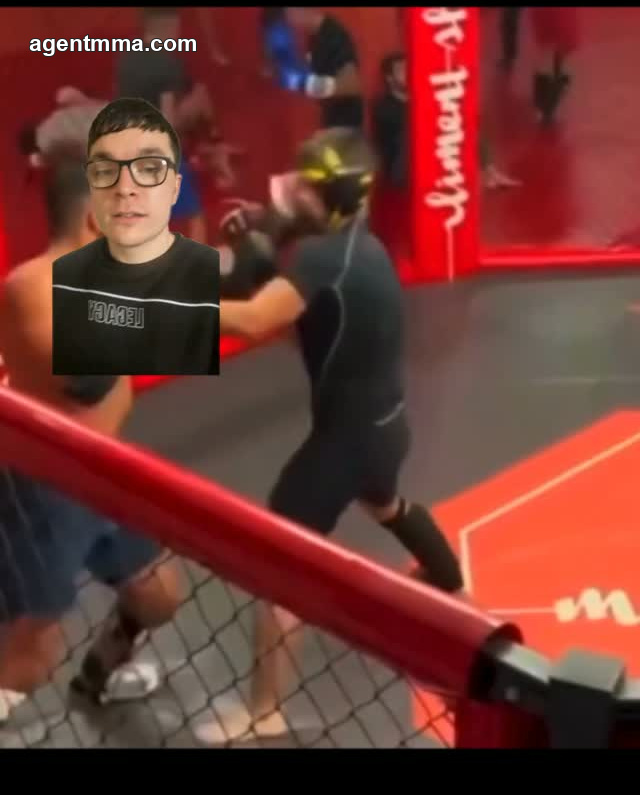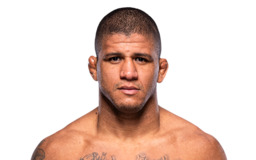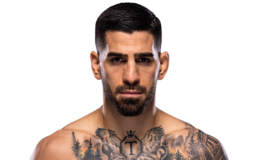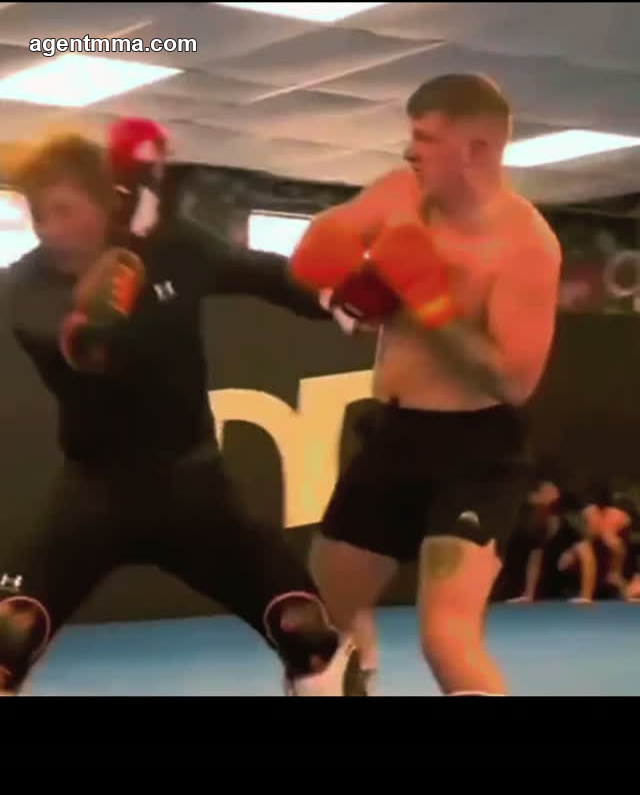

Justin Gaethje's trainer Trevor Whitman explained that the key tactical goal against Ilia Topuria was to use footwork to exit to the outside of his lead foot and work left-side angles under pressure, neutralizing Topuria's powerful straight shots off the shoulder. Whitman said the plan called for early high kicks rather than low kicks to make Topuria respect the threat and that the turning point came when Topuria shifted his weight to his back foot, triggering a jab war Gaethje was better equipped to win. The trainer also noted that Topuria made a significant error by attempting a takedown when Gaethje was rocked, and praised Gaethje's ring-smart ability to use pauses to recover during the later rounds.
Trevor Whitman has pulled back the curtain on the tactical blueprint that helped Justin Gaethje claim lightweight gold against Ilia Topuria, detailing a footwork-heavy approach designed to neutralize one of the division's most dangerous strikers.
Gaethje, now the lightweight champion at 37 years old, improved to 28-5-0 with the victory. The Arizona-based fighter out of Genesis Training Center stands five-foot-eleven with a 70-inch reach and has long been one of the division's most prolific offensive threats, landing significant strikes at a rate of 6.48 per minute at 58 percent accuracy — numbers that reflect a fighter who is both active and precise.

Topuria, the 29-year-old Spaniard ranked second in the lightweight division and first in the pound-for-pound standings, came in at 17-1-0. Fighting out of Climent Club, the five-foot-seven orthodox striker carries a 69-inch reach and lands at 4.81 significant strikes per minute, with a takedown rate of 1.96 per 15 minutes that signals genuine grappling threat.
Whitman explained that the central tactical objective was for Gaethje to exit to the outside of Topuria's lead foot and work left-side angles, preventing Topuria from loading his powerful straight punches off the shoulder. The plan also prioritized early high kicks over low kicks, forcing Topuria to account for an elevated threat before committing to exchanges. According to Whitman, the fight's turning point arrived when Topuria shifted his weight to his back foot, opening a jab-based exchange that Gaethje was better positioned to control.

Why it matters
- Topuria's decision to attempt a takedown while Gaethje was hurt proved costly, according to Whitman, short-circuiting what could have been a finishing sequence
- Gaethje's ability to use pauses in the later rounds to recover showed the ring intelligence behind a 28-fight professional career
- The tactical breakdown highlights how footwork and angle work can disrupt even the most accurate pressure strikers in the lightweight division