
A detailed analysis argues that Khabib Nurmagomedov's boxing skills, particularly on the mid-range and his jab, have been underappreciated as key components of his success. Justin Gaethje praised Khabib's jab, noting its effectiveness was enhanced by his ability to change levels and threaten takedowns. Statistical breakdowns from Khabib's final five fights show he won or matched his opponents on the mid-range striking in four of five bouts, including against elite strikers like Gaethje, Conor McGregor, and Dustin Poirier. Against Al Iaquinta, Khabib landed 77 significant mid-range strikes compared to 23 for his opponent, described as a dominant jab performance. Even against McGregor, one of the sport's best boxers, Khabib managed a competitive 16-19 striking exchange and scored a knockdown. The analysis concludes that Khabib's striking, while enhanced by takedown threats, was genuinely high-level and essential to his ability to close distance and secure dominant positions against the cage.
A recent analysis makes the case that Khabib Nurmagomedov's boxing has long been one of the most undervalued weapons in modern MMA, with his jab in particular deserving far more credit than it typically receives.

Nurmagomedov, who retired with a perfect 29-0-0 record, built his legacy primarily on suffocating grappling — he averaged 5.32 takedowns per 15 minutes across his career. But the breakdown argues that framing him solely as a wrestler misses a crucial dimension of his game. At five-foot-ten with a 70-inch reach, the Russian fought out of an orthodox stance and landed significant strikes at a rate of 4.1 per minute with 48 percent accuracy, numbers that hold up respectably against elite competition. Justin Gaethje, himself a high-volume striker, praised Khabib's jab specifically, noting that its effectiveness was amplified by the constant threat of a level change and takedown attempt — a combination that made the punch exponentially harder to time and counter.
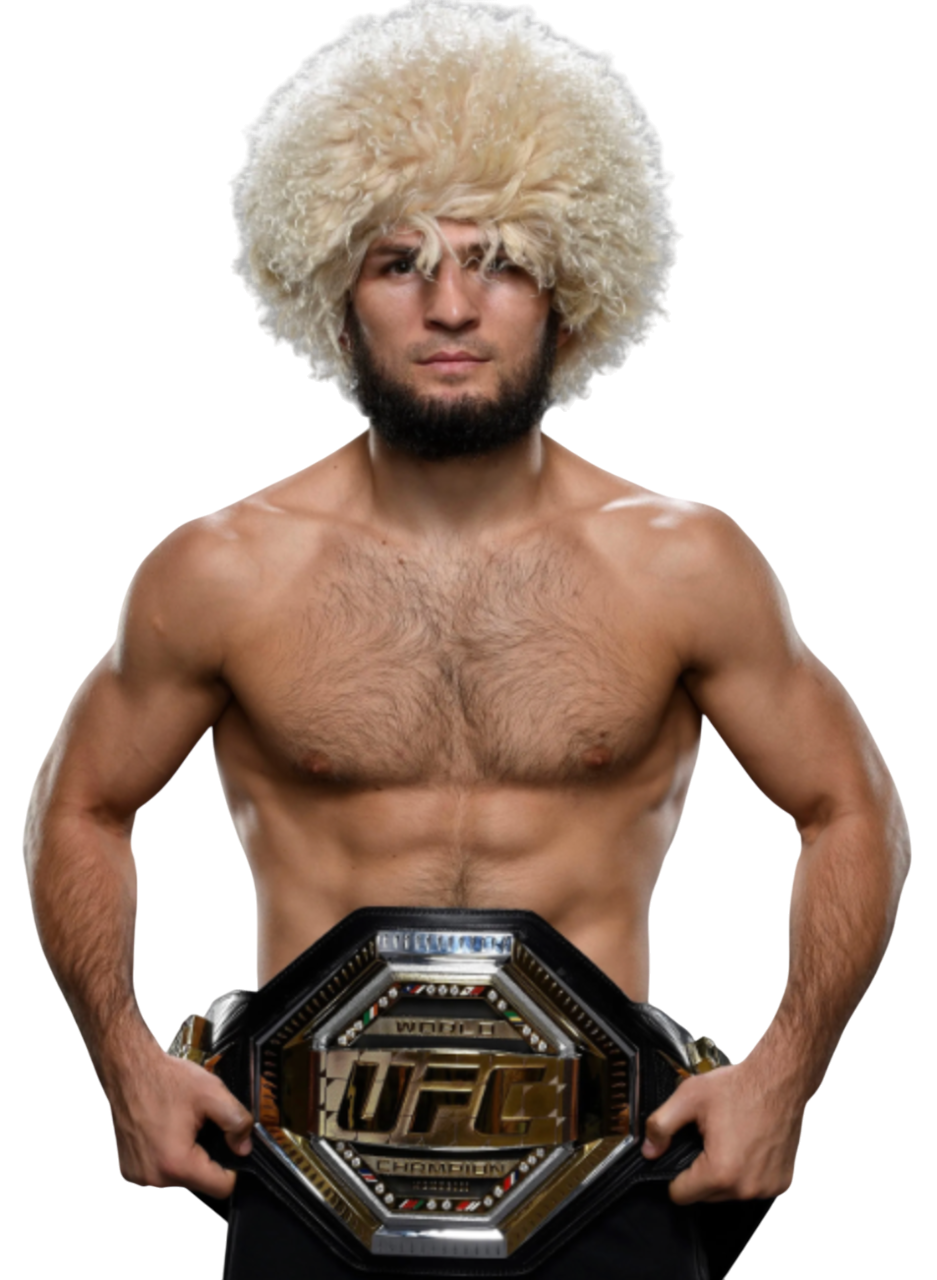
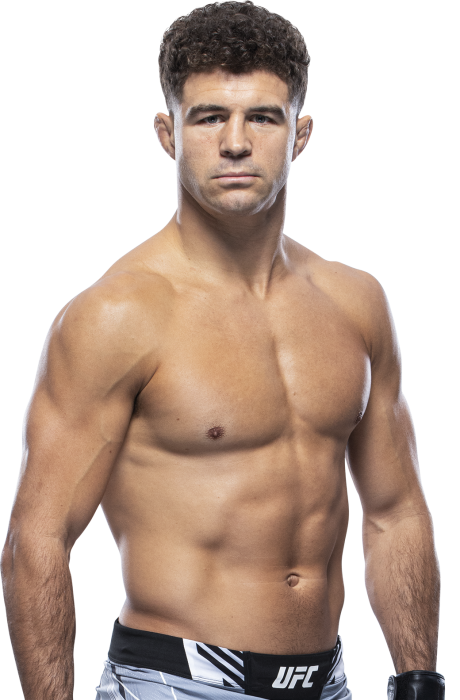
The statistical evidence drawn from Khabib's final five fights strengthens the argument. Against Al Iaquinta, a 14-7-1 orthodox fighter from the Serra-Longo camp who lands at a similar rate of 4.06 significant strikes per minute, Khabib dominated the mid-range exchange 77 to 23. Even against Conor McGregor, widely regarded as one of the sport's elite boxers, Khabib held a competitive 16-to-19 striking exchange and scored a knockdown. The analysis credits those outcomes to a jab that functioned as a genuine offensive tool, not merely a range-finder or setup for the clinch.
Why it matters
- Khabib's 29-0 legacy is often explained entirely through wrestling, but the data suggests his striking was a necessary and high-level component
- His jab created layered problems: opponents defending the punch also had to respect the takedown, compounding the difficulty
- The findings reframe how analysts and coaches might study the relationship between grappling threats and stand-up effectiveness at the championship level