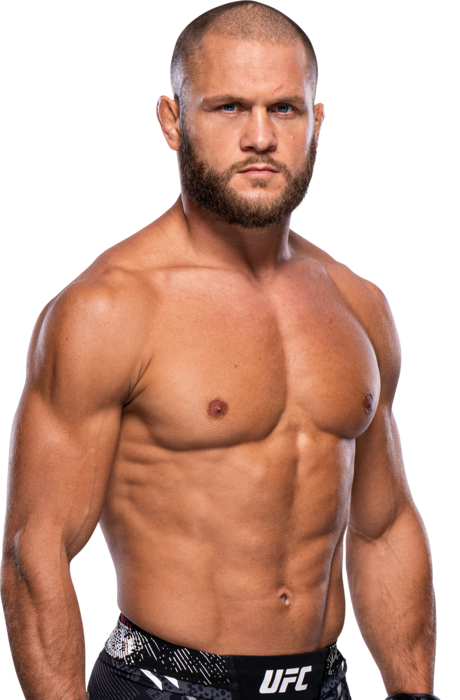
Rafael Fiziev has rejected being labeled a product of the Kyrgyz martial arts school, stating he considers himself self-made. Speaking ahead of UFC Baku, Fiziev praised fighters such as Razhabali and Orolbai as genuine phenomena while crediting their success to individual talent rather than a national system.
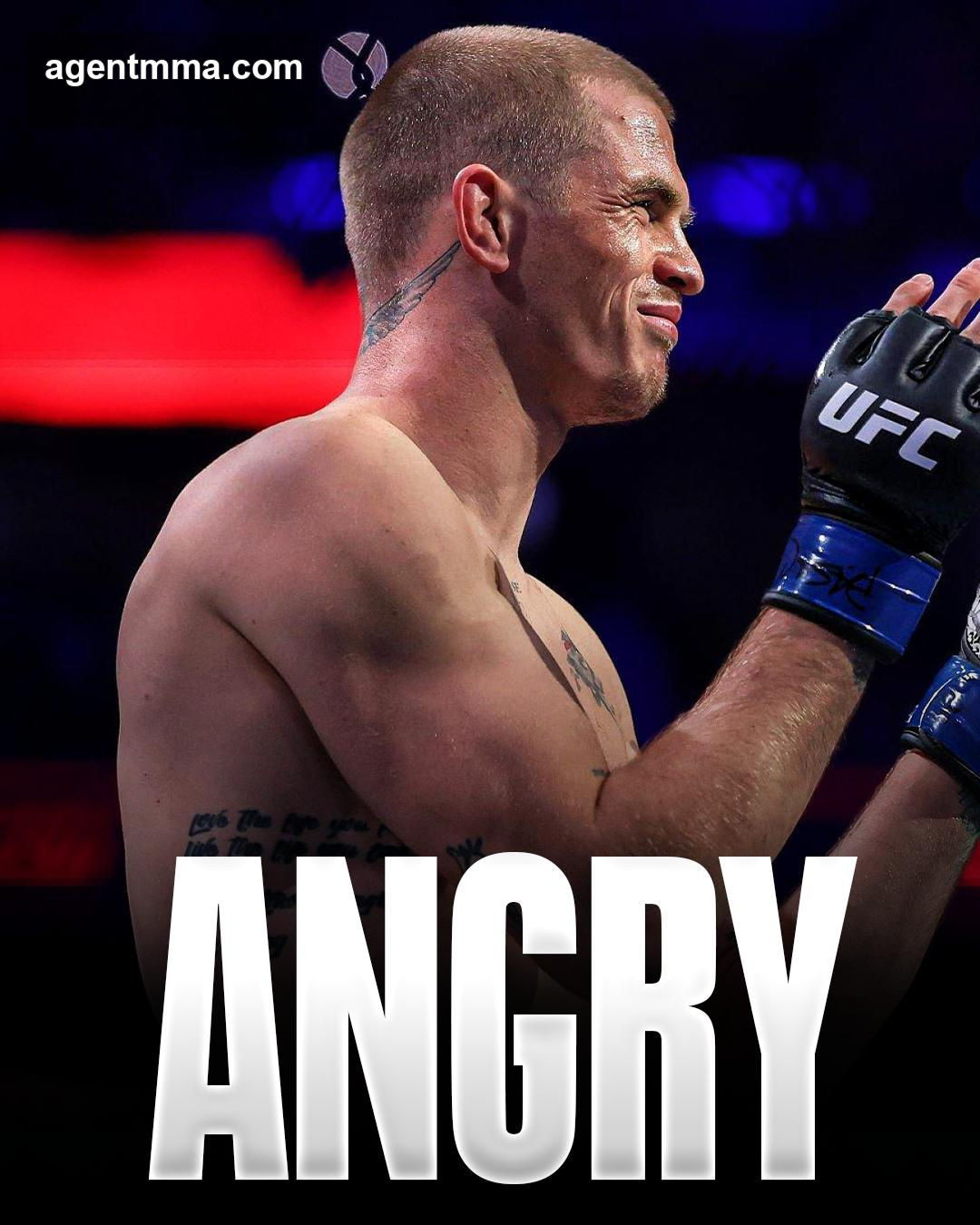
Rafael Fiziev made clear ahead of UFC Baku that he does not see himself as a product of Kyrgyz martial arts, drawing a firm line between his own development and any national system or school.

The 33-year-old Kazakhstani, ranked seventh in the UFC lightweight division, acknowledged fighters such as Razhabali and Orolbai as standout talents but insisted their achievements come from individual gifts rather than from any organized Kyrgyz MMA infrastructure. Fiziev described himself as self-made, rejecting the idea that a regional label defines his career or his fighting identity. Competing out of Tiger Muay Thai, Fiziev carries a 14-5 record and has built his reputation on high-volume striking, averaging 4.71 significant strikes per minute at 52 percent accuracy — numbers that reflect his explosive, switch-stance style.
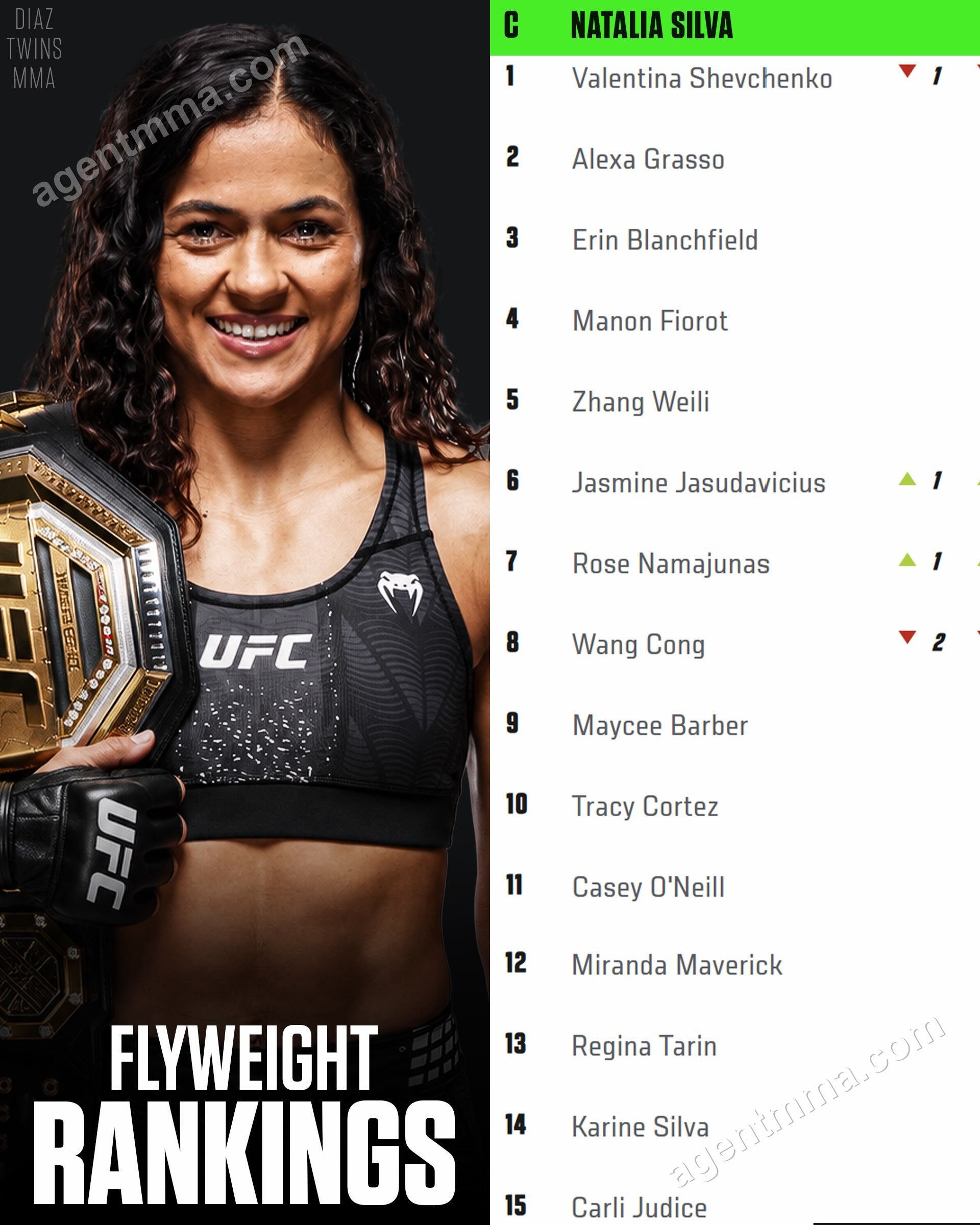
The comments arrive at a notable moment, given that Fiziev's Tiger Muay Thai teammate Valentina Shevchenko — herself from Kyrgyzstan — has long served as the most prominent symbol of Kyrgyz combat sports on the world stage. Shevchenko, 38, holds the UFC women's flyweight title with a 26-4-1 record and is widely regarded as one of the most decorated fighters in the promotion's history. The two share a gym but, as Fiziev's remarks suggest, they represent distinct national identities and self-conceptions within the sport.
Why it matters
- Fiziev's comments complicate the narrative around Central Asian MMA as a unified regional force, separating individual excellence from institutional development.
- His remarks praise specific Kyrgyz fighters by name, avoiding a blanket dismissal while still rejecting collective ownership of his own rise.
- With UFC Baku approaching, the interview signals Fiziev is focused on asserting his own identity as a ranked lightweight contender rather than leaning on regional affiliation.