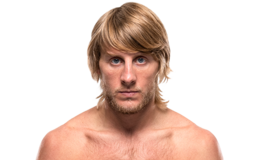
Matt Brown has spoken out about the challenges Dustin Poirier is navigating following his retirement from fighting. Brown, a veteran who has experienced the emotional weight of stepping away from the sport himself, expressed understanding for what Poirier is going through in this transitional period.
Matt Brown has opened up about the emotional difficulties Dustin Poirier is facing as the former lightweight contender adjusts to life after professional fighting.
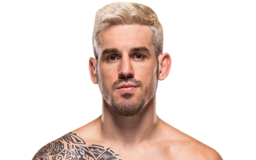
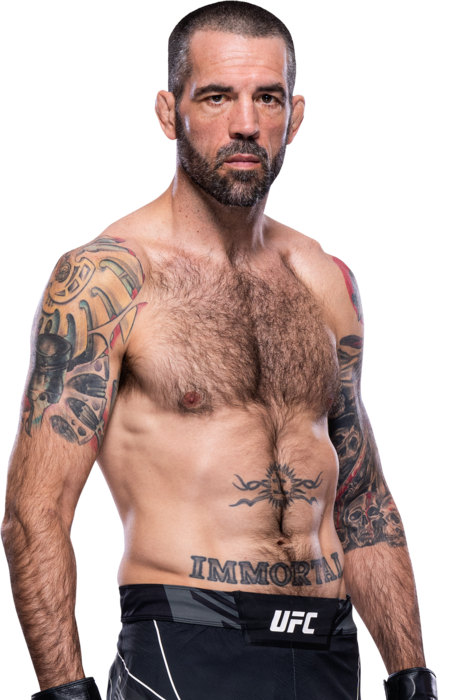
Brown, 45, knows that transition intimately. Known as "The Immortal," the orthodox striker from Ohio compiled a 26-19-0 record across a lengthy UFC career before stepping away himself. Standing six feet tall with a 75-inch reach, Brown built his reputation as one of the division's most rugged competitors, averaging 3.76 significant strikes landed per minute with a 55 percent striking accuracy. He has spoken candidly in the past about the psychological toll retirement takes on fighters who have spent their lives inside the cage.
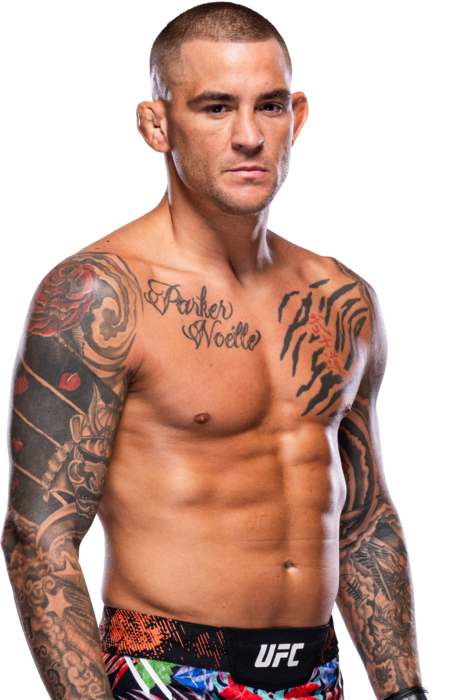
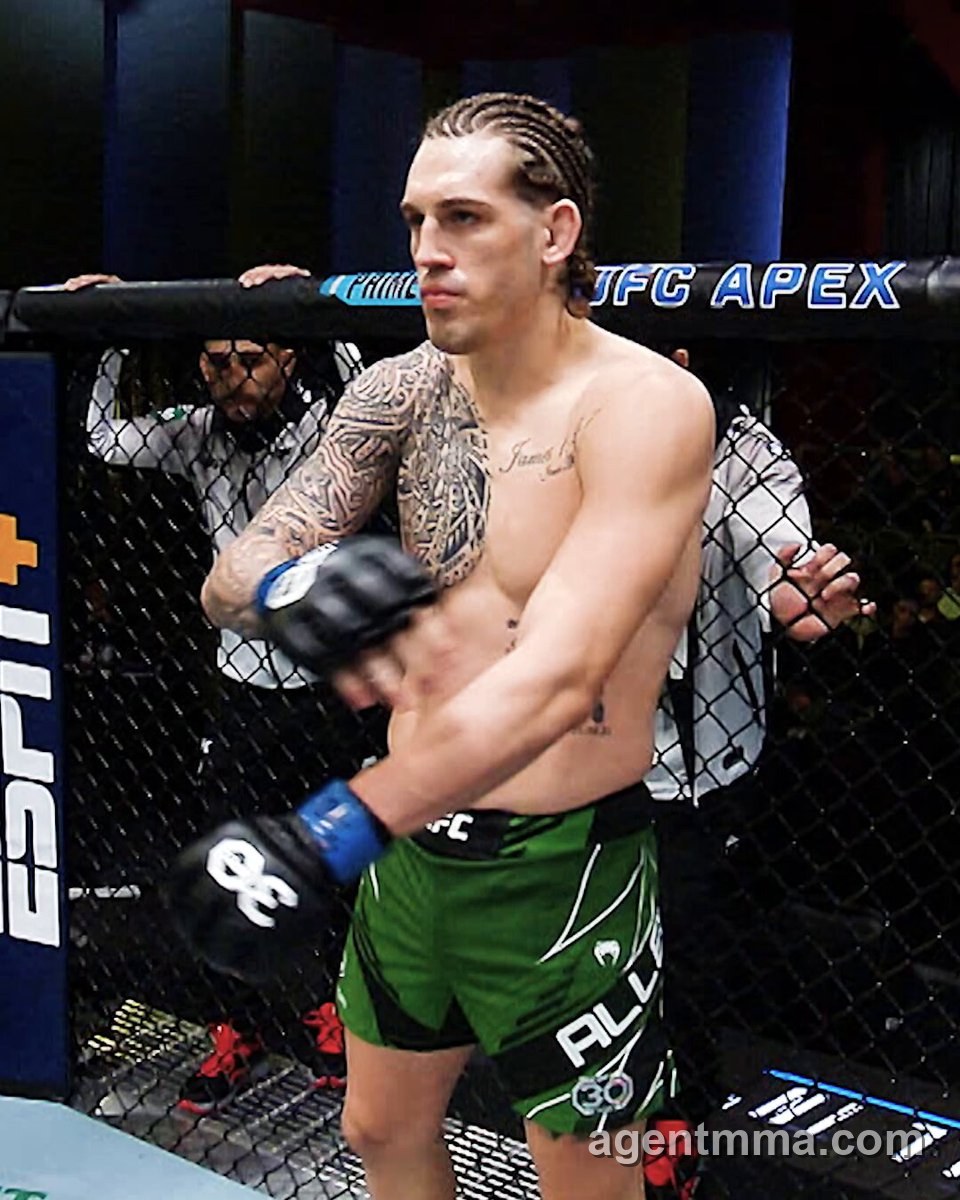
Poirier, 37, retired with a 30-10-0 record that cements his legacy as one of the finest lightweights of his generation. "The Diamond" out of American Top Team was a relentless pressure fighter, landing 5.24 significant strikes per minute at 50 percent accuracy while also mixing in consistent takedown and submission threats. The southpaw stood five-foot-nine with a 72-inch reach and fought some of the biggest names in UFC history during a career that included title challenges and multiple Fight of the Night performances.
Brown expressed understanding for what Poirier is navigating during this transitional period, drawing on his own experience of stepping away from a sport that had defined much of his adult life.
Why it matters
- Retirement adjustment is a recurring and underreported issue for elite fighters, and high-profile voices like Brown's help bring attention to it.
- Poirier's exit leaves a significant gap in the lightweight division at 155 pounds, where his 30-win career had long shaped the landscape.
- Brown's willingness to speak openly reflects a broader cultural shift in combat sports around mental health and life after competition.