
UFC has released footage of Conor McGregor drilling the technique he used to open his most recent bout, as debate continues over whether he entered the fight already carrying an injury. The video fuels competing theories: that McGregor suffered the injury on his first leap into action during the fight, or that he was hurt before the opening bell.
UFC released footage on July 12 showing Conor McGregor working through the opening strike he deployed in his most recent fight, reigniting a heated debate about whether the Irish star entered the bout already carrying an injury.
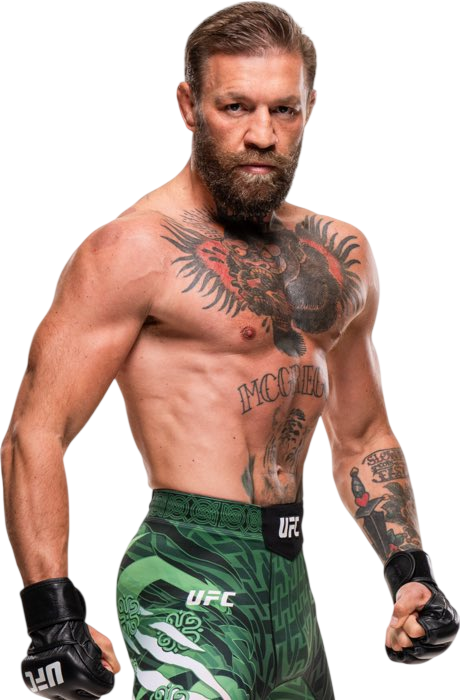
McGregor, 37, competes at lightweight and holds a professional record of 22 wins and 7 losses. The Notorious, who trains out of SBG Ireland and fights out of a southpaw stance, stands five-foot-nine with a 74-inch reach. Over the course of his career he has averaged 5.27 significant strikes landed per minute at a 49 percent striking accuracy clip, numbers that reflect the explosive, precise attack that made him one of the sport's most recognizable figures.
The newly released video has given ammunition to two distinct camps. One school of thought holds that McGregor was already hurt before the opening bell rang, pointing to the footage as evidence of an athlete moving through a compromised range of motion in training. The other argues the injury occurred the moment he launched into his first exchange inside the cage, with that initial leap being the source rather than a symptom of the problem.
Why it matters
- The footage keeps the injury timeline question unresolved and publicly contested
- McGregor's health status has direct implications for his future availability and any potential return to competition
- His drawing power means the circumstances surrounding his most recent performance carry commercial as well as athletic weight
UFC has not issued a formal medical statement clarifying when the injury occurred, and no official timeline has been established. The release of the training clip appears to have deepened the uncertainty rather than settling it, leaving the debate open as observers continue to parse the available visual evidence on both sides of the argument.