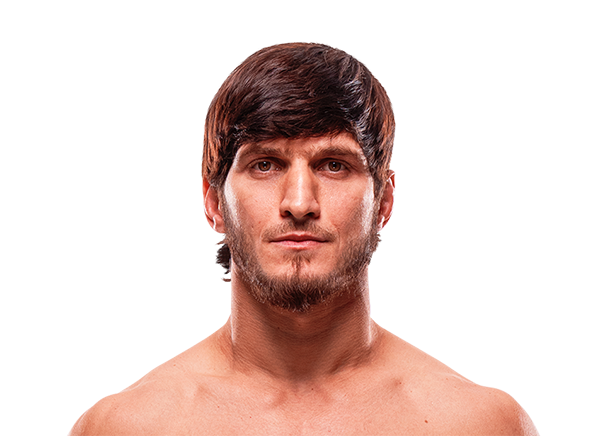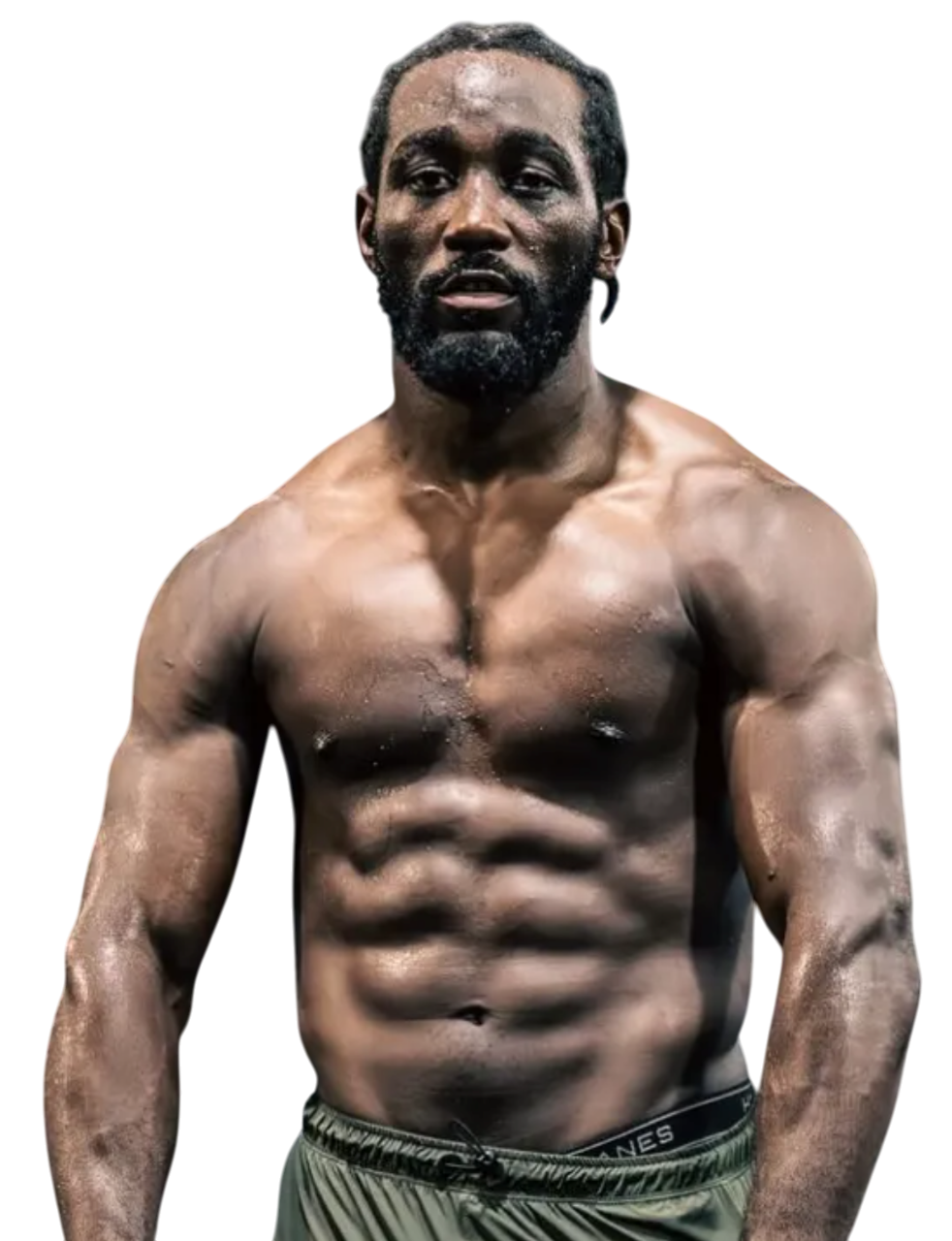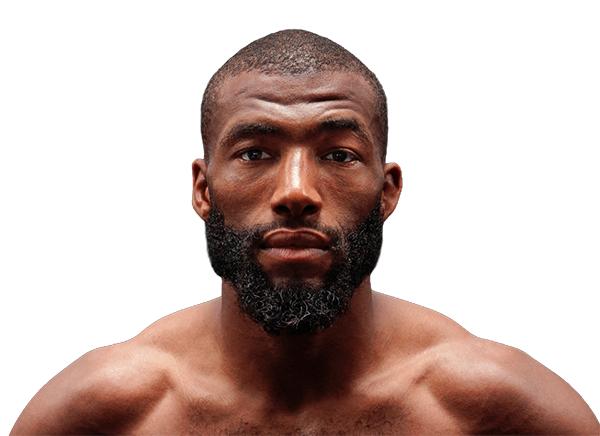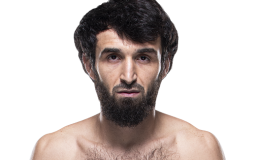

Johnny Walker has disclosed his intention to transition to the heavyweight division. He cited his training and sparring experience with Francis Ngannou, noting that even while on a diet with a 20kg weight difference, he was able to work comfortably with the former heavyweight champion. Walker explained that he would feel much better at heavyweight because dieting negatively impacts his training, causing dizziness and low energy due to insufficient carbohydrates. The move would represent a significant shift in his UFC career as he seeks better performance without the constraints of weight cutting.
Johnny Walker has revealed his intention to leave the light heavyweight division behind and make the jump to heavyweight, a move the Brazilian contender says would allow him to perform at his best without the physical toll of cutting weight.
Walker, 34, currently sits at number 11 in the UFC light heavyweight rankings with a professional record of 22 wins and 10 losses. Training out of SBG Ireland, the six-foot-six, 198 cm Brazilian is already an imposing figure at 205 pounds, and his natural size has long made weight management a challenge. He lands 4.06 significant strikes per minute at a striking accuracy of 55 percent, numbers that suggest his offensive output could be even greater without the drain of a weight cut.

The catalyst for Walker's thinking appears to be his time sparring with former heavyweight champion Francis Ngannou. Walker noted that even while dieting — with a 20-kilogram weight difference between the two men — he was still able to work comfortably with Ngannou. The experience convinced him that he belongs in the heavier division. Walker pointed specifically to the negative effects of carbohydrate restriction during fight camps, describing bouts of dizziness and low energy that he believes are hampering his training and, ultimately, his performances.
Ngannou, 38, carries an 18-3 professional record and holds a pound-for-pound ranking of 12. The Cameroonian stands six-foot-four at 193 cm with an 83-inch reach, making the fact that Walker held his own in the gym alongside him a meaningful data point.

Why it matters
- Walker's six-foot-six frame and 82-inch reach would translate well to heavyweight, where size is a considerable advantage.
- A division change would remove him from the crowded light heavyweight top 15, resetting his path in a new weight class.
- Eliminating a demanding weight cut could directly improve his training quality and in-cage output, which Walker himself identifies as the primary motivation.