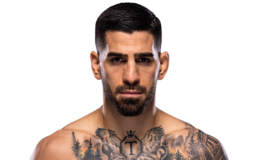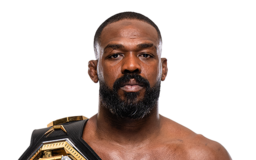

Dana White stated that he likes Arman Tsarukyan but offered some pointed advice for the lightweight contender. White told Tsarukyan to stop being a 'maniac' while also calling him a 'tough bastard' in what appears to be a mix of praise and constructive criticism. The comments suggest White appreciates Tsarukyan's fighting style and toughness but wants him to adjust his approach in some way. The context of White's remarks and what specific behavior prompted them is not detailed in the source.
UFC President Dana White recently spoke publicly about lightweight contender Arman Tsarukyan, delivering a message that blended genuine appreciation with pointed advice for the Russian fighter.
White described Tsarukyan as a "tough bastard" while simultaneously urging him to stop being a "maniac," a characterization that reads as both a compliment to the fighter's relentless style and a call for greater discipline in his approach. The specific context that prompted the remarks was not detailed, but the tone suggests White sees real potential in Tsarukyan that he believes could be better channeled.

Tsarukyan, who goes by the nickname "Ahalkalakets," currently sits at number one in the lightweight rankings at just 29 years old. The Armenia-born, Russia-representing fighter trains out of American Top Team and carries a record of 23 wins and 3 losses. Standing five-foot-seven with a 72-inch reach, he is a compact but relentless presence at 155 pounds. His numbers reflect that aggression — he lands 3.85 significant strikes per minute at a fifty percent accuracy rate, while also threatening on the ground with 3.26 takedown attempts per fifteen minutes.
Why it matters
- Tsarukyan is the number one ranked lightweight, making any commentary from White about his readiness or conduct directly relevant to a potential title shot
- White's remarks, however informal, could signal internal discussions about how Tsarukyan is being positioned within the division
- His all-action style makes him a compelling contender, but the "maniac" label hints that his approach may carry risks White wants addressed