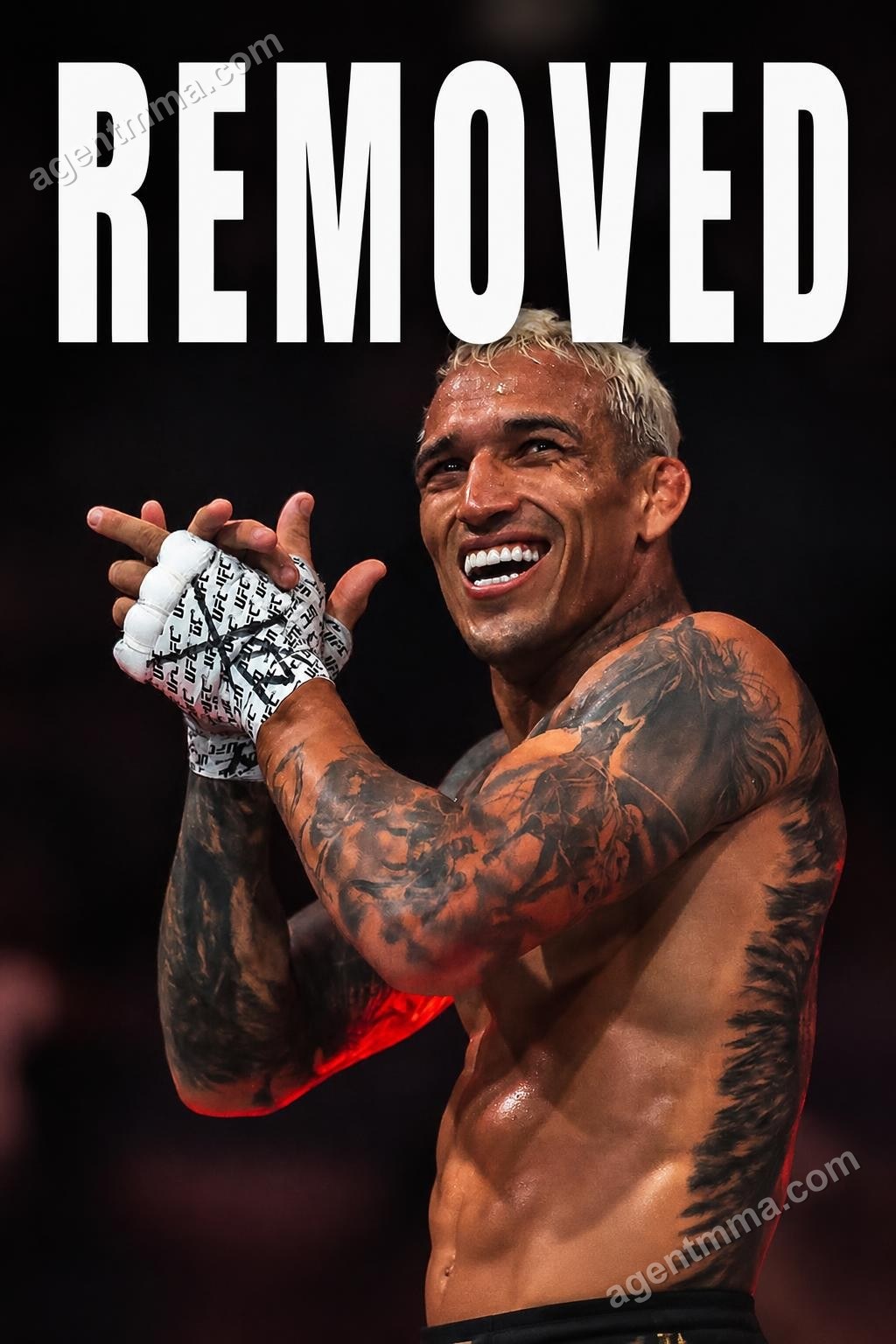

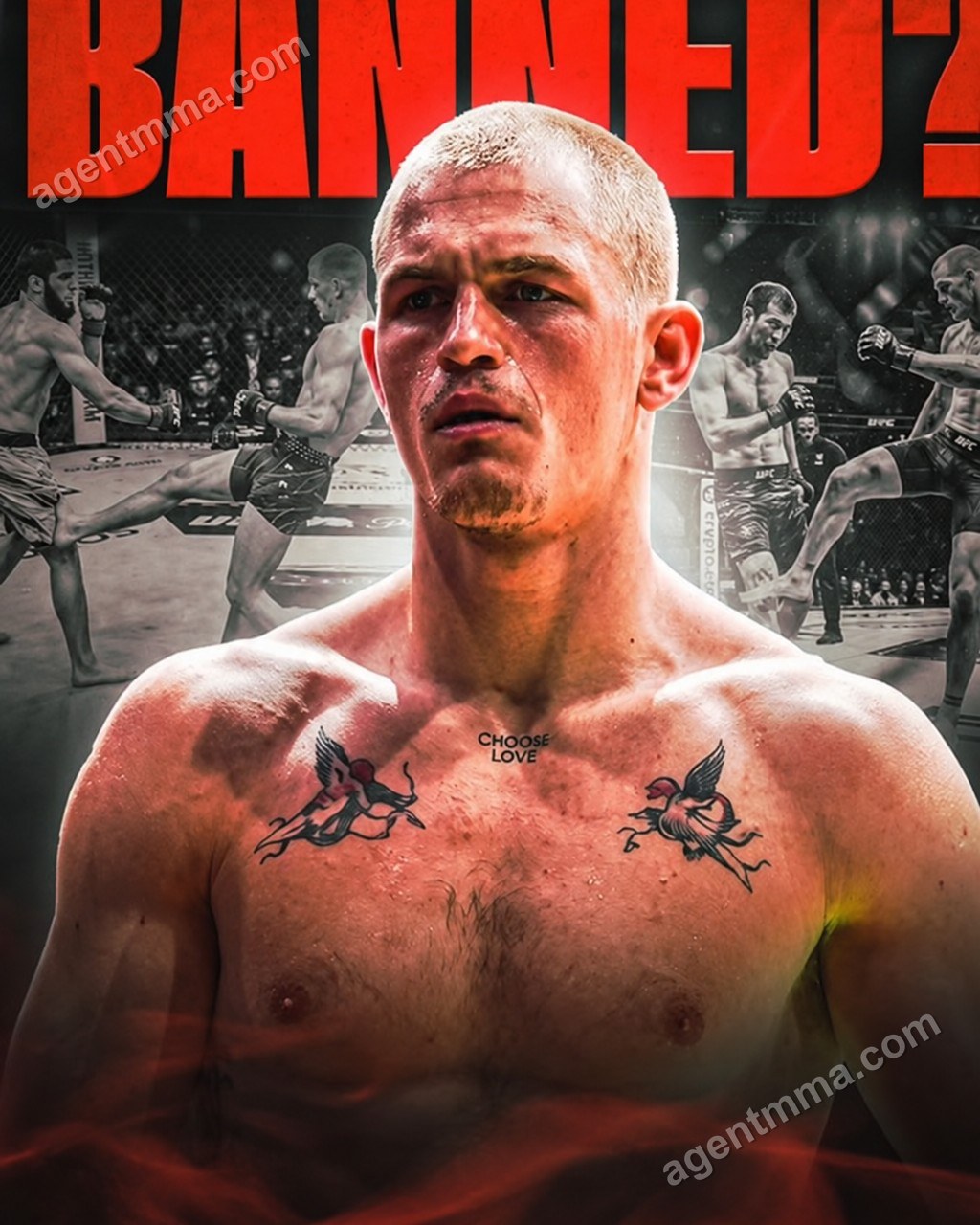
Major rule change discussion incoming for MMA? CSAC Executive Director Andy Foster is pushing to BAN oblique kicks to the knee under the Unified Rules of MMA going forward. Foster brought up the proposed ban during a commission debrief following UFC 331, citing the high risk of catastrophic, career-threatening injuries that strikes targeting the knee joint can cause. The debate around knee stomps has surged again among fighters and officials, especially after high-profile knee trauma like Shavkat Rakhmonov suffered against Ian Garry.
The California State Athletic Commission is pushing for a significant overhaul of MMA's rulebook, with CSAC Executive Director Andy Foster advocating for a ban on oblique kicks targeting the knee joint under the Unified Rules of MMA.
Foster raised the proposed prohibition during a commission debrief following UFC 331, pointing to the severe and potentially career-ending damage that strikes directed at the knee can inflict. The move signals growing institutional momentum behind a debate that has simmered in combat sports for years.
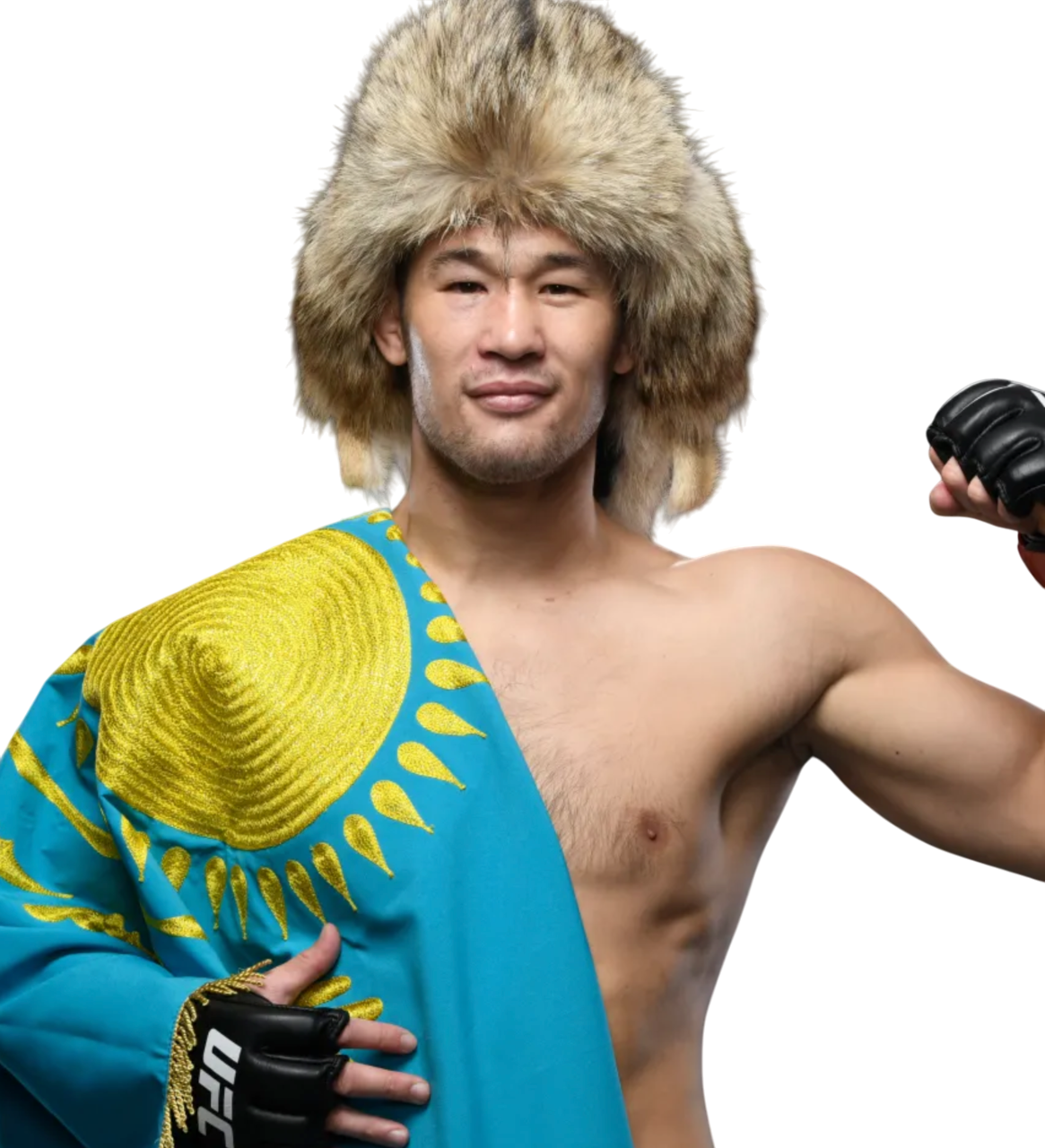
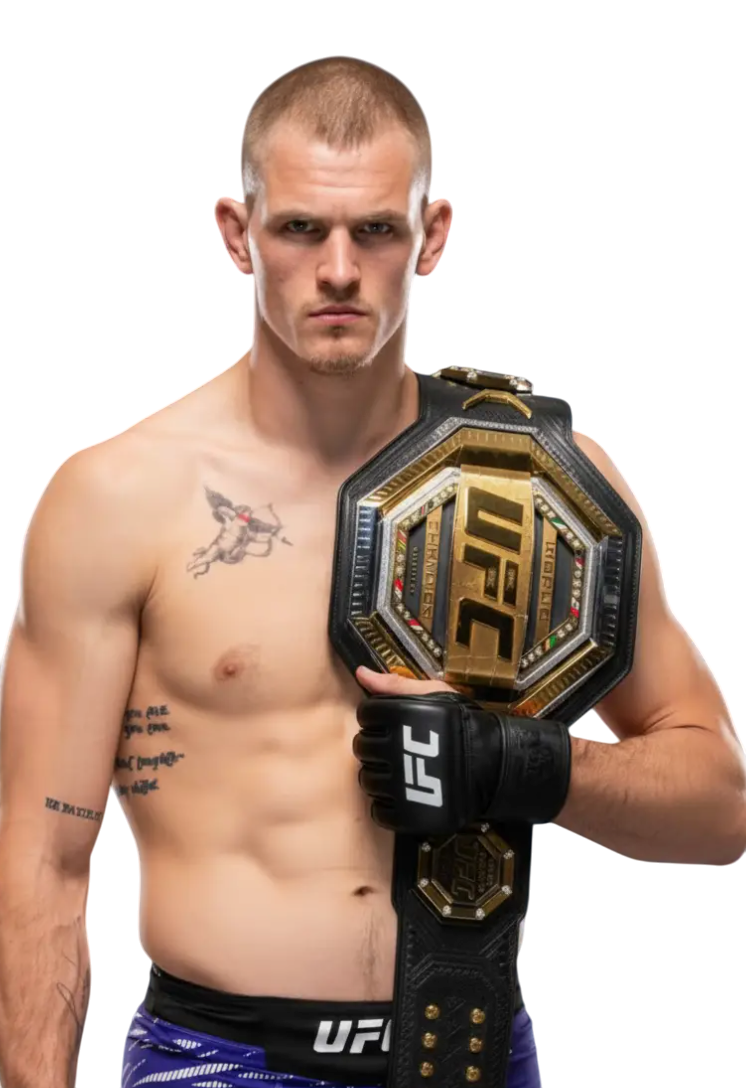
The conversation has gained renewed urgency in recent months, fueled in part by high-profile knee trauma sustained in competition. A notable example cited in discussions is the injury Shavkat Rakhmonov suffered in his bout against Ian Garry. Rakhmonov, the undefeated Kazakhstani welterweight known as "Nomad," carries a flawless 19-0-0 record and is regarded as one of the most dangerous fighters in the division. The six-foot-four, 193-centimeter orthodox striker lands 3.25 significant strikes per minute at a 60 percent accuracy rate, making his continued health a subject of considerable interest to the sport. Garry, ranked first in the welterweight division at just 28 years old, owns a 17-2-0 record and averages 4.29 significant strikes per minute, placing him among the busiest volume strikers in the weight class.
Why it matters
- A formal ban would mark one of the most consequential amendments to the Unified Rules in years, affecting fighter strategy across all divisions.
- Oblique kicks are a widely used range-control tool, so a prohibition would force meaningful tactical adjustments throughout the sport.
- The CSAC carries significant regulatory weight; a rule change adopted in California could pressure other state commissions to follow.
- The debate reflects broader fighter-safety concerns that commissions and promotions are increasingly compelled to address publicly.