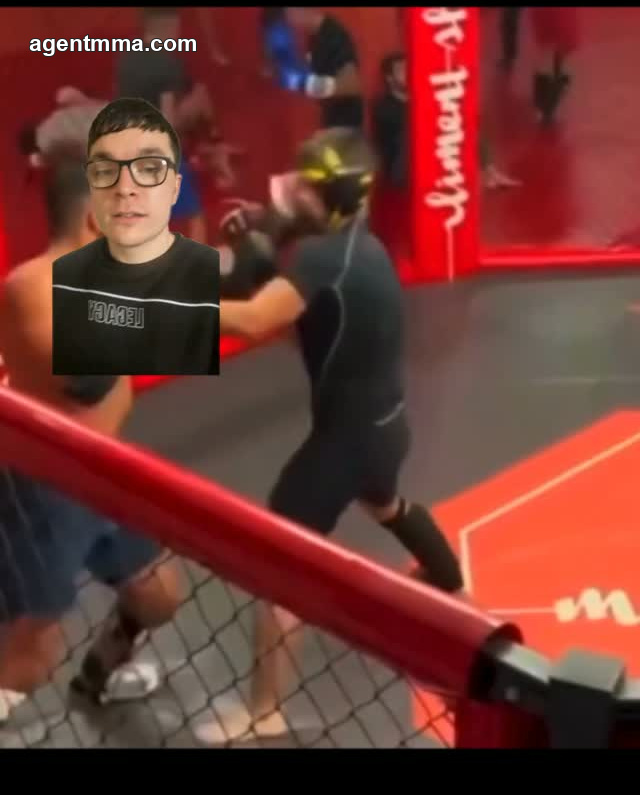

Sparring is one of the most important tools in mixed martial arts, but coaches say it can easily go too far. Research from JAMA Neurology found that years spent sparring, not just competing, is the strongest predictor of dominant brain trauma markers in combat athletes, fueling debate over training intensity. Hard sparring is now recommended by most coaches for only one to two sessions a month during fight camp, with training built around lighter, explosive technical rounds instead. The debate resurfaced in 2026 when UFC champion Alex Pereira posted footage of himself battering a sparring partner so badly that coach Glover Teixeira had to step in and stop the round. Known for relentless intensity and ferocious realism, hard sparring remains one of combat sports' riskiest methods.
Research published in JAMA Neurology has reignited one of combat sports' most persistent debates: how much sparring is too much, and what toll does it take on the brain over time.
The study found that cumulative years spent sparring — not professional competition itself — is the strongest predictor of dominant brain trauma markers in combat athletes. The finding carries significant weight for gyms at every level, where high-volume hard sparring has long been treated as an indispensable part of fight preparation.
Most coaches have begun moving away from that model. The emerging consensus now favors limiting hard, full-contact sparring to one or two sessions per month during fight camp, with the bulk of training built around lighter, technically focused rounds designed to sharpen skills without the same neurological cost. The logic is straightforward: fighters can develop timing, footwork, and offense at reduced intensity without accumulating the repeated head trauma associated with years of heavy sparring.
Why it matters
- Cumulative sparring load, not fight frequency, is identified as the primary driver of brain trauma markers in combat athletes
- The shift toward technical, low-impact rounds represents a significant change in how elite gyms structure training camps
- High-profile incidents keep public attention on the issue, pressuring promotions and coaches to address athlete safety more openly
The conversation returned to the front pages in 2026 when UFC champion Alex Pereira posted footage of a sparring session that grew intense enough for his coach, former light heavyweight champion Glover Teixeira, to intervene and stop the round. Pereira has built a reputation on ferocious, realistic training, and the clip drew both admiration and alarm from corners of the MMA community.
The JAMA Neurology findings give scientific grounding to concerns that many fighters and trainers have long expressed informally. As the sport continues to professionalize, the pressure on gyms to adopt evidence-based training protocols — rather than simply replicating the hardest possible conditions — appears to be growing.