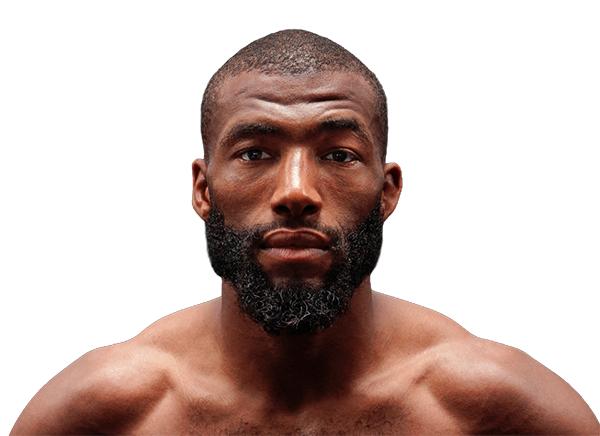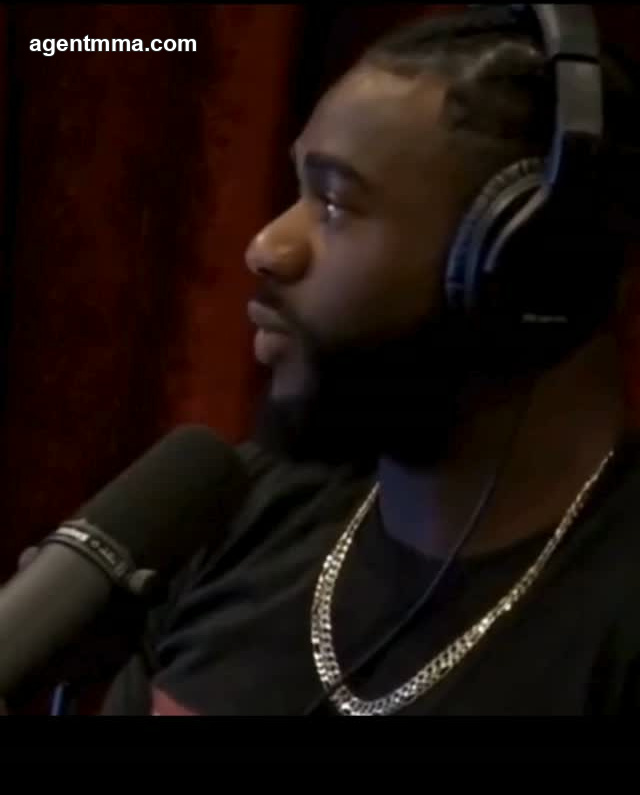

An analysis of Josh Hockit's evolution suggests the fighter has adopted a provocative persona that contrasts with his earlier demeanor. After his MMA debut at Bellator 300 in October 2023, Hockit appeared composed and thanked his coaches, parents, and fans like a "normal guy." As recently as six months ago, he maintained this authentic personality. However, in 2026 Hockit has fully embraced an over-the-top character, providing content for social media clips through antics at weigh-ins and other events. The post notes that while this generates viral content, his January interview with Ariel Helwani was difficult to watch as he maintained the act throughout, suggesting he needs to find better balance in his approach.
A closer look at Josh Hockit's public evolution is raising questions about authenticity, with analysis suggesting the young fighter has gradually replaced a grounded early persona with a deliberately exaggerated character designed for social media attention.
When Hockit made his MMA debut at Bellator 300 in October 2023, the reception was straightforward. He was composed in the aftermath, thanking his coaches, parents, and fans in the manner of a fighter simply grateful for the opportunity. By most accounts, that version of Hockit remained intact as recently as six months ago, with observers describing him as carrying an authentic personality away from the cameras.
The shift appears to have accelerated through 2026. Hockit has leaned into an over-the-top persona, generating clips through weigh-in antics and other public appearances that travel quickly across social platforms. The approach has succeeded in keeping his name circulating online, and that kind of visibility carries real value for a fighter still building a profile.
Why it matters
- Early-career authenticity often shapes long-term fan connection, and walking it back is difficult once a character takes hold
- Viral moments can elevate a fighter's marketability, but they can also undercut credibility if the act feels hollow
- The balance between self-promotion and genuine engagement becomes harder to manage the further a persona drifts from the person
The concern raised in the analysis centers on sustainability. A January 2026 interview with Ariel Helwani, one of the sport's most prominent journalists, was flagged as uncomfortable viewing because Hockit maintained the character without apparent relief throughout. That setting, a long-form conversation built on substance, exposed the limits of the approach in a way that a ten-second weigh-in clip does not.
The underlying point is not that personality or showmanship is wrong in combat sports. It is that the version of Hockit who debuted at Bellator 300 seemed to connect without effort, and that the current version appears to require considerably more.