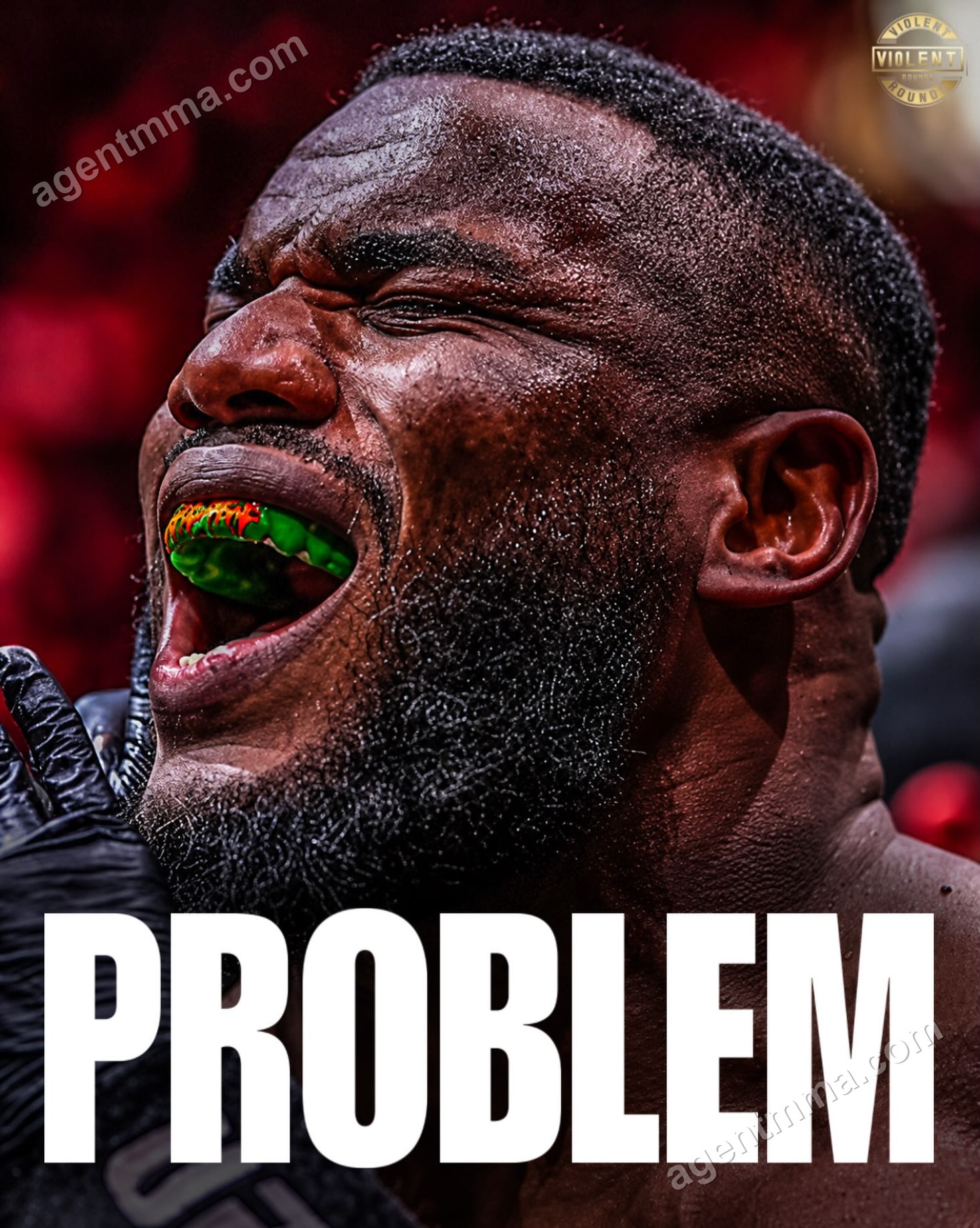

Aaron Pico's physical appearance raised concerns following his weigh-in at 66 kilograms (approximately 145 pounds). The post describes Pico as looking frightening or alarming after making weight. This suggests a difficult weight cut or severe dehydration following the weigh-in process. Pico is a prominent Bellator featherweight prospect known for competing at lower weight classes. The post includes visual content showing his post-weigh-in condition. Weight cutting remains a controversial aspect of combat sports due to health risks.
Aaron Pico drew attention and concern after appearing visibly gaunt at the scale during his weigh-in at 66 kilograms — roughly 145 pounds — on April 11, raising fresh questions about the physical toll of his weight cut.
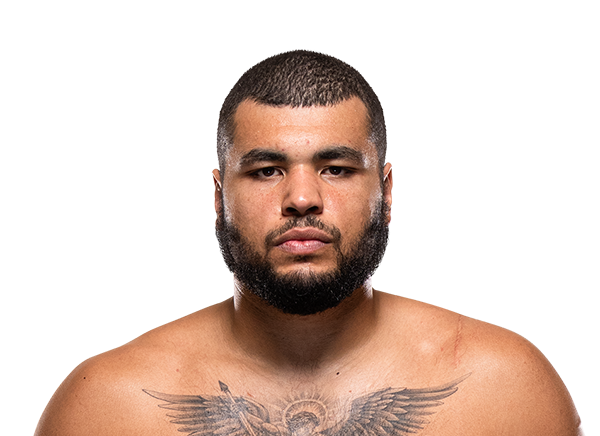
Pico, 29, is a featherweight competitor out of Jackson-Wink MMA in the United States who carries a 14-5 professional record. Standing 173 centimeters tall with a 178-centimeter reach, he is not a particularly large man for the weight class, making the severity of his post-weigh-in appearance all the more striking to observers. His fighting style leans heavily on the offensive, averaging 3.88 significant strikes landed per minute at 44 percent accuracy, while his grappling work is a genuine weapon — he averages an impressive 8.96 takedowns per 15 minutes, underscoring an all-around skill set built through years at one of MMA's most respected training camps.

Visual content circulating after the weigh-in depicted Pico in a condition that many described as alarming, consistent with the kind of severe dehydration that can follow an aggressive weight cut in the final hours before a fighter steps on the scale.
Why it matters
- Weight cutting at the extreme levels seen in combat sports carries documented health risks, including cardiac stress and neurological impact
- Pico's appearance reignites debate about whether 66 kilograms is the appropriate long-term division for a fighter of his frame
- His status as one of the more recognizable names in Bellator's featherweight division means heightened scrutiny on how the promotion monitors athlete welfare around weigh-ins
- Repeated difficult cuts over a career can erode both performance and long-term health, a concern for any fighter still in his athletic prime at 29