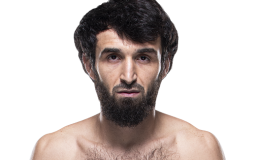
Former UFC light heavyweight champion Jiri Prochazka has shared details about an intense solo retreat he completed in the mountains. The Czech fighter spent 10 days in complete isolation, focusing on training and self-reflection. Prochazka explained that he brought some items with him while leaving others behind, emphasizing the survival aspect of the experience. He described the journey as a way to be alone with himself and test his limits. The retreat aligns with Prochazka's known unconventional training methods and philosophical approach to martial arts.
Jiri Prochazka has revealed he undertook a grueling 10-day solo retreat in the mountains, offering a rare glimpse into the extreme methods the Czech fighter uses to prepare himself mentally and physically for competition.
Prochazka described the experience as a test of personal limits, spending the entire period in complete isolation. He brought select items with him while deliberately leaving others behind, leaning into the survival nature of the challenge. The former champion framed the journey as an opportunity to be alone with himself and engage in deep self-reflection — a philosophy that has long defined his approach to martial arts.

The 33-year-old ranks second in the UFC light heavyweight division and carries a professional record of 32-6-1. Standing six-foot-three with an 80-inch reach, Prochazka is one of the most physically imposing fighters in the 205-pound ranks and among its most dangerous strikers, landing 5.69 significant strikes per minute at a 55 percent accuracy rate. He trains out of Jetsaam Gym Brno in his home country.
Why it matters
- Prochazka's unconventional methods — meditation, wilderness survival, solo training — are a core part of his identity as a fighter and help explain his explosive, unpredictable style inside the octagon.
- As the number-two ranked light heavyweight, any edge he sharpens in preparation carries direct implications for the division's title picture.
- The retreat underscores a mental and philosophical dimension to his training that sets him apart from more traditional combat sports athletes.