Analysis of Josh Hockit's split decision victory over Curtis Blaydes at UFC 327 suggests the Australian could fight more intelligently but maintains his brawling persona. While Hockit's reckless style worked against Blaydes, the piece warns that such an approach against elite strikers like Alex Pereira or Sergei Pavlovich would likely result in a knockout loss. However, positive notes include Hockit's increasing punching power even into the third round of an exhausting fight, his improved use of elbows, and his excellent takedown defense against Blaydes' wrestling attempts, all credited to his work at Jackson-Wink MMA. The analysis notes that Hockit's rebellious behavior perfectly aligns with Donald Trump and Dana White's preferences, especially given his middle-finger gestures in the cage with Trump watching from the front row. For his upcoming fight with Derrick Lewis at the White House event, concerns are raised that Lewis may prioritize money and avoiding damage over actually trying to win.
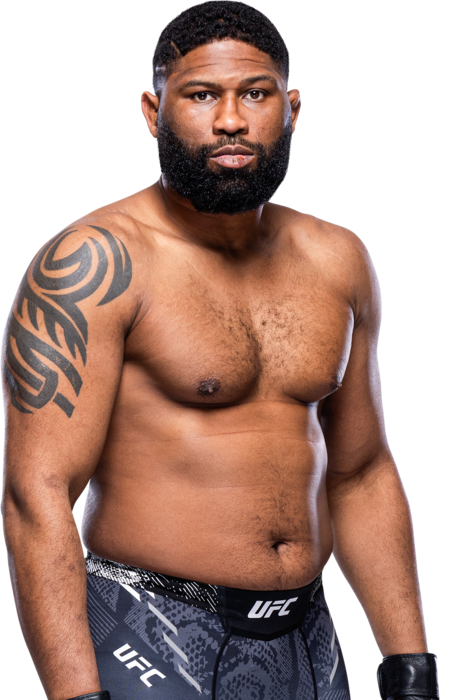
A split decision win over Curtis Blaydes at UFC 327 on April 11 has put Australian heavyweight Josh Hockit firmly in the divisional conversation, but a closer look at his performance raises questions about how far his brawling approach can take him against the division's most dangerous strikers.
Hockit's victory over Blaydes was notable for several reasons. His punching power held up through a grueling third round, his elbow work showed marked improvement, and his takedown defense — widely attributed to his training at Jackson-Wink MMA — repeatedly neutralized Blaydes' wrestling. The concern, according to the analysis, is that Hockit's fundamentally reckless style works against opponents who can be drawn into a firefight, but risks catastrophic exposure against elite strikers.

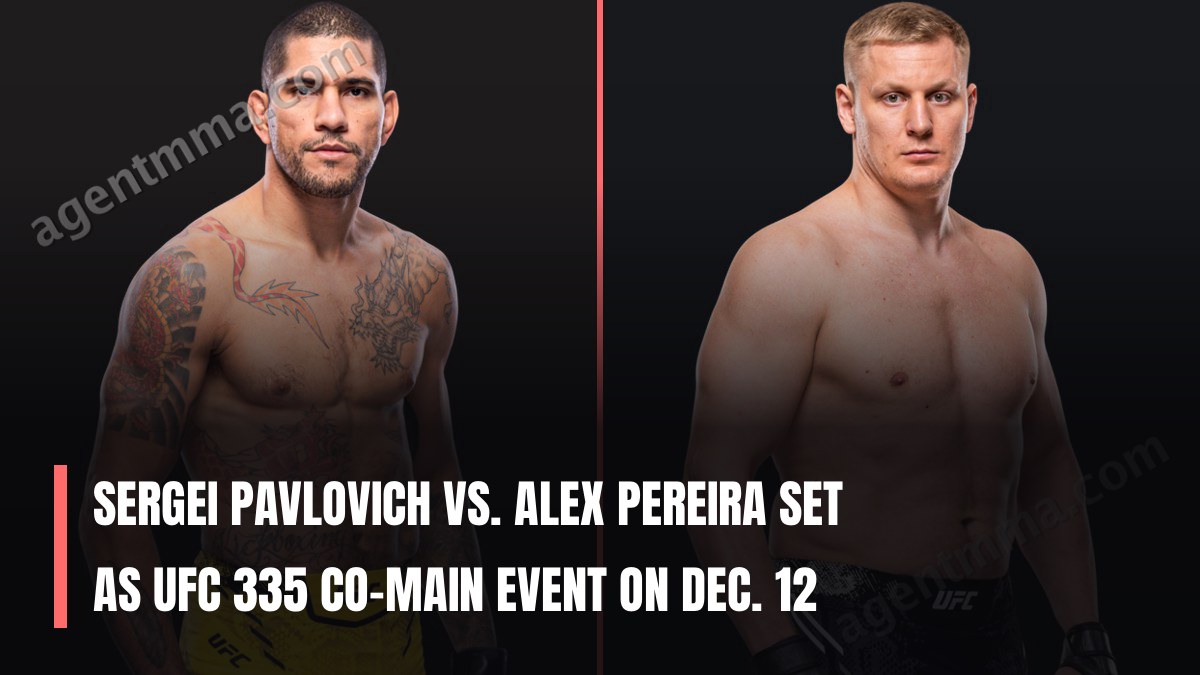
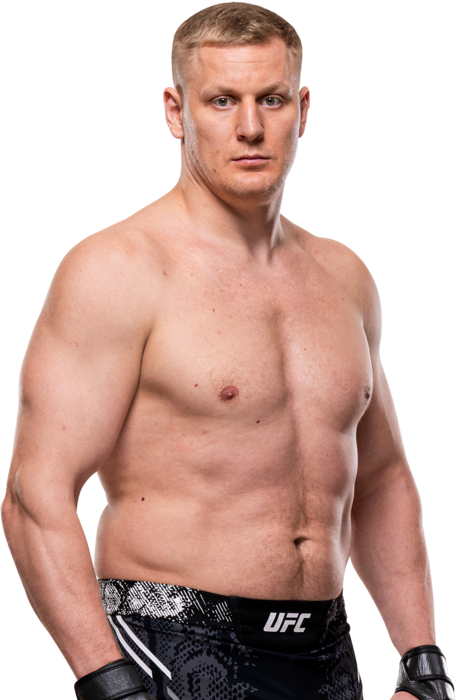
Light heavyweight champion Alex Pereira, who holds a 13-4 record and lands an extraordinary 5.16 significant strikes per minute at 62 percent accuracy, represents exactly that kind of threat. At 38 years old and standing six-foot-four with a 79-inch reach, Pereira punishes fighters who trade carelessly. Sergei Pavlovich, ranked third in the heavyweight division at 20-3, is equally dangerous from the southpaw stance, connecting at 4.43 significant strikes per minute from a six-foot-three frame with a massive 84-inch reach.
The analysis also notes that Hockit's cage behavior — including middle-finger gestures delivered while Donald Trump watched from the front row — fits neatly into the current promotional climate around the UFC.
Why it matters
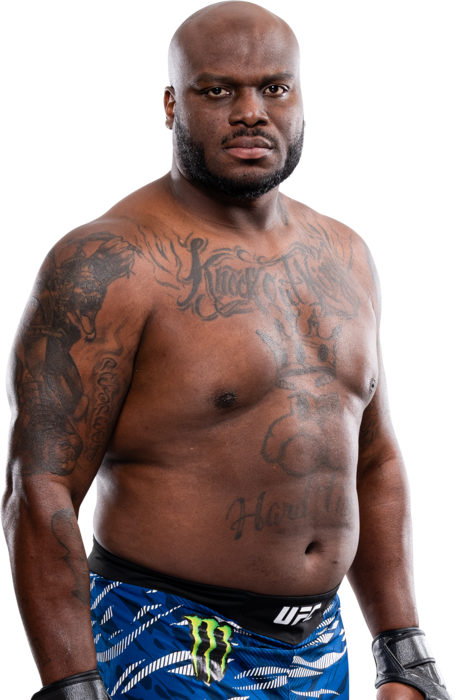
- Hockit's next scheduled opponent is Derrick Lewis, ranked eighth at heavyweight with a 29-14 record, at an upcoming White House event
- The analysis flags concerns that Lewis, 41, may prioritize protecting himself over competing aggressively
- Hockit's improved wrestling defense and sustained power are genuine positives, but his style leaves him vulnerable against elite strikers with the accuracy and volume of Pereira or Pavlovich
Alex Pereira vs Sergei Pavlovich
See the AI pick, live odds and the full matchup breakdown
Saturday, April 11, 2026