
The UFC has decided not to hold a face-off between Khamzat Chimaev and Sean Strickland at the press conference. The promotion is reportedly concerned about potential disorder and has chosen to increase security measures instead. This decision suggests the UFC anticipates heightened tensions between the two fighters. The post does not provide details on when or where this press conference was scheduled to take place. The cancellation indicates the promotion is taking precautionary steps to avoid potential confrontations.
The UFC has scrapped a planned face-off between middleweight champion Sean Strickland and top contender Khamzat Chimaev at their press conference, with the promotion opting to bolster security arrangements instead of staging the customary pre-fight staredown.
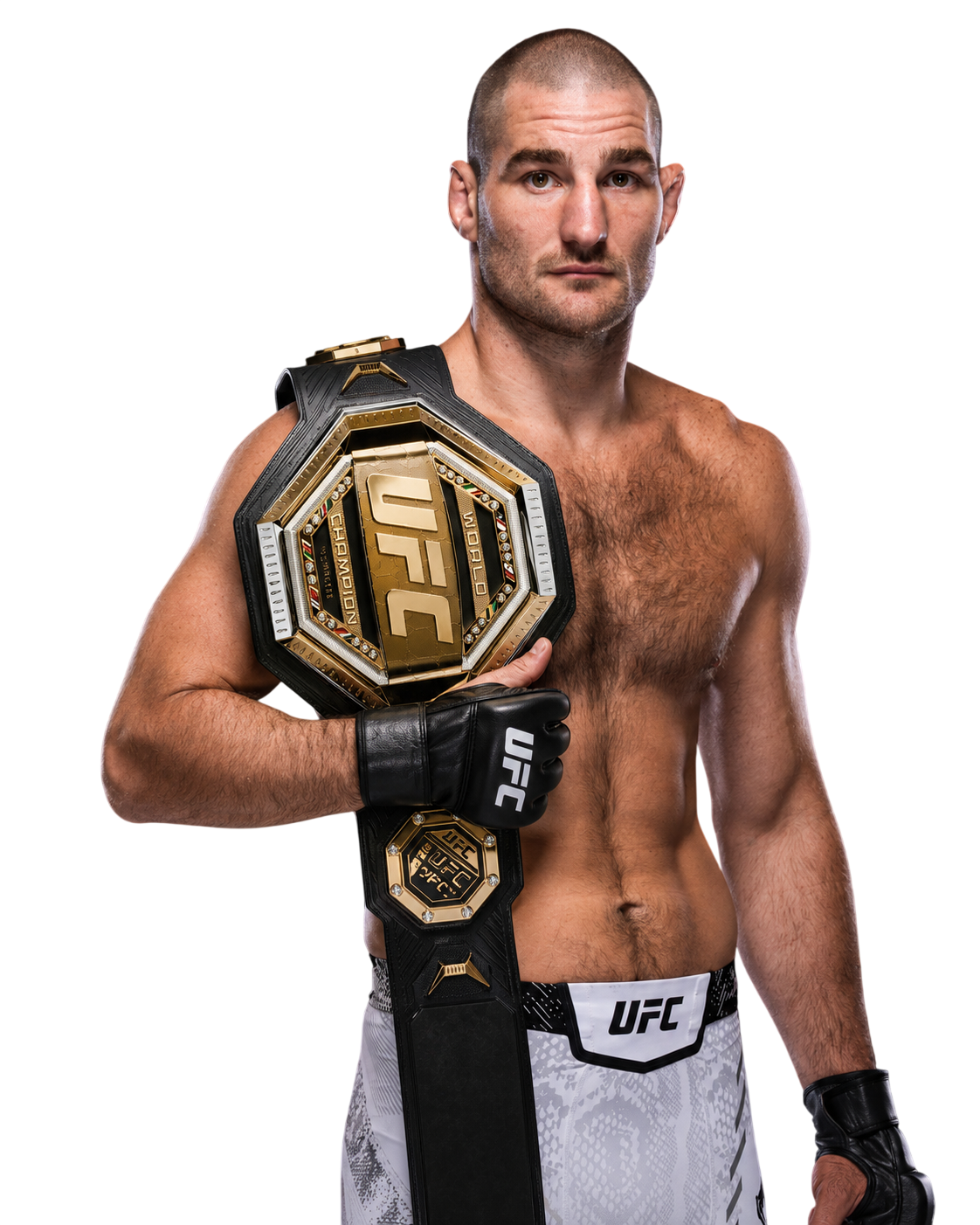
Strickland, known as "Tarzan," holds the UFC middleweight title and carries a record of 31-7-0. The 35-year-old American, who trains out of Xtreme Couture, stands six-foot-one with a 76-inch reach and is one of the most active strikers in the division, landing 6.04 significant strikes per minute. His output is relentless, though his striking accuracy sits at 42 percent.
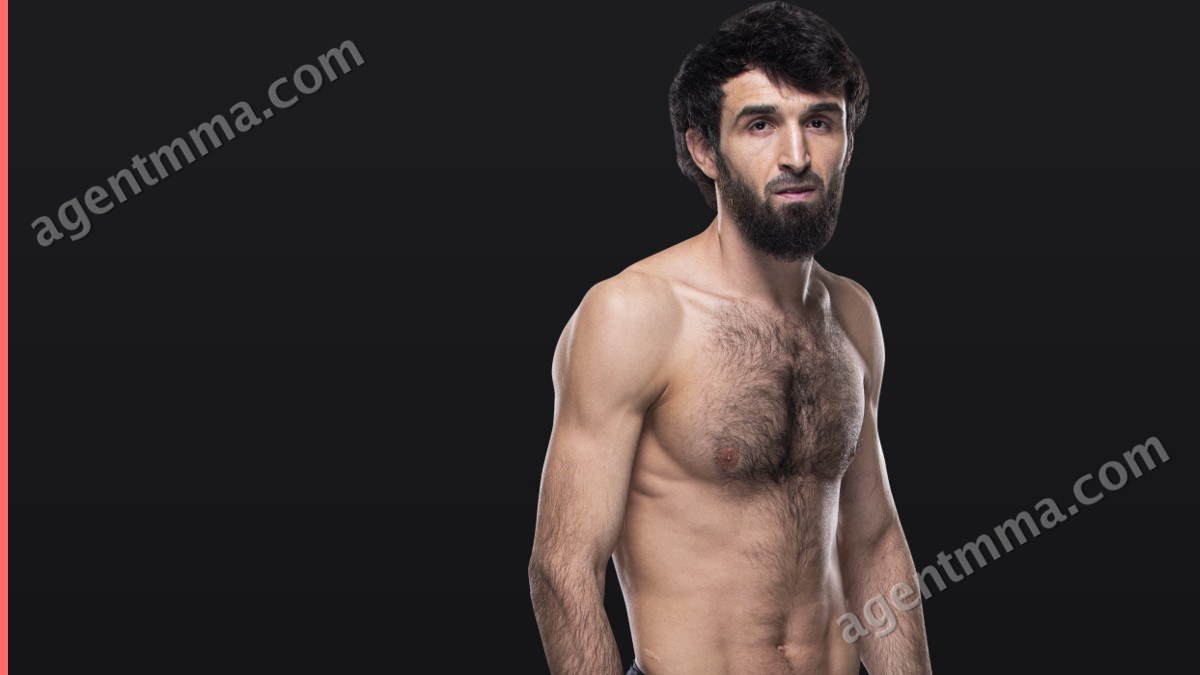
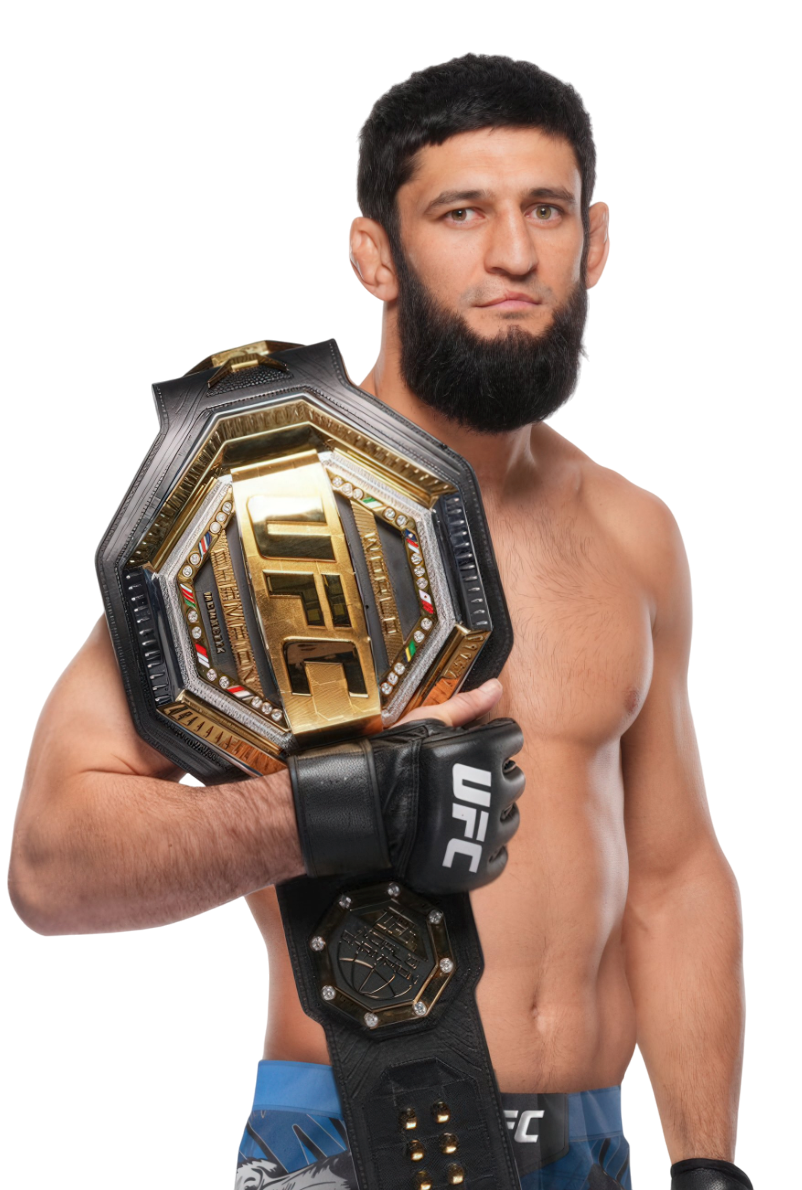
Chimaev, nicknamed "Borz," enters the picture ranked first in the middleweight division and tenth pound-for-pound. The 32-year-old, representing the United Arab Emirates and training at Allstars Training Center, is 15-1-0 and brings an elite wrestling-based game to every fight. He lands 5.29 takedowns per 15 minutes and attempts 1.8 submissions in the same span, while posting a striking accuracy of 60 percent — among the highest in the sport.
Why it matters
- The UFC's decision to cancel the face-off signals genuine concern about the potential for a physical altercation before fight night
- Strickland's title is directly on the line against the division's top-ranked challenger, giving this matchup maximum divisional weight
- The style contrast is sharp: Chimaev's suffocating wrestling threatens to neutralize Strickland's high-volume striking output
- Heightened security measures suggest the promotion is treating the tension between the two as a credible risk rather than promotional theatre