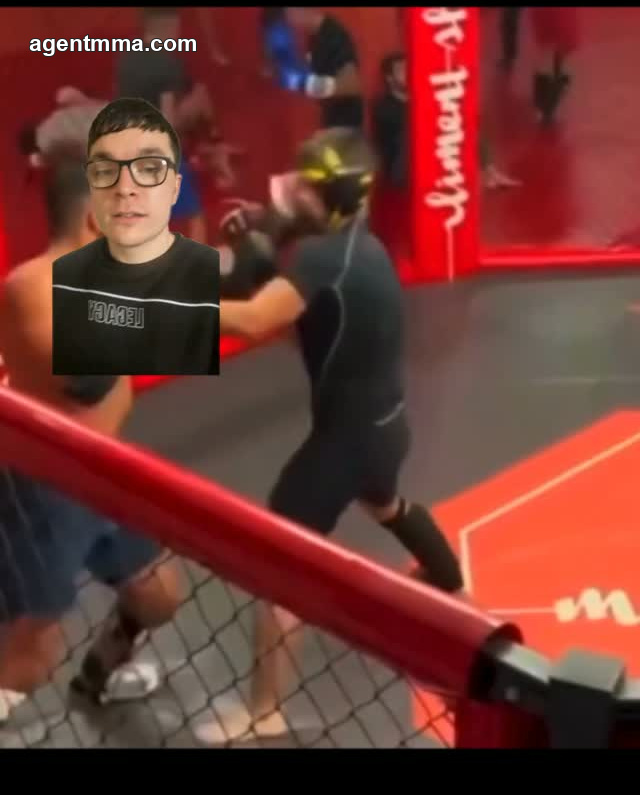

An analysis of Jiri Prochazka's loss to Carlos Ulberg questions whether mercy was truly a factor, citing a quote from Prochazka's favorite book, Miyamoto Musashi's 'Book of Five Rings,' which emphasizes killing the opponent without hesitation. The analyst believes Prochazka lost concentration, relaxed, saw Ulberg as an easy target, and irresponsibly went for a finish, paying the price for his mistake. The assessment suggests the issue was not mercy but low fight IQ, noting that Prochazka has never fought smartly and his fighting philosophy led to his downfall. The post concludes that Prochazka lacked the skill to finish a one-legged opponent. A poll asks whether readers agree with this assessment or believe Prochazka genuinely showed mercy.
A post-fight analysis circulating online is challenging Jiri Prochazka's assertion that mercy played a role in his loss to Carlos Ulberg, arguing instead that poor fight IQ was the true culprit.
Prochazka, the 33-year-old Czech standout ranked second in the UFC light heavyweight division, carries a record of 32-6-1 into the aftermath of the defeat. Fighting out of Jetsaam Gym Brno, he stands six-foot-three with an extraordinary 80-inch reach and averages 5.69 significant strikes per minute at 55 percent accuracy — numbers that reflect his relentless, offense-first approach to every fight.

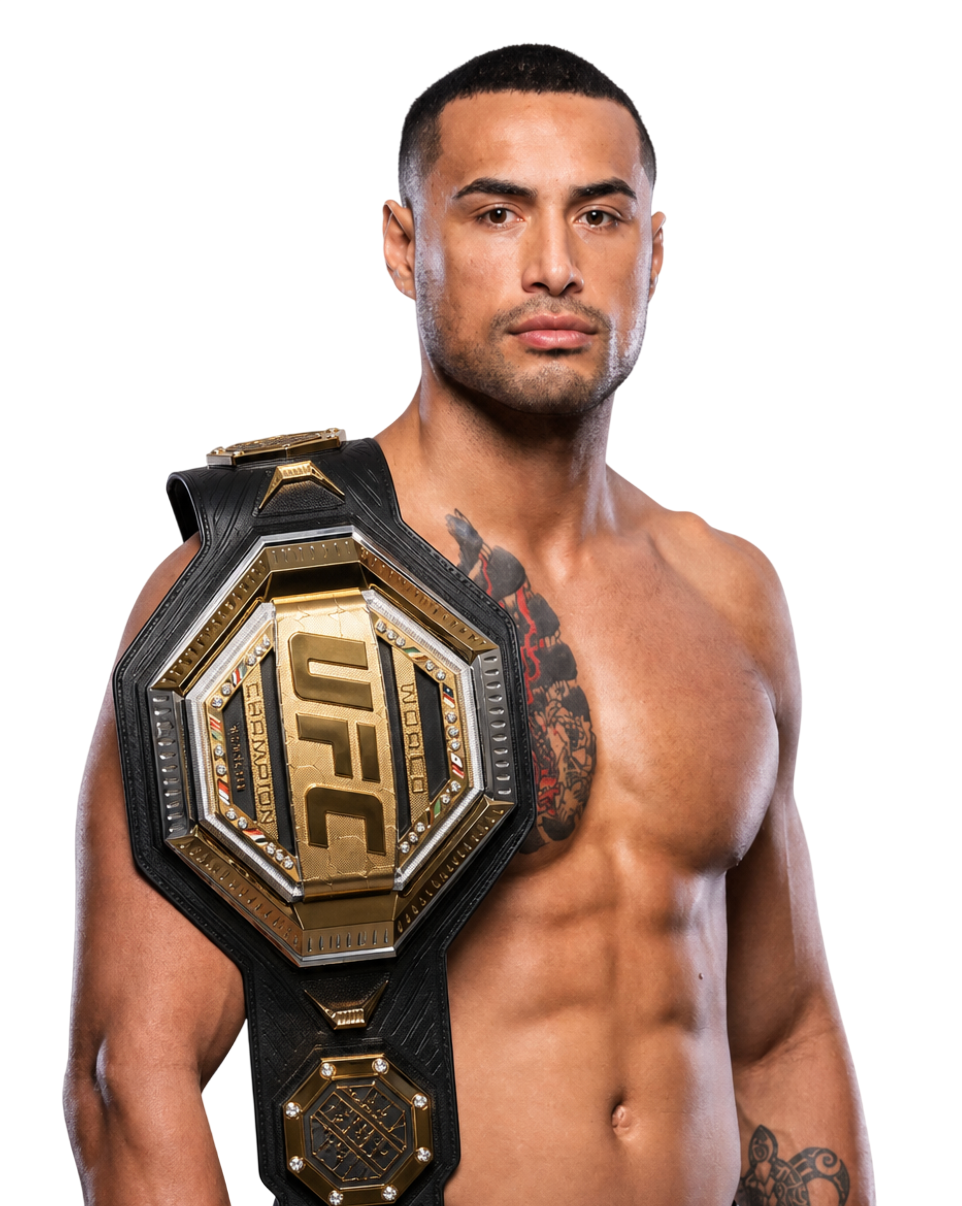
Ulberg, nicknamed "Black Jag," is ranked third in the same division and improved his record to 15-1-0. The New Zealand-based City Kickboxing product is 35 years old, stands six-foot-four, and actually outpaces Prochazka in output, landing 6.54 significant strikes per minute at an identical 55 percent accuracy rate.
The analyst takes direct aim at Prochazka's post-fight framing by invoking the Czech fighter's own stated influence: Miyamoto Musashi's Book of Five Rings, a text that explicitly calls for eliminating an opponent without hesitation. Rather than mercy, the assessment contends Prochazka lost focus, underestimated a compromised Ulberg, and lunged recklessly for a finish he lacked the precision to secure. The conclusion is pointed — that Prochazka has never been a strategically disciplined fighter, and that his freewheel philosophy finally cost him when it mattered most.
Why it matters
- The result reshuffles the top of a crowded light heavyweight division, with both men sitting inside the top three
- Prochazka's fighting style has long drawn debate; this analysis adds a sharper critical lens to that conversation
- The exchange highlights how a fighter's public persona and stated philosophy can be turned against their own post-fight narrative