
Conor McGregor has paid compensation to Artem Lobov following a legal dispute over the Proper Twelve whiskey brand. Lobov had filed a lawsuit claiming he was owed money for his help in creating the whiskey. Media reports indicated McGregor earned over $100 million from selling his shares in the brand. Both McGregor and Lobov declined to disclose the exact amount of compensation paid. Lobov had previously claimed he was the one who originally conceived the idea for the whiskey venture.
Conor McGregor has reached a financial settlement with longtime teammate Artem Lobov, paying an undisclosed sum in compensation following a legal dispute centered on the Proper Twelve Irish whiskey brand, with the resolution reported on April 16, 2026.
Lobov had filed a lawsuit against McGregor alleging he was owed money for his role in the creation of Proper Twelve, going as far as claiming he was the original architect of the venture. The exact compensation figure was not disclosed by either party. Media reports had previously indicated that McGregor earned in excess of $100 million when he sold his shares in the brand, providing the backdrop for Lobov's claim that he deserved a portion of those proceeds.
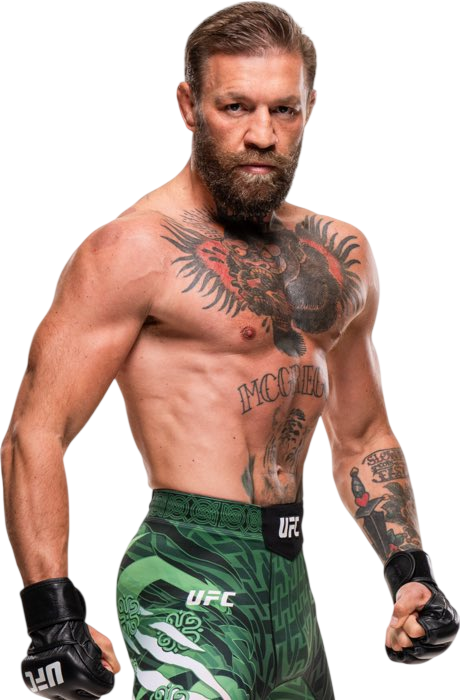
McGregor, 37, is one of the most recognizable figures in combat sports history. The Dubliner carries a professional MMA record of 22 wins and 6 losses, competing out of SBG Ireland as a southpaw. He stands five-foot-nine with a 74-inch reach and has posted a significant strike rate of 5.32 per minute across his career, landing at a 49 percent accuracy clip.
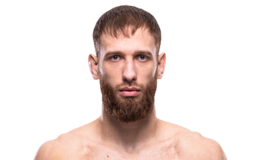
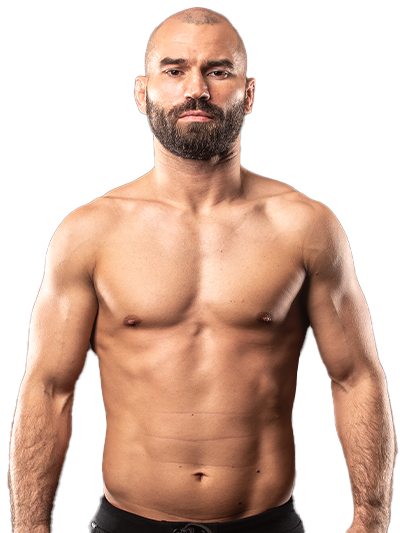
Lobov, also 39 and Irish-based, is a fellow SBG Ireland southpaw with a professional record of 13-15-1. He stands five-foot-nine with a 65-inch reach and has averaged 3.52 significant strikes per minute in his career at 41 percent accuracy. The two fighters have shared years of training and a close personal bond, making the legal confrontation between them a notably public fracture in what had been a well-documented friendship.
Why it matters
- The settlement closes a legal chapter that cast a shadow over one of MMA's most lucrative business ventures.
- Lobov's claim that he conceived the whiskey idea raises broader questions about how fighters and their teams share in commercial opportunities.
- Both men declined to reveal terms, leaving the financial scope of the resolution unclear.