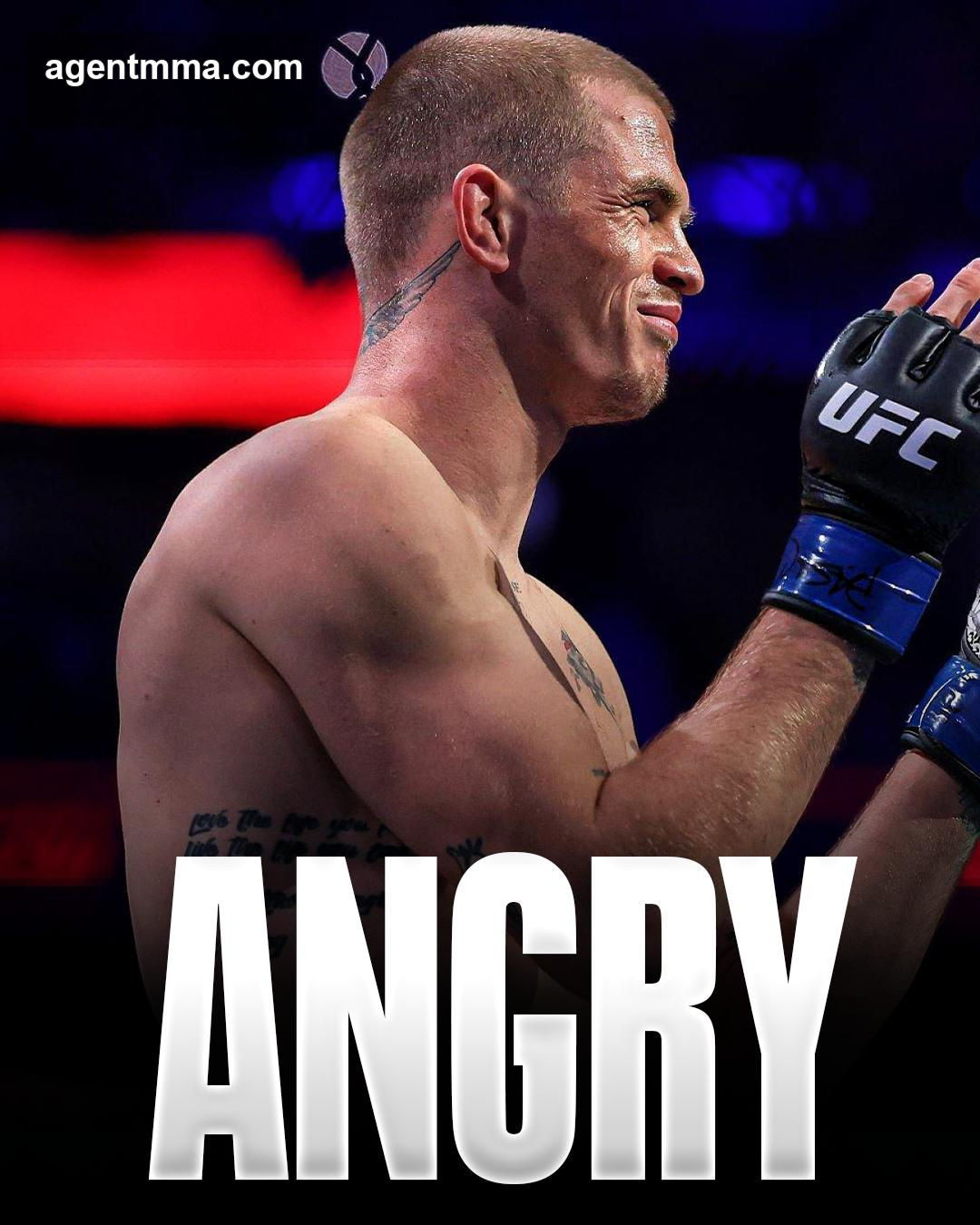

Curtis Blaydes expressed respect for opponent Josh Haukito despite disliking his pre-fight antics and personality. Blaydes stated it would be insincere and hypocritical to call Haukito names after their fight. He acknowledged that while he doesn't enjoy Haukito's personality or gimmicks, he must respect him as a fighter inside the octagon. Blaydes questioned how he could not respect someone who just competed against him. The heavyweight contender's comments reflect a mature perspective on separating personal dislike from professional respect.
Curtis Blaydes has offered a measured take on his opponent Jailton Almeida following their heavyweight bout, saying he holds genuine respect for the Brazilian despite having little time for his pre-fight behavior.
Blaydes, known as "Razor," said it would be insincere and hypocritical to speak negatively about Almeida after the two men competed against each other. While he made clear he does not enjoy Almeida's personality or gimmicks, he drew a firm line between personal feelings and professional respect inside the octagon. He questioned how anyone could fail to respect a fighter they had just stood across from and competed against.

The 35-year-old American trains out of Elevation Fight Team and carries a professional record of 19-6. Ranked fourth in the UFC heavyweight division, Blaydes has long been one of the most technically accomplished big men in the sport. Standing six-foot-four with an 80-inch reach, he is a volume striker who lands 3.56 significant strikes per minute at a 50 percent accuracy rate. His wrestling credentials are equally formidable, with an elite 5.38 takedowns per 15 minutes — a figure that has defined his style throughout his UFC career.
Why it matters
- Blaydes sits at number four in the heavyweight rankings, meaning results in fights at this level carry direct title-picture implications
- His willingness to separate personal dislike from professional acknowledgment reflects a measured mindset that often defines experienced contenders
- The comments suggest the rivalry, whatever its tone beforehand, ended with at least one competitor choosing to frame it with composure