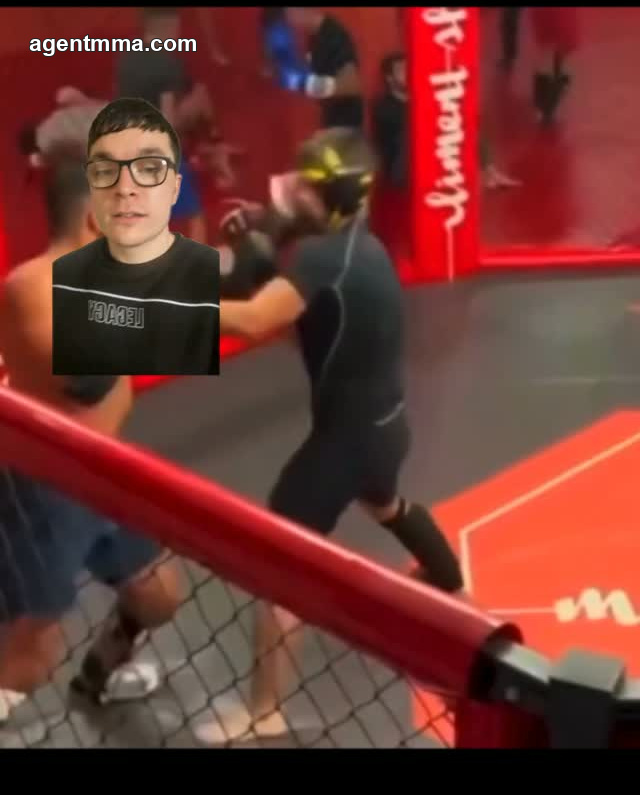

Mark Vologdin discussed the emotions from his UFC debut and his decision to drop his hands during the third round, which led to him absorbing more strikes. When asked why he kept his guard low despite warnings from his corner, Vologdin said he was fighting on instinct and believed his opponent could not hurt him even with lowered hands. He acknowledged it was foolish but stated he does not care about criticism regarding technique or leaving his health on the line. Vologdin emphasized that he chose this path himself and simply enjoyed the experience of his debut. He seemed unbothered by commentary on his performance level or technical execution.
Mark Vologdin has opened up about a tactical decision that raised eyebrows during his UFC debut, admitting he dropped his hands in the third round despite repeated warnings from his corner.
The 26-year-old orthodox striker, who stands at five-foot-three with a 65-inch reach, carries a professional record of 12-4-2 into the early stage of his UFC career. Vologdin is a high-volume puncher, landing 7.8 significant strikes per minute at a 52 percent accuracy rate, numbers that reflect an aggressive, forward-pressing style. His game is built almost entirely on striking, with no recorded takedown or submission activity in his career stats.

In a post-fight interview, Vologdin addressed why he ignored his corner's instructions and continued to fight with a lowered guard, explaining that he was operating on instinct and genuinely believed his opponent lacked the power to punish him for it. He called the choice foolish in hindsight but made clear he has little interest in outside criticism of his technique or the risks he takes with his health. Vologdin framed the entire experience as something he chose for himself and walked away from it with a sense of enjoyment rather than regret.
Why it matters
- Vologdin's willingness to absorb punishment rather than adjust mid-fight raises durability questions as he moves deeper into UFC competition
- His high striking output makes him an entertaining prospect, but the lowered-guard habit could be exploited by more powerful opponents at this level
- His dismissal of corner guidance mid-fight suggests a stubborn in-ring mentality that may need addressing as the quality of opposition increases