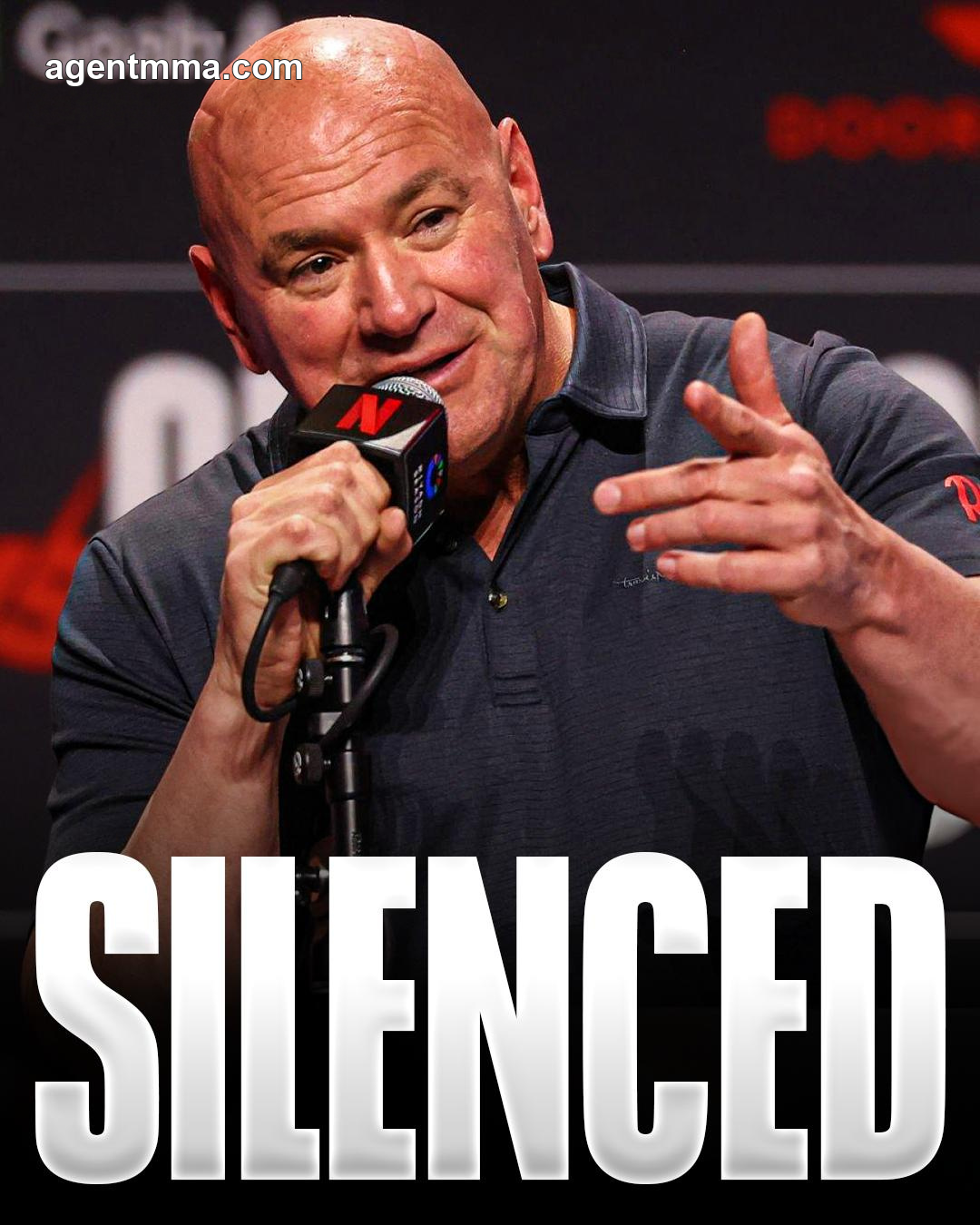

Georges St-Pierre shared his philosophy on how fighters should retire from competition, stating that fighters leave the sport too late and should beat the game rather than let it beat them. GSP rejected the notion of "passing the torch," saying fighters should take it with them instead. He emphasized the importance of separating one's identity as a fighter from one's personal identity, comparing it to Batman and Bruce Wayne. GSP stressed that fighting was what he did, not who he is as a person. His comments offer insight into how one of MMA's greatest champions approached the end of his own career.
Georges St-Pierre has opened up about his philosophy on retirement, arguing that fighters consistently wait too long to walk away from the sport and should leave on their own terms rather than be forced out by the game itself.
St-Pierre, widely regarded as one of the greatest mixed martial artists of all time, made clear he rejects the traditional idea of a champion "passing the torch" to the next generation. In his view, a fighter earns that torch and should take it with them when they go. It is a notably unsentimental position, but one shaped by hard-won experience at the highest level of competition.
The Canadian welterweight legend, now 45, compiled a 26-2-0 record across a career that defined an era at 170 pounds. Training out of Tristar Gym in Montreal, St-Pierre was a relentless and well-rounded competitor, averaging 3.78 significant strikes landed per minute at 53 percent accuracy while also generating 4.16 takedowns per 15 minutes — numbers that reflect how completely he controlled fights both standing and on the mat.

Central to his remarks was the idea that fighters must learn to separate their professional identity from their personal one. He framed it through the analogy of Batman and Bruce Wayne — the costume comes off, and the person underneath remains whole. Fighting, he stressed, was something he did, not something he was.
Why it matters
- St-Pierre's perspective challenges the culture of fighters competing well past their prime, a pattern common across combat sports
- His distinction between athletic identity and personal identity has broader implications for how athletes in all sports approach life after competition
- Coming from a fighter with his record and longevity, the commentary carries particular weight for current champions considering when to step away