
UFC legend Georges St-Pierre shared his philosophy on when fighters should retire from competition. GSP stated that fighters retire too late and should "beat the game" rather than let the game beat them. He emphasized that fighting was what he did, not who he is, comparing it to Batman and Bruce Wayne knowing the difference between identities. St-Pierre's comments reflect his own successful exit from the sport while still competitive. His perspective offers insight into the mental approach needed for a successful transition out of fighting.
Georges St-Pierre has offered a candid perspective on one of combat sports' most persistent problems — fighters staying too long — making the case that competitors should exit the sport on their own terms before the sport forces its terms on them.
The Montreal native, widely regarded as one of the greatest mixed martial artists of all time, stated that fighters tend to retire too late and should "beat the game" rather than let the game beat them. He drew a vivid analogy to illustrate the mental separation required, comparing a fighter's relationship with their career to Batman and Bruce Wayne understanding the difference between their two identities. The point being that fighting is something a competitor does, not the entirety of who they are.

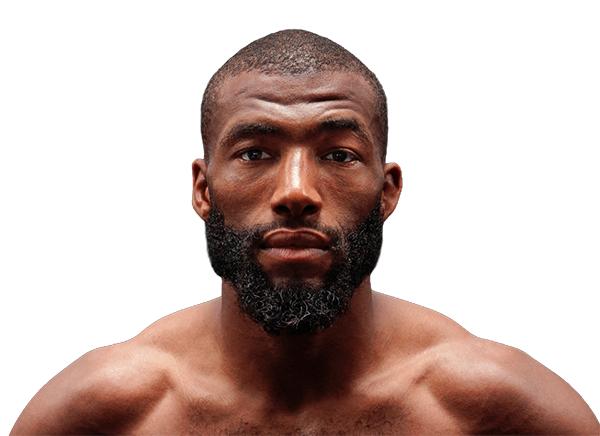
St-Pierre speaks from a position of credibility on the subject. The 45-year-old Canadian walked away from the sport with a 26-2 record and still considered competitive by most measures of the sport. Fighting out of Tristar Gym in Montreal with an orthodox stance, he stood five-foot-eleven with a 76-inch reach and built his legacy on a remarkably complete skill set — averaging 4.16 takedowns per 15 minutes across his career while landing significant strikes at a 53 percent accuracy rate and posting 3.78 significant strikes per minute.
Why it matters
- St-Pierre's comments address a challenge that ends careers badly for a significant number of elite fighters
- His own departure from competition lends the perspective credibility that purely theoretical commentary would lack
- The remarks touch on the psychological dimension of athletic identity, a factor that often delays retirement decisions even when physical decline is evident