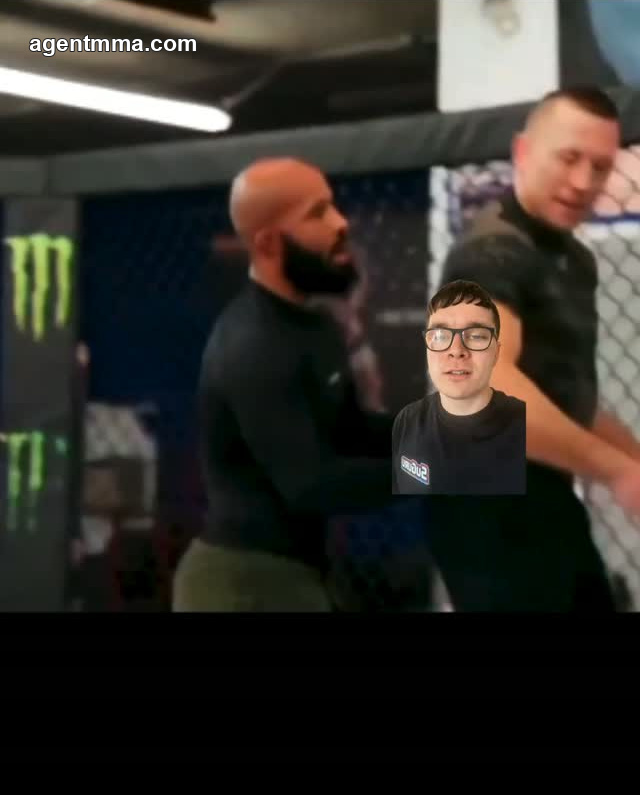

Former UFC welterweight and middleweight champion Georges St-Pierre shared his philosophy on retirement timing in combat sports. GSP stated that fighters typically retire too late and should "beat the game" rather than let the game beat them. He rejected the notion of "passing the torch," saying fighters should take it with them when they leave. St-Pierre emphasized the importance of separating one's identity as a fighter from one's personal identity, comparing it to Batman and Bruce Wayne. He also noted that fighting was what he did, not who he is. GSP is widely regarded as one of the greatest fighters in MMA history and retired on top after defeating Michael Bisping in 2017.
Georges St-Pierre has offered a pointed perspective on one of combat sports' most debated topics, arguing that fighters consistently wait too long to walk away from the sport.
The former two-division UFC champion, speaking in a recent interview, made the case that the smartest path out of a fighting career is to leave on your own terms — to "beat the game" before the game beats you. He pushed back firmly on the romantic idea of passing a torch to the next generation, saying that when a fighter leaves, the torch goes with them.
St-Pierre also touched on the psychological dimension of retirement, drawing a distinction between a fighter's competitive identity and their personal one. Using the analogy of Batman and Bruce Wayne, he argued that fighting is something he did, not something he is — a separation he views as essential to life after competition.

The Canadian, now 45, retired with a record of 26 wins and 2 losses and holds the rare distinction of having held titles in two UFC weight classes, welterweight and middleweight. He closed out his career by defeating Michael Bisping in 2017. Standing five-foot-eleven with a 76-inch reach, St-Pierre was a technically complete fighter throughout his run, landing 3.78 significant strikes per minute at 53 percent accuracy while averaging 4.16 takedowns per 15 minutes — numbers that underscored his dominance across both ranges.
Why it matters
- St-Pierre is among the most respected voices in MMA, and his views on career longevity carry weight across the sport
- His remarks implicitly challenge the culture of fighters continuing well past their competitive peak
- The mental health angle — separating personal identity from athletic identity — adds a dimension rarely addressed this directly by fighters of his stature