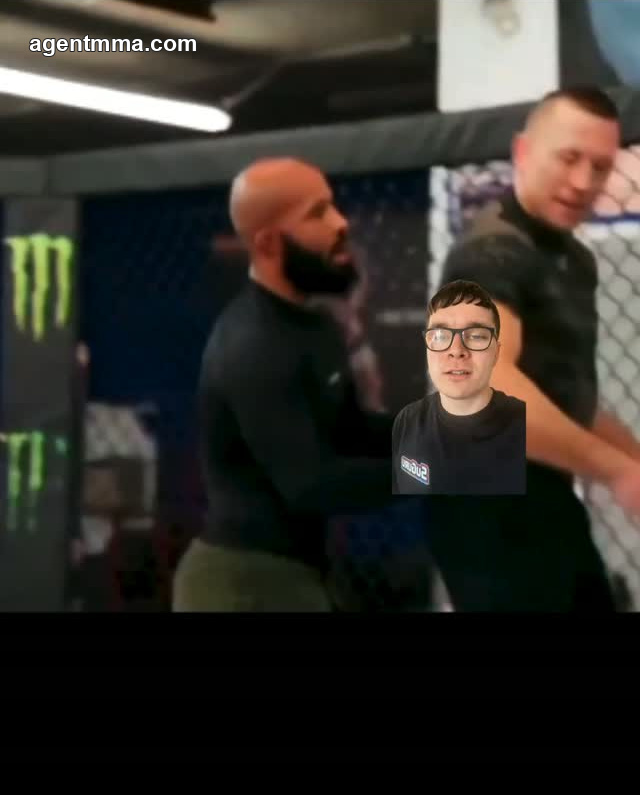

Georges St-Pierre has shared his philosophy on retirement, stating that fighters leave the sport too late and should 'beat the game' rather than let it beat them. He criticized the notion of 'passing the torch,' saying fighters should take it with them instead. GSP emphasized the importance of separating one's fighting persona from personal identity, comparing it to Batman and Bruce Weyne. He noted that 'GSP was a fighter, but Georges is not,' highlighting the need to understand that fighting is what you do, not who you are. This advice comes from one of MMA's most successful champions who retired on his own terms.
Georges St-Pierre has spoken out on one of MMA's most persistent problems — fighters staying too long — delivering a pointed philosophy on when and how athletes should walk away from the sport.
The Canadian legend, now 45, built a career that stands as one of the most decorated in mixed martial arts history. Fighting out of Tristar Gym in Montreal, St-Pierre compiled a 26-2 record across his welterweight career, retiring on his own terms rather than being forced out by defeats or decline. His technical precision was a hallmark throughout — landing 3.78 significant strikes per minute at 53 percent accuracy while also averaging 4.16 takedowns per 15 minutes, a combination that made him nearly impossible to game-plan against. His six-foot reach of 193 cm and orthodox stance gave him a versatile, measured style that aged well.
In recent remarks, St-Pierre pushed back against the romanticized idea of "passing the torch" to the next generation, arguing that fighters should take that torch with them when they leave. His central message was that athletes depart the sport far too late, absorbing punishment and damage that could be avoided with better timing. He framed retirement as an act of winning — "beating the game" before it beats you.

Perhaps the most striking element of his comments was the distinction he drew between his fighting identity and his personal one, comparing the separation to a comic book alter ego. In his framing, GSP was a fighter; Georges is not. The point being that a fighting persona is something a competitor does, not something they are.
Why it matters
- St-Pierre is among the rare elite champions who retired without a visible decline, lending his perspective unusual credibility on this subject
- The advice cuts against a culture in combat sports that often celebrates warriors who "go out on their shield"
- His identity-separation framework offers a psychological model that could resonate with fighters struggling to envision life after competition