Retired UFC heavyweight Alistair Overeem shared training photos on social media and revealed he now trains harder than when he was an active fighter. Overeem explained that during his career, training was about wins, ego, titles, and paychecks, focused on the next fight. Now his goals have changed and he trains differently, prioritizing recovery, mobility, and body maintenance rather than single-night performances. "It used to be about results. Now it's about legacy," Overeem stated. The post received positive reactions from fans celebrating his dedication to longevity and fitness in retirement.
Alistair Overeem has revealed that his training regimen in retirement is more demanding than anything he pursued during his professional fighting career, sharing the admission alongside training photos posted to social media.
Overeem, 46, retired from competition as one of the most accomplished heavyweights in combat sports history, finishing his career with a record of 47 wins and 19 losses. The Dutch fighter, who stands six-foot-four with an 80-inch reach, competed at the highest level of the heavyweight division across multiple major promotions. During his active years he averaged 3.67 significant strikes landed per minute at a striking accuracy of 64 percent — numbers that reflect the precision he was known for throughout his career.
In the post, Overeem drew a clear distinction between the motivation that drove him as a fighter and what drives him today. He explained that competing was always oriented around specific outcomes — victories, titles, money, and ego — with every training block built around a single upcoming fight. That focus, he said, has now given way to something broader. Recovery, mobility, and long-term body maintenance have replaced the short-term, performance-first approach he once relied on.
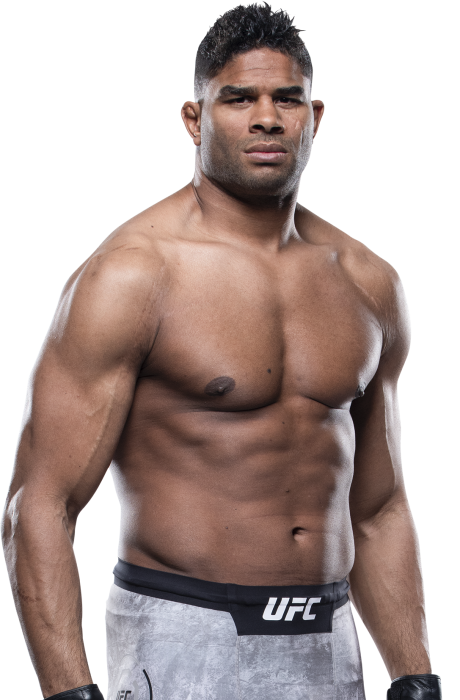
He framed the shift simply: training used to be about results, and now it is about legacy.
Why it matters
- Overeem's comments offer a candid look at how elite fighters recalibrate their physical priorities after retirement
- His emphasis on recovery and mobility reflects a growing conversation in combat sports about athlete longevity
- At 46, maintaining that level of physical discipline is notable for a heavyweight who absorbed significant punishment over a career spanning more than two decades