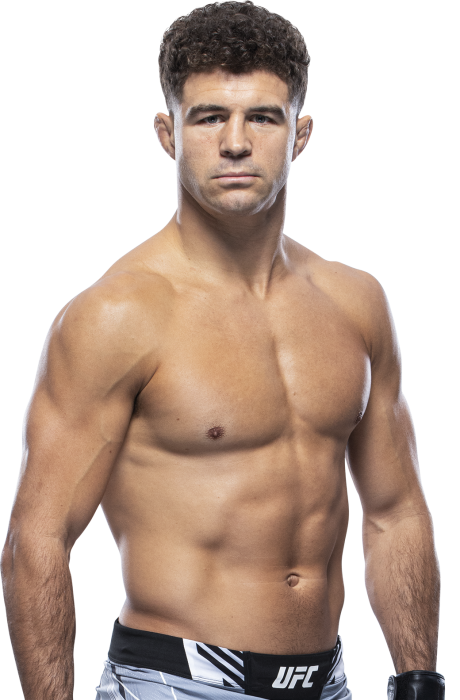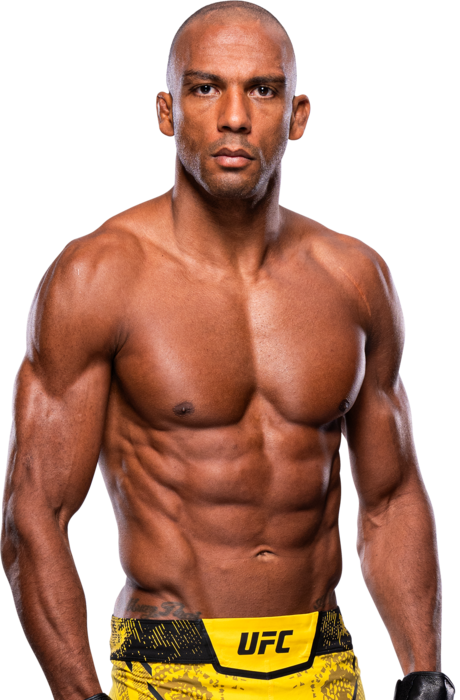

A detailed technical breakdown examines Khabib Nurmagomedov's underappreciated mid-range boxing, particularly his jab, which enabled him to maintain pressure and safely transition to wrestling. Justin Gaethje praised Khabib's jab effectiveness, noting how his level changes forced opponents to constantly adjust. Statistical analysis of Khabib's final five UFC fights shows he won the mid-range striking battle in four of them, including notable advantages against Barboza (25-11), Iaquinta (77-23), and Gaethje (14-12.25), while going roughly even with McGregor and Poirier. The analysis argues that without his solid mid-range boxing, Khabib would have struggled to drive opponents to the cage where his wrestling was most effective. The piece concludes by speculating Khabib would have dominated the welterweight division against fighters like Woodley, Covington, Edwards, Masvidal, and Thompson, with a detailed Usman matchup analysis promised soon.
A technical breakdown published April 8 makes the case that Khabib Nurmagomedov's jab and mid-range boxing were the hidden engine behind his legendary wrestling dominance, arguing those skills have gone largely unacknowledged in how analysts discuss his undefeated career.
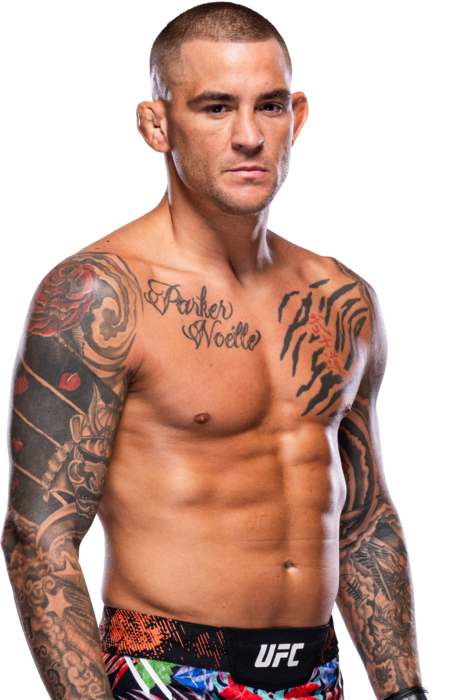
Khabib, who retired with a perfect 29-0 record, competed out of Russia under the Fightspirit Team banner. The 37-year-old stood five-foot-ten with a 70-inch reach and averaged 5.32 takedowns per 15 minutes across his UFC run — a figure that places him among the most prolific grapplers in promotional history. The analysis focuses on his final five UFC bouts, finding he won the mid-range striking exchange in four of them, with notable advantages recorded against Edson Barboza (25 to 11), Al Iaquinta (77 to 23), and Justin Gaethje (14 to 12.25). He went roughly even in that department against Conor McGregor and Dustin Poirier.
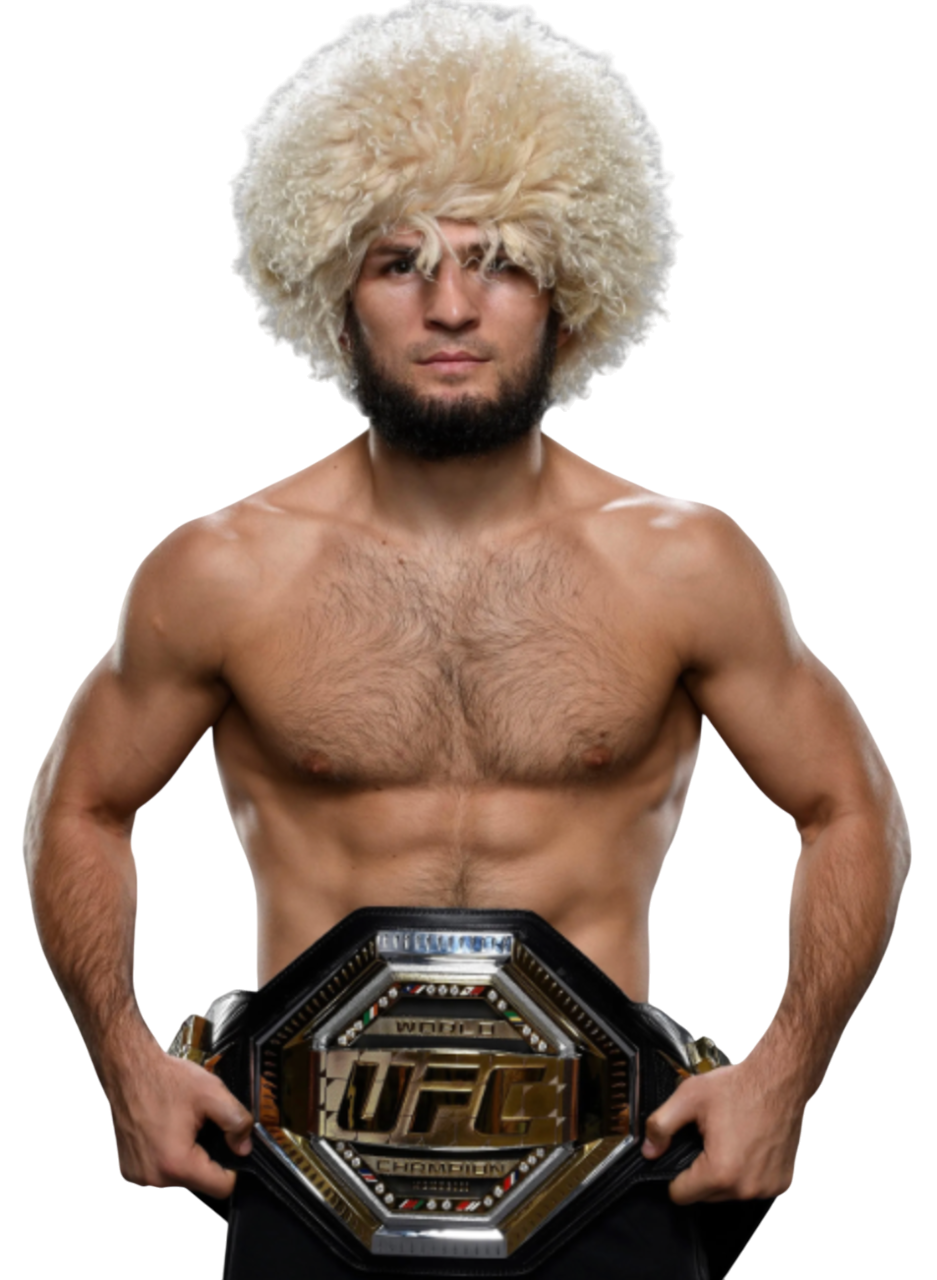
Poirier, a 30-10 southpaw from the United States who trains at American Top Team, averaged 5.24 significant strikes per minute with 50 percent accuracy during his career. The piece notes Khabib held his own in the mid-range exchange even against an output striker of that caliber.

The central argument is straightforward: Khabib's jab and level-change threats forced opponents to manage multiple dangers simultaneously, making it far harder to defend the cage pressure that enabled his wrestling. Justin Gaethje himself is cited as praising the jab's effectiveness in disrupting an opponent's defensive rhythm.

Why it matters
- Khabib's 29-0 record is often attributed solely to his grappling, but this analysis adds statistical weight to his striking contribution
- The mid-range boxing advantage in four of five final fights challenges the narrative of a one-dimensional fighter
- The piece extends its scope to a hypothetical welterweight run, naming Jorge Masvidal among fighters it believes Khabib would have handled, with Masvidal carrying a 35-17 record and 47 percent striking accuracy across his career
- A detailed Kamaru Usman matchup analysis is flagged as forthcoming in the same series