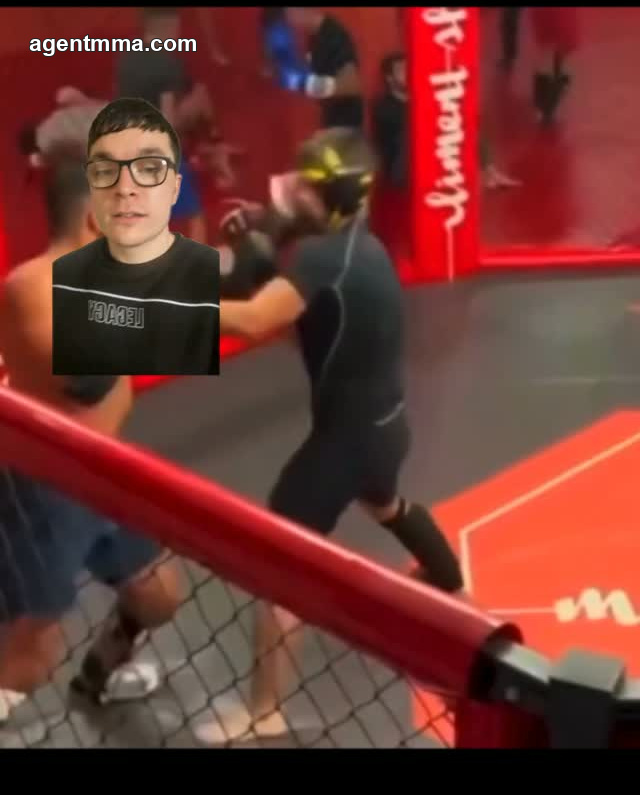
Alexander Volkov shared his thoughts on the recent Curtis Blaydes versus Josh Hokit bout, calling it an impressive fight that fans love to watch. He described it as two big men hitting each other in the face for three rounds with lots of blood and entertainment. Volkov expressed concern about whether Hokit can sustain such a fighting style long-term, noting that taking that much damage repeatedly can break a fighter. He questioned whether Hokit, despite his good performance, can continue fighting that way bout after bout. Volkov emphasized that no healthy person enjoys feeling pain, and repeatedly enduring such wars makes it difficult to keep entering the octagon.
Alexander Volkov offered a candid assessment of the heavyweight clash between Curtis Blaydes and Josh Hokit, weighing in on both the entertainment value and the physical toll such a contest demands.

Volkov, known as "Drago," sits at number one in the heavyweight rankings and brings a wealth of experience to any analysis of the division. The 37-year-old Russian, who fights out of Strela Team, carries a 40-11-0 professional record and stands six-foot-seven with an 80-inch reach. He lands nearly five significant strikes per minute at a 57 percent accuracy rate, making him one of the more technically refined heavyweights on the roster.
Blaydes, ranked fourth in the division, holds a 19-6-0 record and has built his reputation primarily through elite wrestling. The 35-year-old American from Elevation Fight Team lands 5.38 takedowns per 15 minutes, a figure that ranks among the best in heavyweight history. Standing six-foot-four with an 80-inch reach, "Razor" also contributes 3.56 significant strikes per minute at 50 percent accuracy.

Hokit, at just 28 years old, enters with a perfect 5-0-0 record and the nickname "The Incredible Hok."

Why it matters
- Volkov praised the Blaydes-Hokit bout as the kind of bloody, back-and-forth war that draws fan attention to the heavyweight division
- His concern centered specifically on Hokit's long-term durability, questioning whether a fighter can repeatedly absorb that level of punishment without lasting consequences
- Volkov noted that no fighter genuinely enjoys pain, and that enduring sustained damage bout after bout can erode a competitor's willingness to keep returning to the octagon
- The commentary from the division's top-ranked contender adds meaningful perspective on how heavyweight prospects manage physical attrition over a career