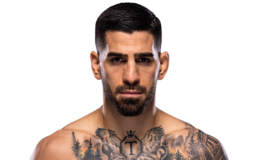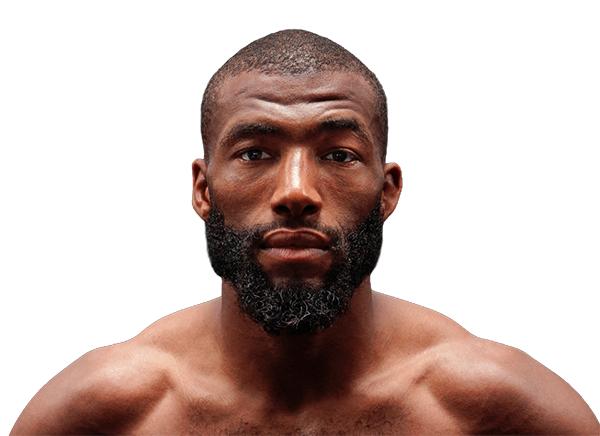

Tapology has added a new feature to UFC fighter profiles that calculates and displays opponent quality levels. The metric uses a proprietary formula and is expressed on a scale from 1 to 99. The calculation considers only a fighter's last six UFC bouts, excluding fights in other promotions. For UFC 328, the top five opposition quality scores belong to Sean Strickland (74), Khamzat Chimaev (69), Alexander Volkov (67), Joaquin Buckley (55), and Sean Brady (54). The bottom five scores on the same card are held by Baysangur Susurkaev (4), Ozzy Diaz (4), Jorden Santos (6), Yaroslav Amosov (7), and Ateba Gautier (7).
Tapology has rolled out a new opponent quality rating system for UFC fighter profiles, with the feature going live ahead of UFC 328, scheduled for May 9, 2026.
The tool assigns each fighter a score between 1 and 99 using a proprietary formula that accounts exclusively for their last six UFC bouts. Fights completed outside the promotion are not factored into the calculation, meaning the metric is designed to reflect UFC-specific competition rather than a fighter's full career résumé.

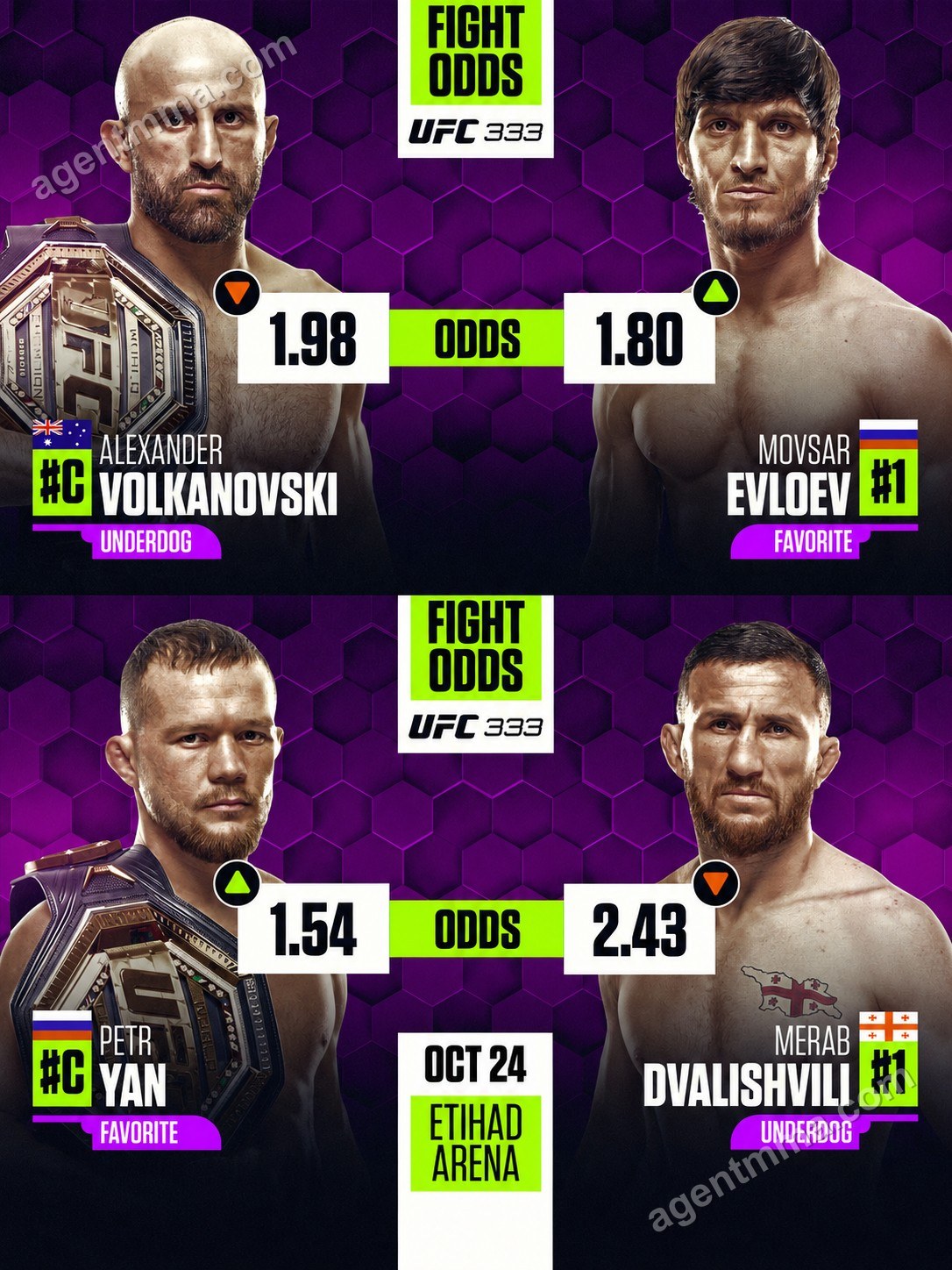
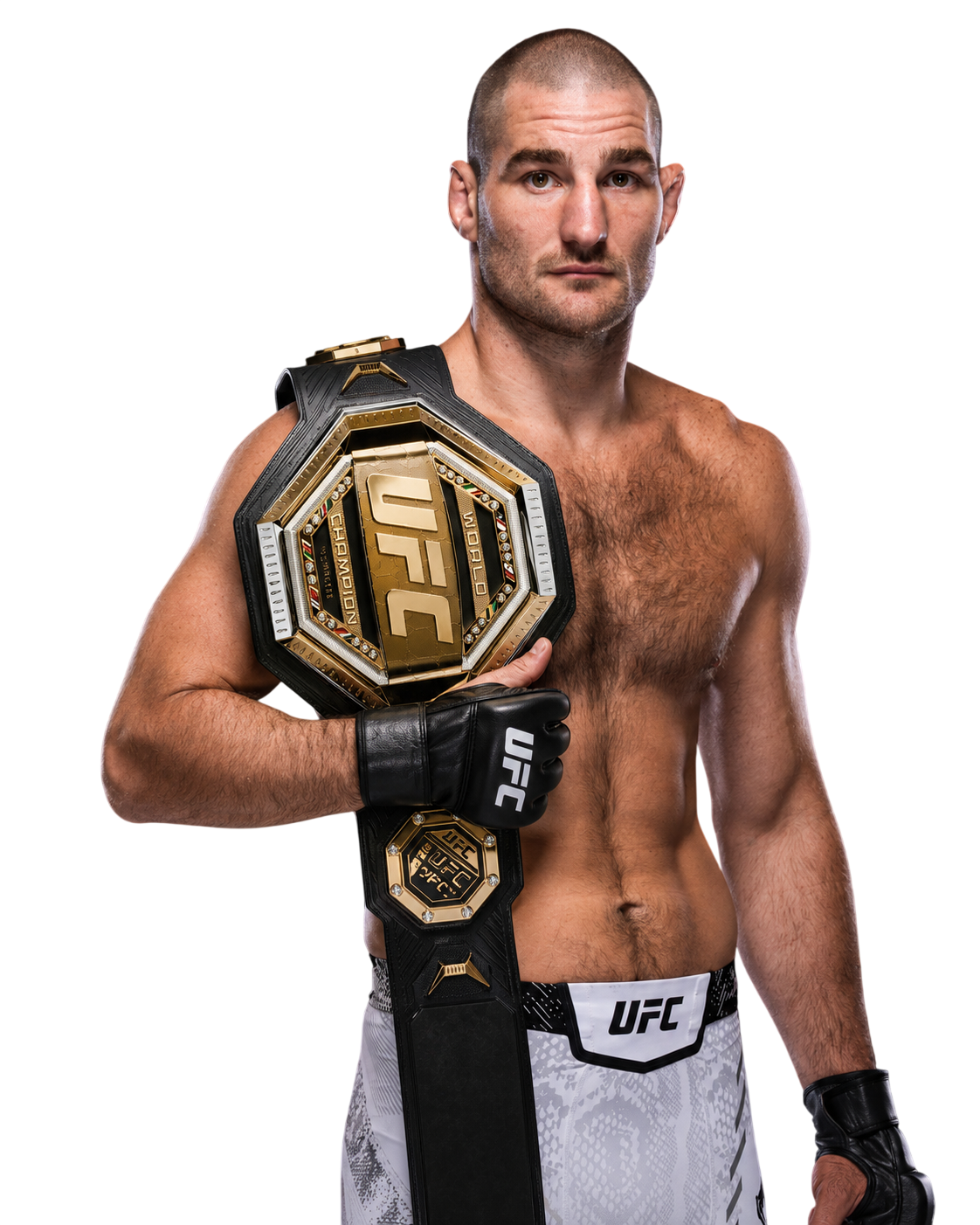
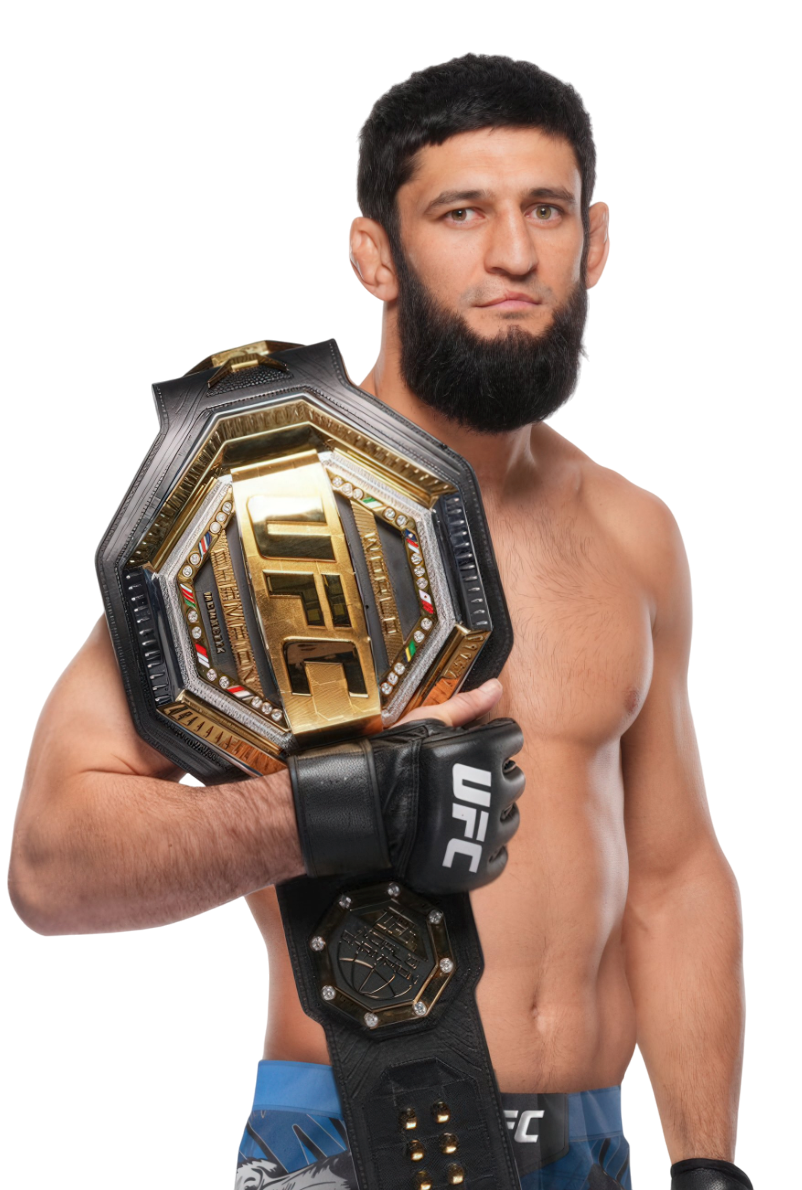
Among the fighters competing at UFC 328, the new system places middleweight champion Sean Strickland at the top of the card with an opponent quality score of 74. The 35-year-old American, who trains out of Xtreme Couture and carries a 31-7-0 record, has built that mark partly through a relentless output of 6.04 significant strikes landed per minute across a 76-inch reach. Khamzat Chimaev follows second on the card at 69, with heavyweight Alexander Volkov third at 67. Volkov, a 37-year-old Russian ranked first in the heavyweight division at 40-11-0, posts a striking accuracy of 57 percent, one of the higher marks among active heavyweights. Joaquin Buckley and Sean Brady round out the top five at 55 and 54, respectively.

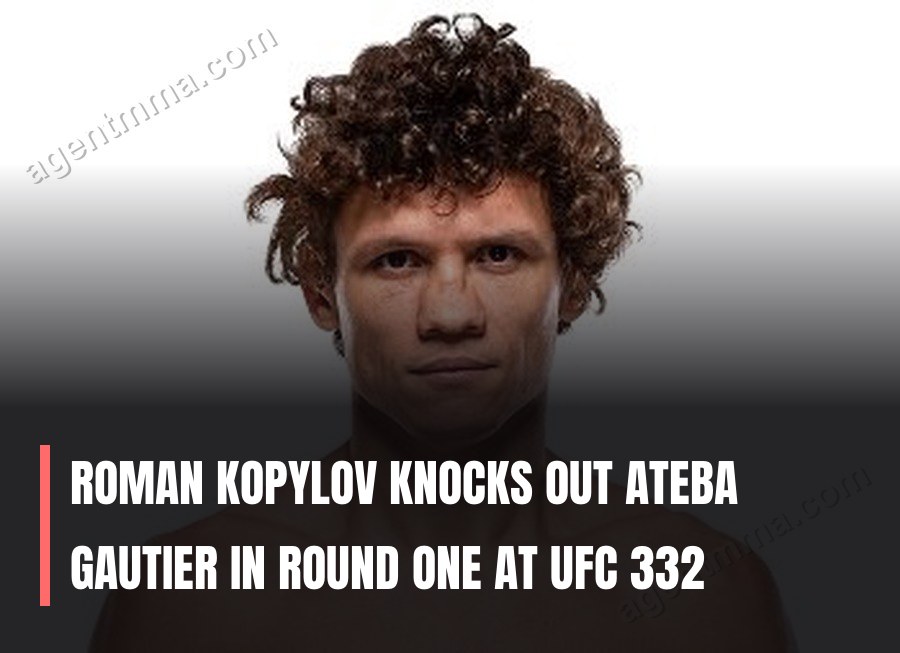
At the other end of the scale, Baysangur Susurkaev and Ozzy Diaz share the card's lowest scores at 4, followed by Jorden Santos at 6 and Yaroslav Amosov and Ateba Gautier tied at 7. Gautier, a 24-year-old prospect carrying an 11-1-0 record and an 81-inch reach, reflects the expected profile of a fighter earlier in their UFC tenure, where fewer high-profile bouts naturally suppress the rating.

Why it matters
- The metric gives fans and analysts a quick, standardized way to compare the caliber of opposition fighters have faced within the UFC specifically.
- Limiting the window to six bouts keeps scores responsive to recent activity rather than career-long history.
- Gaps between top and bottom scores on the same card, like the 70-point spread at UFC 328, illustrate how differently experienced fighters are matched across a single event.



Saturday, May 9, 2026