
Tapology has launched a new feature displaying an opponent quality level for UFC fighters' profiles. The metric is calculated using a specific formula available on the site and expressed as a number from 1 to 99. The calculation considers only the last six UFC fights, excluding bouts in other organizations. For UFC 328, Sean Strickland has the highest rating at 74, followed by Khamzat Chimaev at 69 and Alexander Volkov at 67. The lowest ratings on the card belong to Baisangur Susurkayev and Ozzy Diaz, both at 4.
Tapology has rolled out a new opponent quality metric for UFC fighter profiles, giving fans a data-driven way to assess the caliber of competition each fighter has faced inside the Octagon.

The feature assigns every UFC fighter a score between 1 and 99, calculated using a formula published on the Tapology site. Crucially, the metric draws only from a fighter's last six UFC bouts, meaning performances in other promotions are excluded from the calculation entirely.

Among the fighters slated for UFC 328 on May 9, Sean Strickland leads the card with the highest opponent quality rating of 74. The 35-year-old American middleweight champion trains out of Xtreme Couture and carries a 31-7-0 professional record. Standing six-foot-one with a 76-inch reach, Strickland is one of the sport's most active strikers, landing 6.04 significant strikes per minute with an orthodox stance.

Alexander Volkov checks in second on the card among those with verified scores, posting a 67. The Russian heavyweight, nicknamed "Drago," holds the number-one divisional ranking and a career record of 40-11-0. The six-foot-seven, 37-year-old southpaw-turned-orthodox fighter boasts a striking accuracy of 57 percent and lands 4.78 significant strikes per minute over his UFC run.

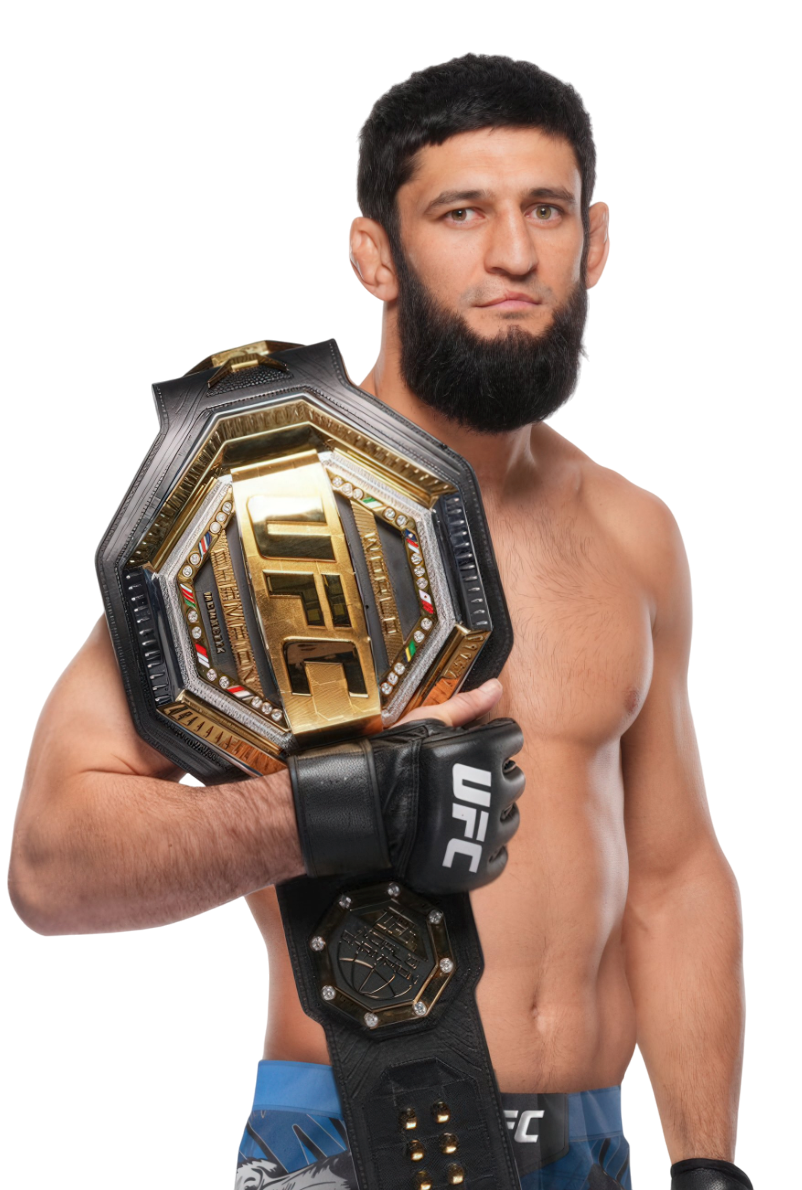
Khamzat Chimaev slots in between the two at 69, though his verified profile data was not included in this release.

At the opposite end of the spectrum for UFC 328, both Baisangur Susurkayev and Ozzy Diaz sit at a score of 4, reflecting far less experienced opposition in their UFC tenures to date.
Why it matters
- The metric offers a more structured way to evaluate résumé strength beyond simple win-loss records
- Limiting the window to the last six UFC fights keeps scores current and prevents older résumés from inflating ratings
- Wide gaps on a single card — from 74 down to 4 — illustrate how unevenly distributed competition quality can be across a single event's lineup


Saturday, May 9, 2026