Analysis of the UFC 328 press conference suggests the event succeeded in providing energy and tension but failed to deliver meaningful content in the verbal exchanges between Khamzat Chimaev and Sean Strickland. Neither fighter effectively responded to the other's arguments or developed the conflict beyond basic insults. Chimaev's approach focused on Strickland's childhood trauma, similar to Dricus Du Plessis's previous strategy, while Strickland attacked Chimaev regarding Ramzan Kadyrov, Chechnya, dictatorship, and accused him of cowardice for traveling with a large entourage. The analysis notes that while Strickland's political commentary was more pointed than Conor McGregor's against Khabib Nurmagomedov, Chimaev completely ignored these provocations. The presence of armed security in bulletproof vests added dramatic effect, though it remains unclear which fighter expended more emotional energy or was more affected by the exchanges.
The UFC 328 pre-fight press conference delivered heat and tension ahead of Saturday's event, but a closer analysis of the face-off between middleweight champion Sean Strickland and Khamzat Chimaev reveals the verbal war never evolved beyond surface-level exchanges.
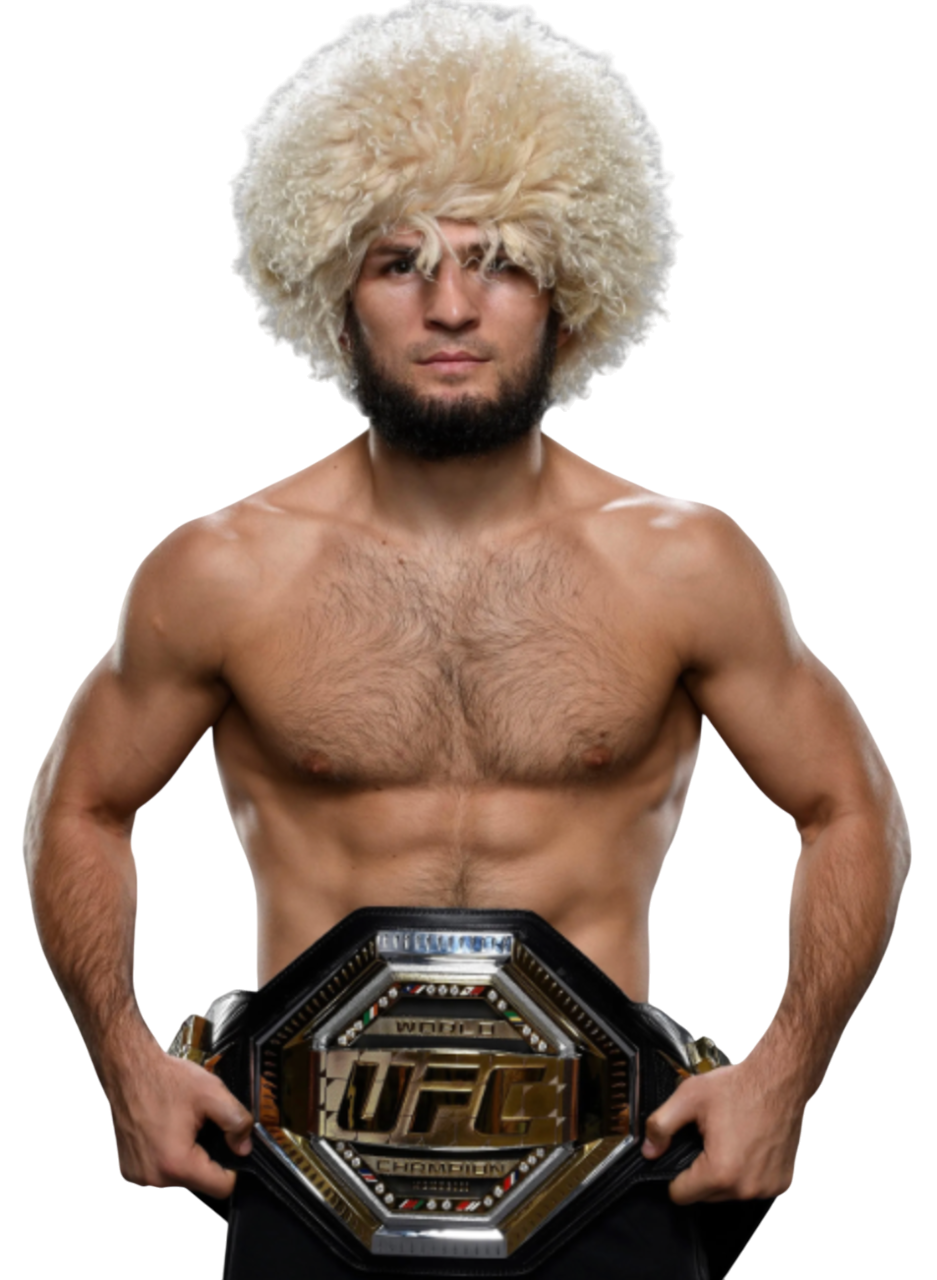
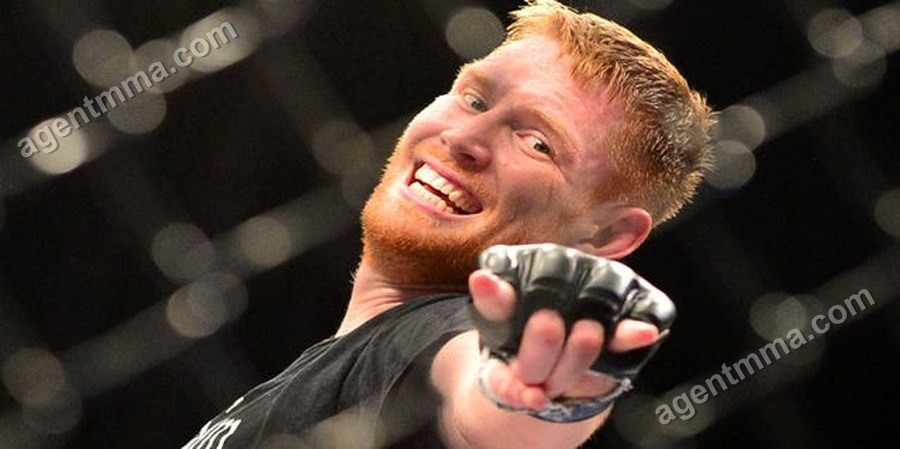
Strickland, 35, enters UFC 328 as the reigning middleweight champion carrying a 31-7-0 record. The Xtreme Couture product is one of the division's most active strikers, landing 6.04 significant strikes per minute with a six-foot-one frame and a 76-inch reach. At the press conference, the American directed his sharpest fire at Chimaev's ties to Ramzan Kadyrov, openly condemning Chechnya and its leadership and accusing Chimaev of cowardice for arriving surrounded by a large security entourage, some members of which appeared in bulletproof vests.
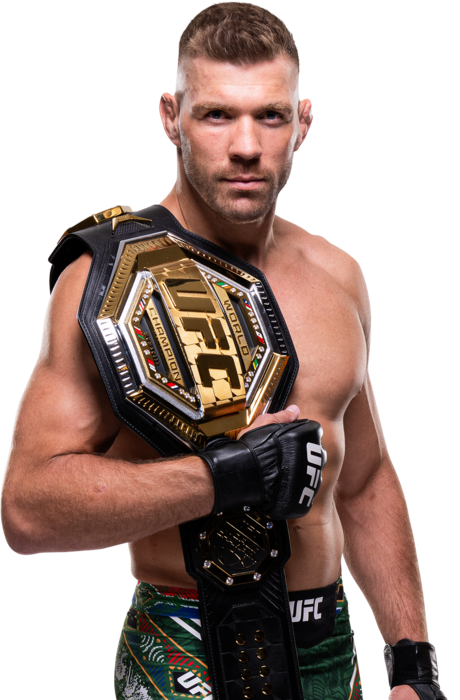
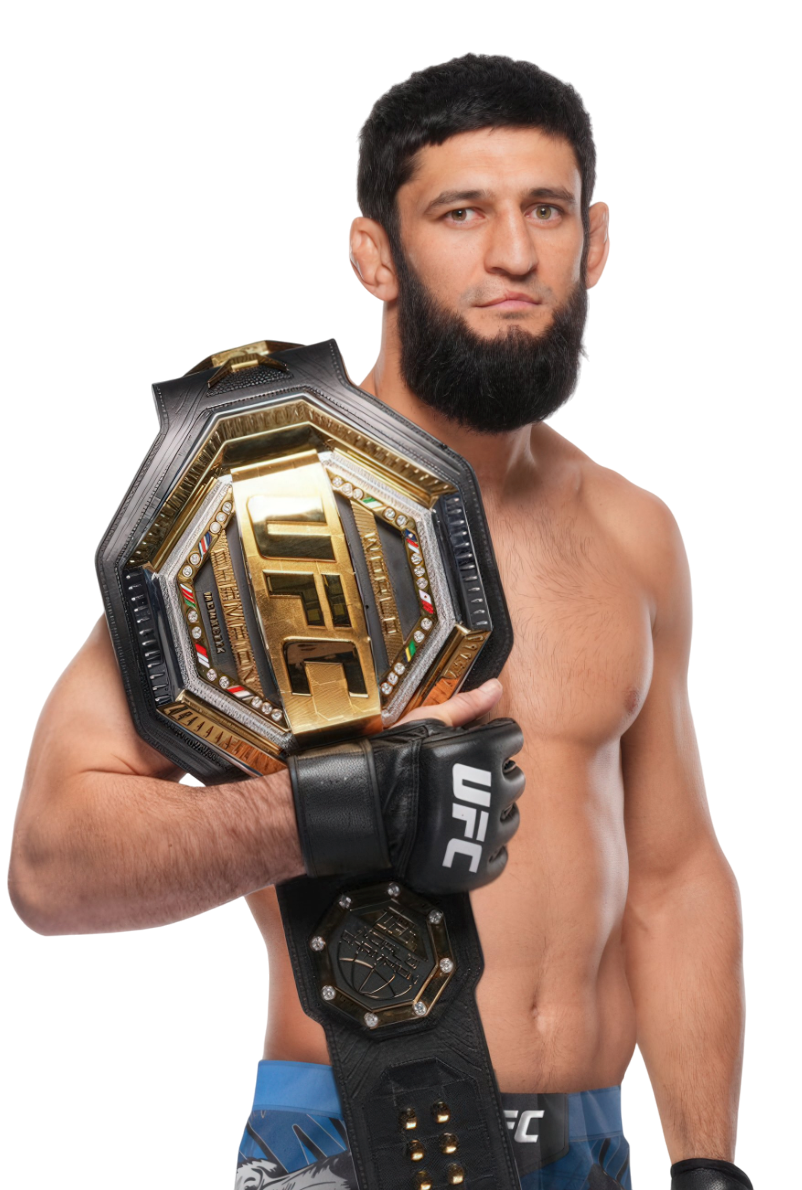
Chimaev, for his part, largely declined to engage with Strickland's political provocations. Instead, he leaned into personal attacks centered on Strickland's well-documented childhood trauma — an approach previously used by former middleweight contender Dricus Du Plessis. Du Plessis, now ranked second in the division at 32 years old and holding a 23-3-0 record, had deployed a similar psychological strategy against Strickland in their own buildup.
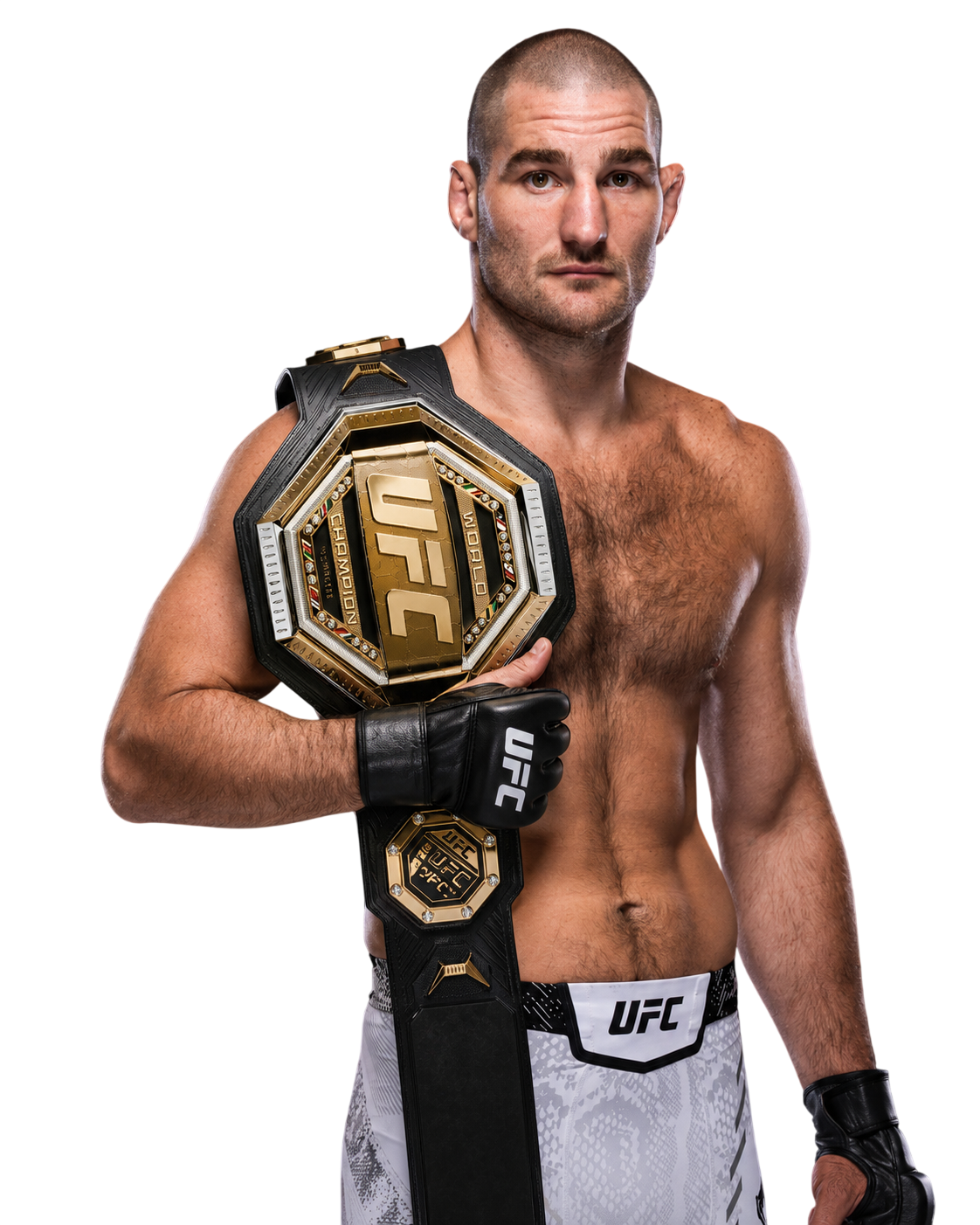
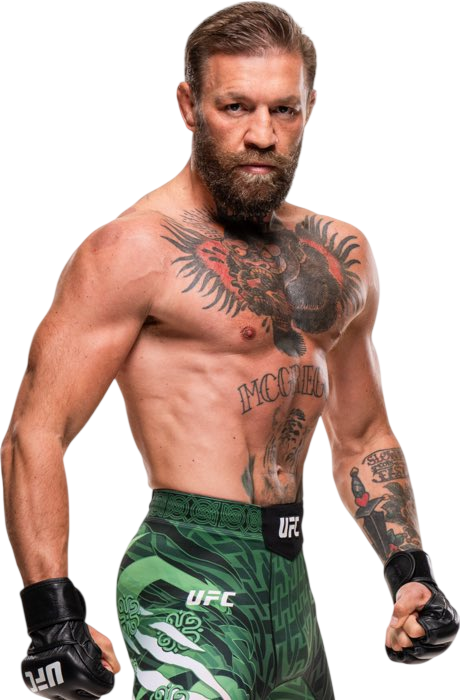
The analysis draws a pointed comparison: Strickland's political commentary was considered more substantive and targeted than Conor McGregor's nationality-based taunts aimed at Khabib Nurmagomedov years earlier, yet Chimaev absorbed those shots without visibly reacting or mounting a coherent counter-argument.
Why it matters
- Chimaev's refusal to engage Strickland's political arguments leaves questions about whether the strategy was disciplined restraint or an inability to respond effectively
- The mirroring of Du Plessis's psychological approach against Strickland suggests a shared tactical blueprint among Chimaev's camp
- The presence of armed, armored security added spectacle but also shifted some of the narrative away from the fight itself
- It remains genuinely unclear which fighter absorbed more psychological damage from the exchange heading into fight night
Saturday, May 9, 2026