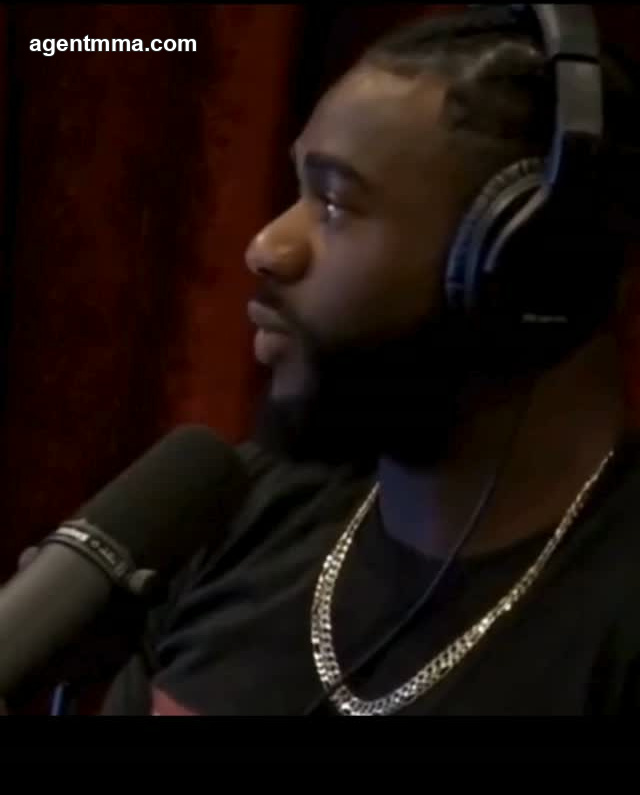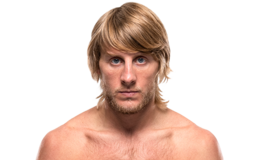
An in-depth analysis evaluated the UFC 328 press conference, concluding that while the fighters delivered energy and intensity, the content quality was poor. Neither Chimaev nor Strickland effectively responded to each other's points or developed the conflict beyond basic insults. Chimaev's approach focused on Strickland's childhood trauma, repeating Du Plessis's previous tactic, while Strickland attacked on topics of Kadyrov, Chechnya, and alleged cowardice. The analysis noted that Strickland expended more emotional energy discussing issues he genuinely cares about, while Chimaev largely ignored the provocations. Despite the superficial exchanges, the presence of armed security in bulletproof vests added dramatic effect. The assessment questions whether either fighter was genuinely affected, suggesting Chimaev feels confident due to his fighting advantage.
A pre-fight press conference breakdown ahead of UFC 328 has sized up the verbal sparring between middleweight champion Sean Strickland and challenger Khamzat Chimaev, finding plenty of heat but little substance in their exchanges.
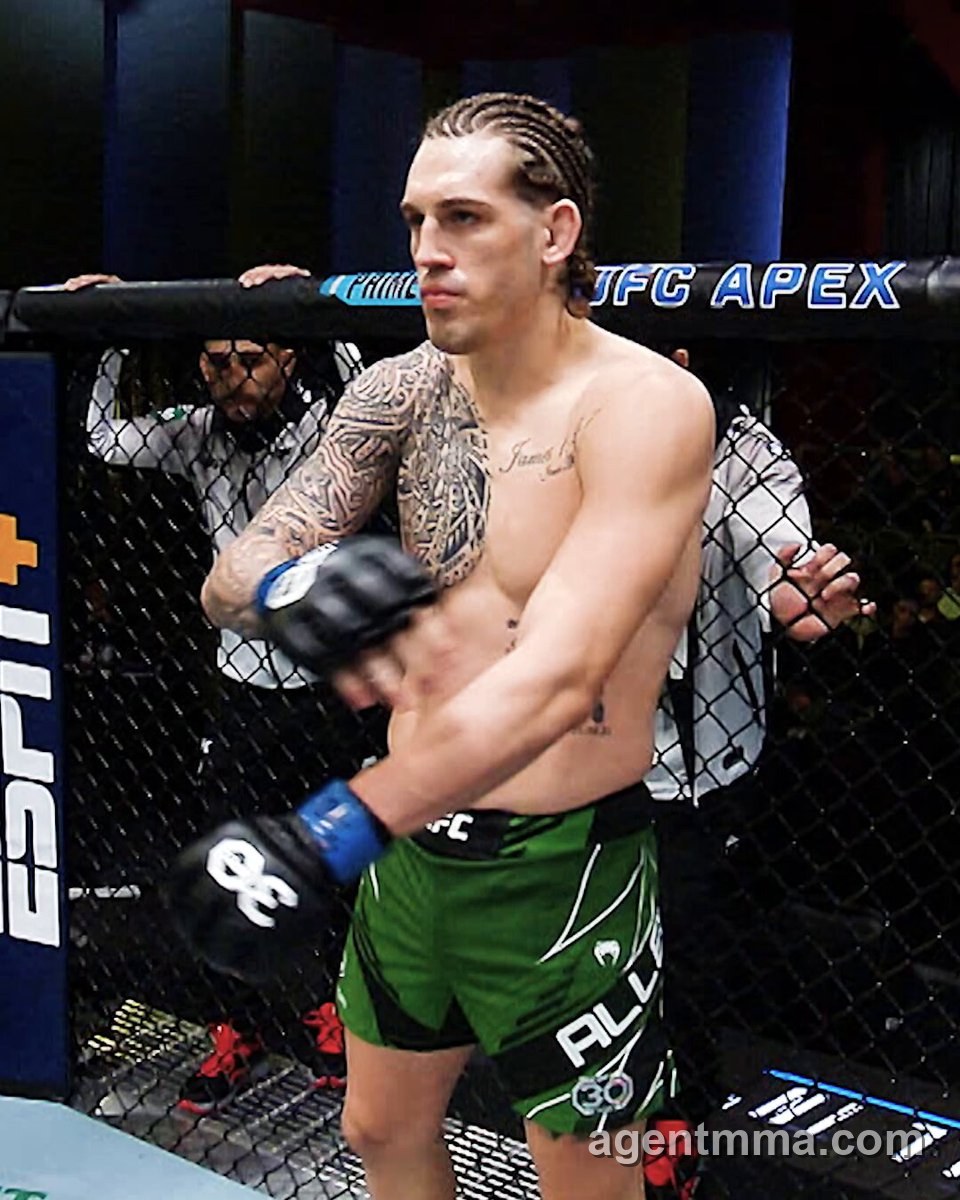
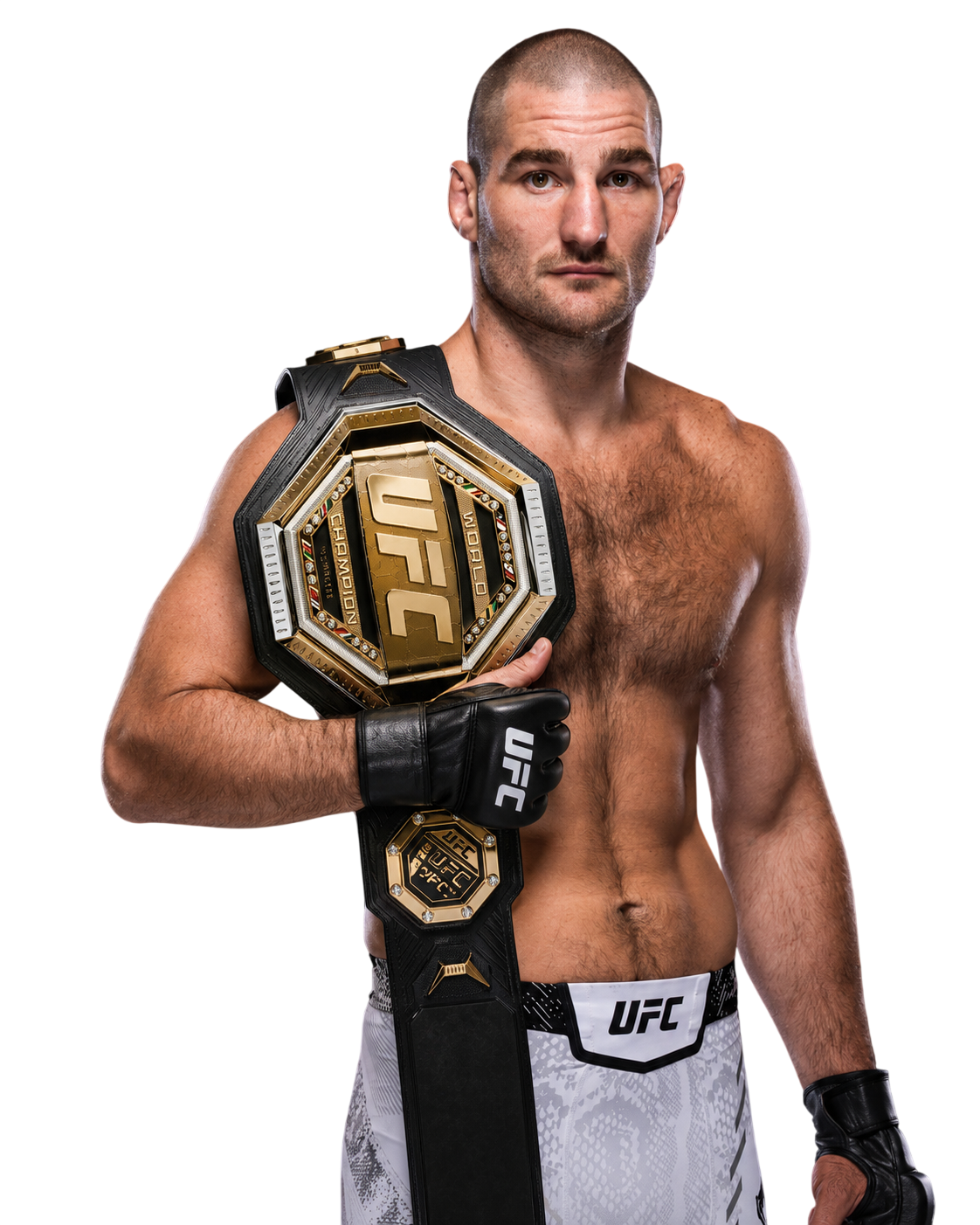
Strickland, known as "Tarzan," enters the bout as the reigning middleweight champion with a professional record of 31-7-0. The 35-year-old American, who trains out of Xtreme Couture, is one of the division's most active strikers, landing 6.04 significant strikes per minute at 42 percent accuracy. He carries a 76-inch reach and stands six-foot-one, and his willingness to engage in prolonged verbal confrontations is well established.
The analysis found that Strickland invested noticeably more emotional energy than his opponent, directing pointed criticism at Chimaev over his ties to Kadyrov, his Chechen background, and what Strickland characterized as cowardice. Those are topics Strickland clearly feels strongly about, and his passion showed. Chimaev, by contrast, leaned on Strickland's well-documented childhood trauma — a line of attack previously deployed by Dricus Du Plessis — and largely brushed past Strickland's provocations rather than engaging with them directly.
Why it matters
- Chimaev's decision to recycle Du Plessis's psychological angle suggests a calculated rather than reactive approach to the mind game
- Strickland's emotional investment in the political and personal topics he raised may signal genuine agitation, or simply reflect his natural combative style
- The presence of armed security personnel in bulletproof vests at the press conference added an unusual visual backdrop that amplified the tension regardless of the words exchanged
- The analysis concludes that Chimaev's composure points to a fighter who believes his physical advantages will render the verbal contest irrelevant come fight night
Neither man landed a clean rhetorical blow, according to the breakdown, with the confrontation generating atmosphere without advancing any real narrative conflict between the two.
Saturday, May 9, 2026