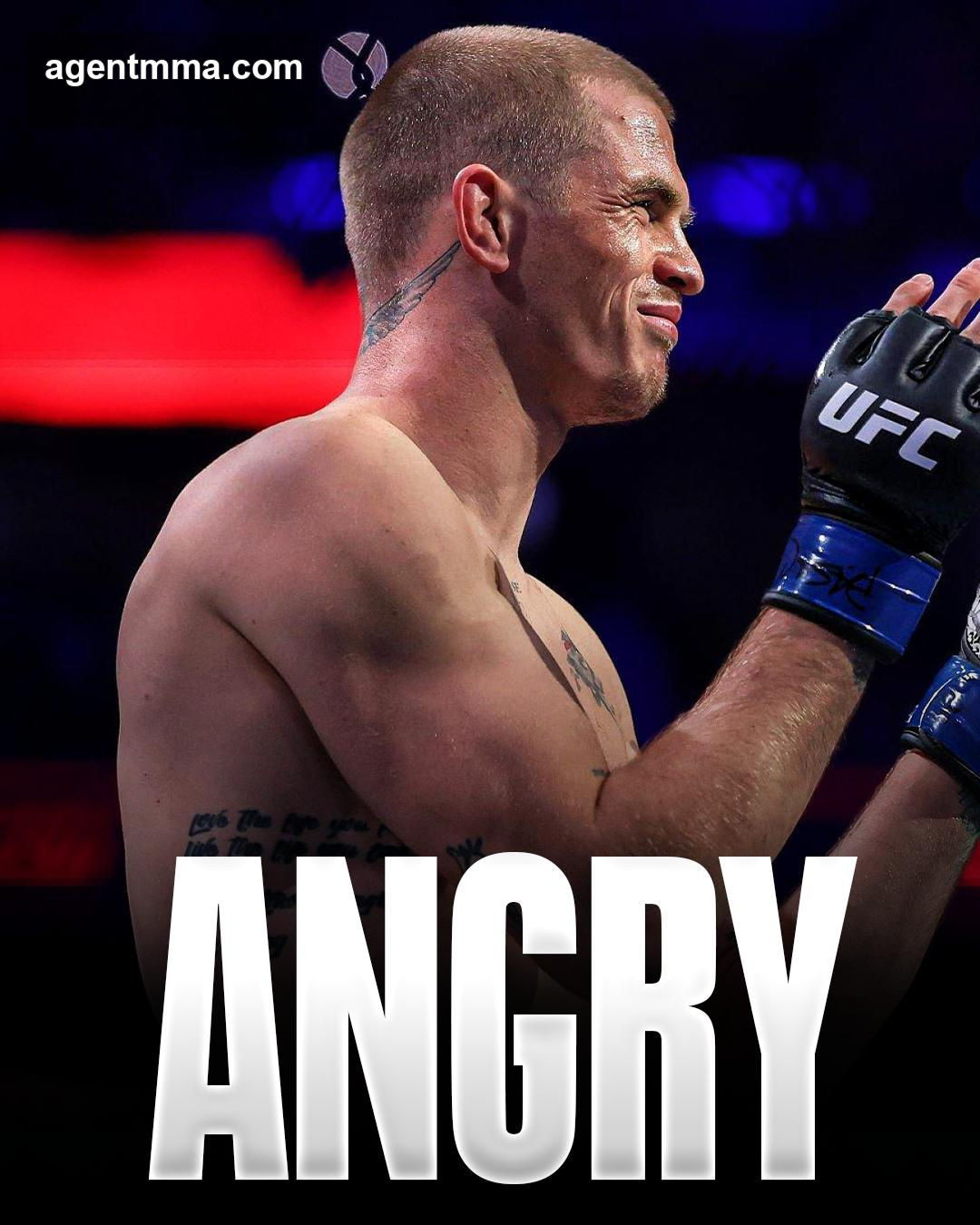
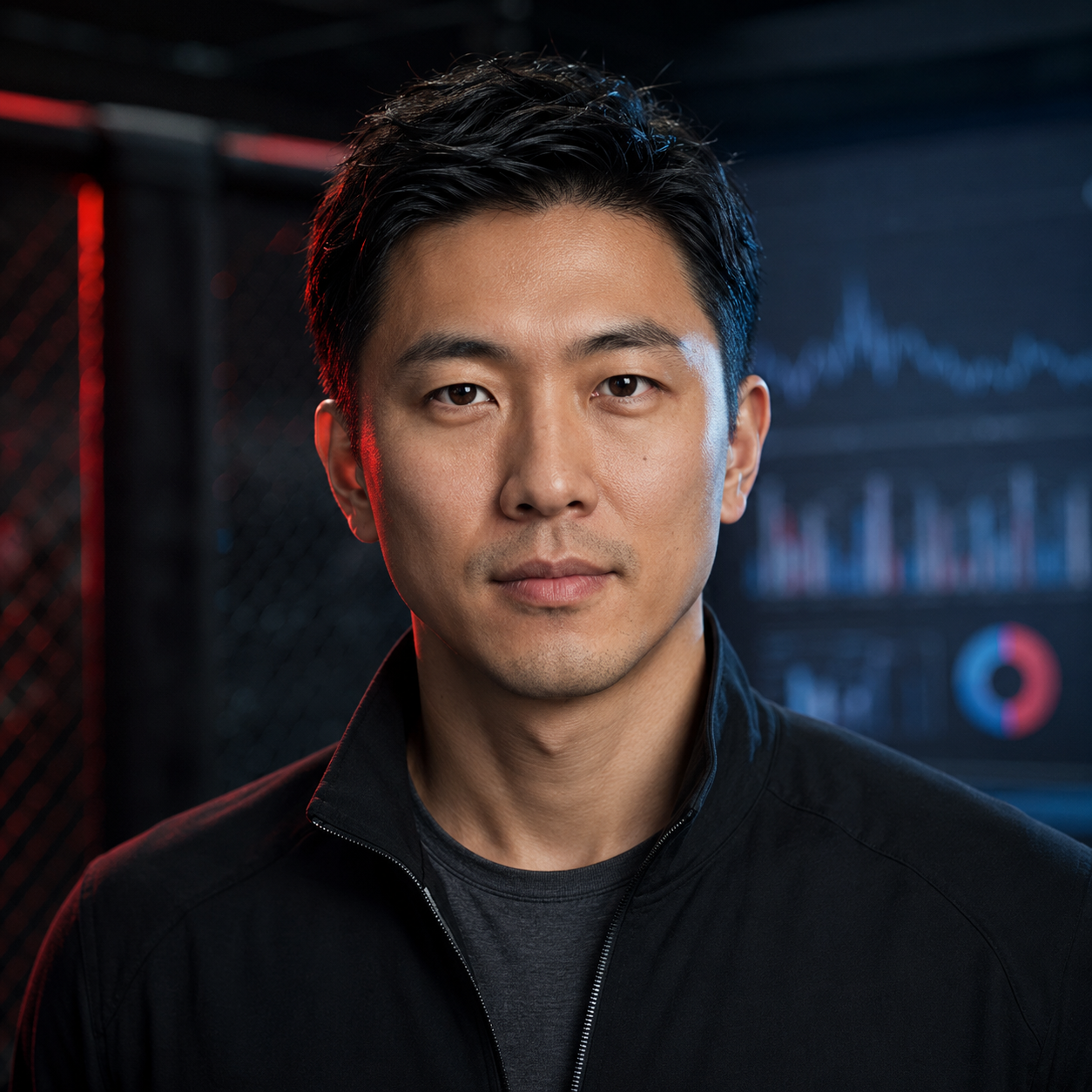
Tapology has launched a new feature that calculates and displays an opposition quality level for UFC fighters in their profiles. The metric uses a proprietary formula and rates competition on a scale from 1 to 99 based on a fighter's last six UFC bouts, excluding fights in other organizations. For UFC 328, Sean Strickland leads with a score of 74, followed by Hamzat Chimaev at 69 and Alexander Volkov at 67, with Joaquin Buckley and Sean Brady rounding out the top five. At the other end, Baysangur Usurkayev and Ozzy Diaz share the lowest score at 4. The system provides fans and analysts with a quantifiable measure of the caliber of opponents each fighter has faced recently.
Tapology has unveiled a new opposition quality metric for UFC fighters, rolling out the feature ahead of UFC 328 on May 9, 2026, and giving fans a data-driven way to assess the caliber of competition each fighter has recently faced.
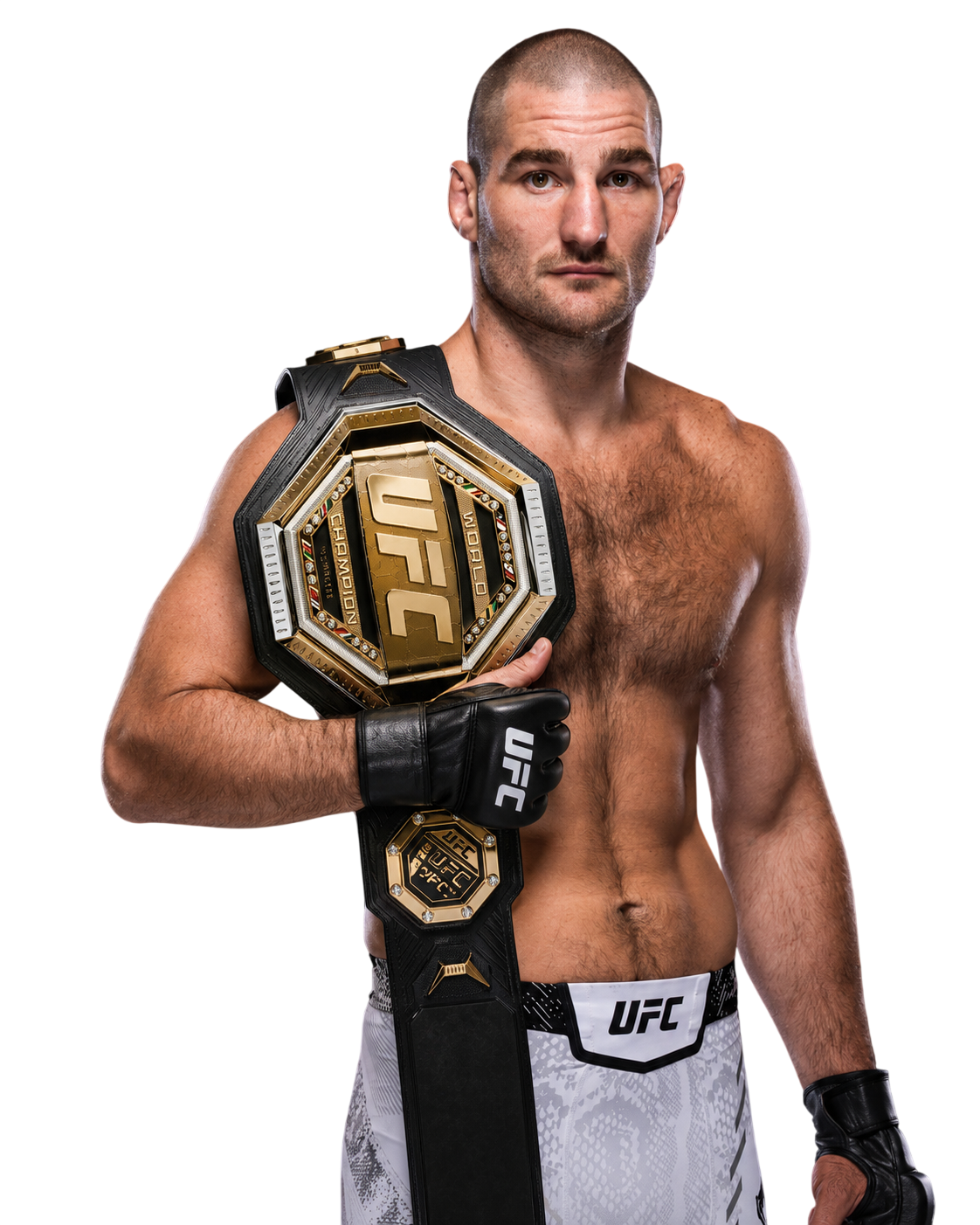
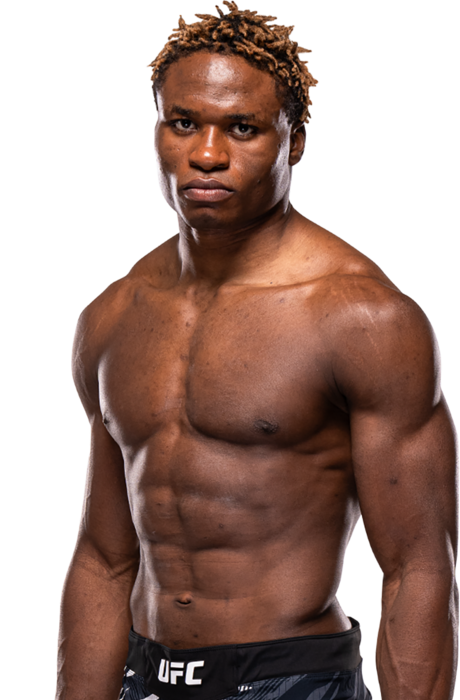
The system rates opposition quality on a scale of one to 99 using a proprietary formula built around a fighter's last six UFC bouts, with performances in other promotions excluded from the calculation. For the UFC 328 cycle, Sean Strickland leads all fighters with a score of 74, followed by Hamzat Chimaev at 69, Alexander Volkov at 67, and Joaquin Buckley and Sean Brady rounding out the top five. At the opposite end of the spectrum, Baysangur Usurkayev and Ozzy Diaz share the lowest mark at 4.
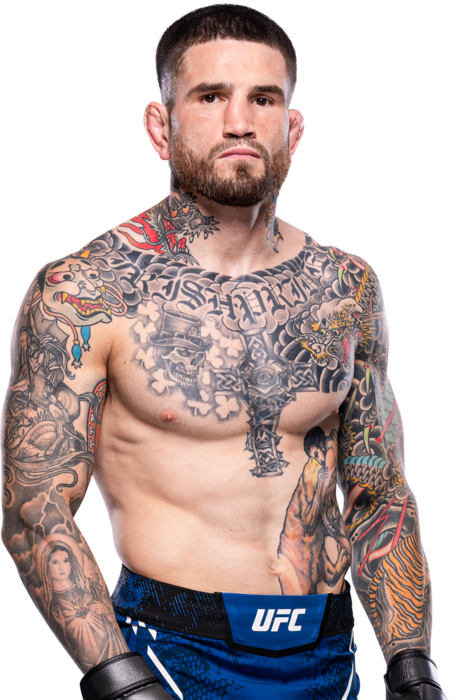
Strickland, the 35-year-old middleweight champion from the United States, carries a 31-7-0 record and trains out of Xtreme Couture. His position atop the metric reflects a string of high-profile bouts that come with the territory of holding championship gold. He averages 6.04 significant strikes landed per minute and fights out of an orthodox stance with a 76-inch reach.
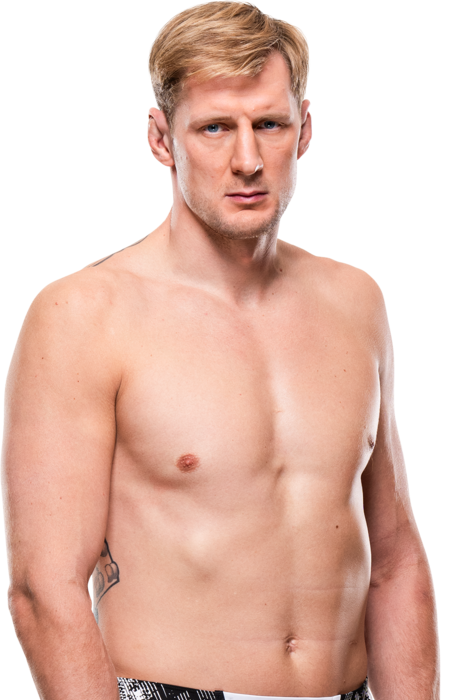
Volkov, ranked first in the heavyweight division, sits third on the list with a score of 67. The 37-year-old Russian stands six-foot-seven with an 80-inch reach and brings a 40-11-0 career record into the event. He connects on 57 percent of his significant strikes, one of the sharper accuracy marks among active heavyweights.
Why it matters
- The metric gives analysts a fast, standardized reference point for evaluating how meaningfully a fighter has been tested in recent outings.
- Championship fighters like Strickland naturally skew toward higher scores, raising questions about how the formula accounts for title defenses versus contender-level competition.
- Lower scores for debut-adjacent fighters reflect limited UFC sample sizes, since the formula requires six Octagon appearances to draw from.


Saturday, May 9, 2026