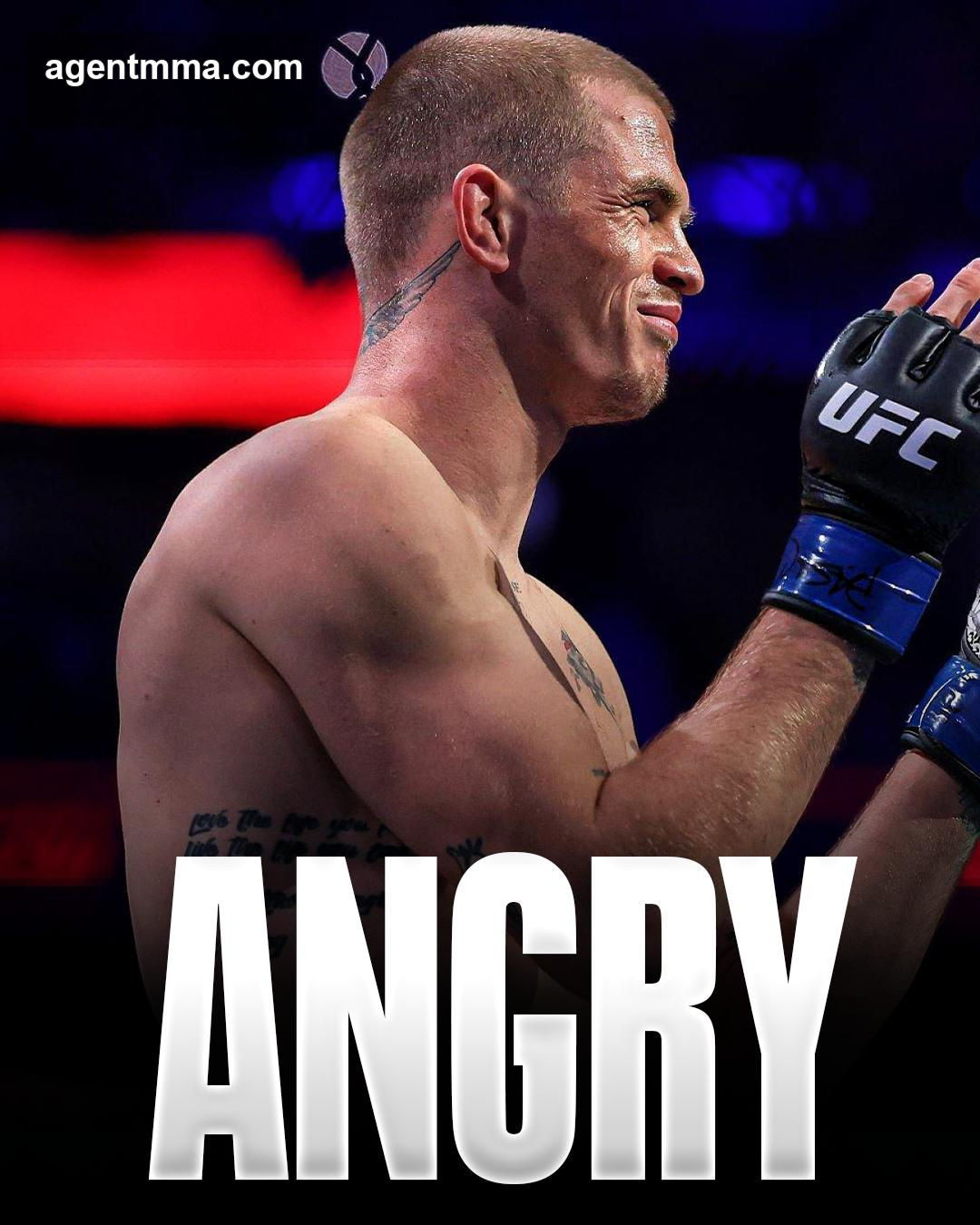

An extensive tactical breakdown examines whether Sean Strickland can effectively get back to his feet against Khamzat Chimaev's wrestling. The analysis notes that the first takedown will answer key questions about Strickland's ability to stand safely, fully break grips, return to distance, and force Chimaev to expend energy defending submissions and ground strikes. Multiple training partners and opponents offered insights: Luke Rockhold said Strickland is frustratingly difficult to hold down even though his grappling isn't exceptional; Jorge Masvidal witnessed Strickland working with heavyweights and said he's incredibly hard to control; Sharaf Davlatmurodov called him the most uncomfortable opponent personally, noting Strickland constantly trains with college wrestlers and excels at breaking wrist control and standing up through wrestling fundamentals rather than technical guard work. The analysis compares this to Dricus Du Plessis, who took Strickland down six times but couldn't hold him due to slow, awkward transitions, and to Kamaru Usman, who controlled Strickland for 4.5 minutes nine years ago in a different weight class. The author concludes that while Strickland likely cannot cleanly separate at the cage or center, he may be able to extract more energy from Chimaev than Du Plessis did, potentially forcing Chimaev to either risk more in grappling for a finish or transition to striking and tactical takedowns for a decision victory.
A detailed tactical breakdown published ahead of UFC 328 puts a spotlight on one of the fight's central questions: can Sean Strickland get back to his feet when Khamzat Chimaev takes him down?
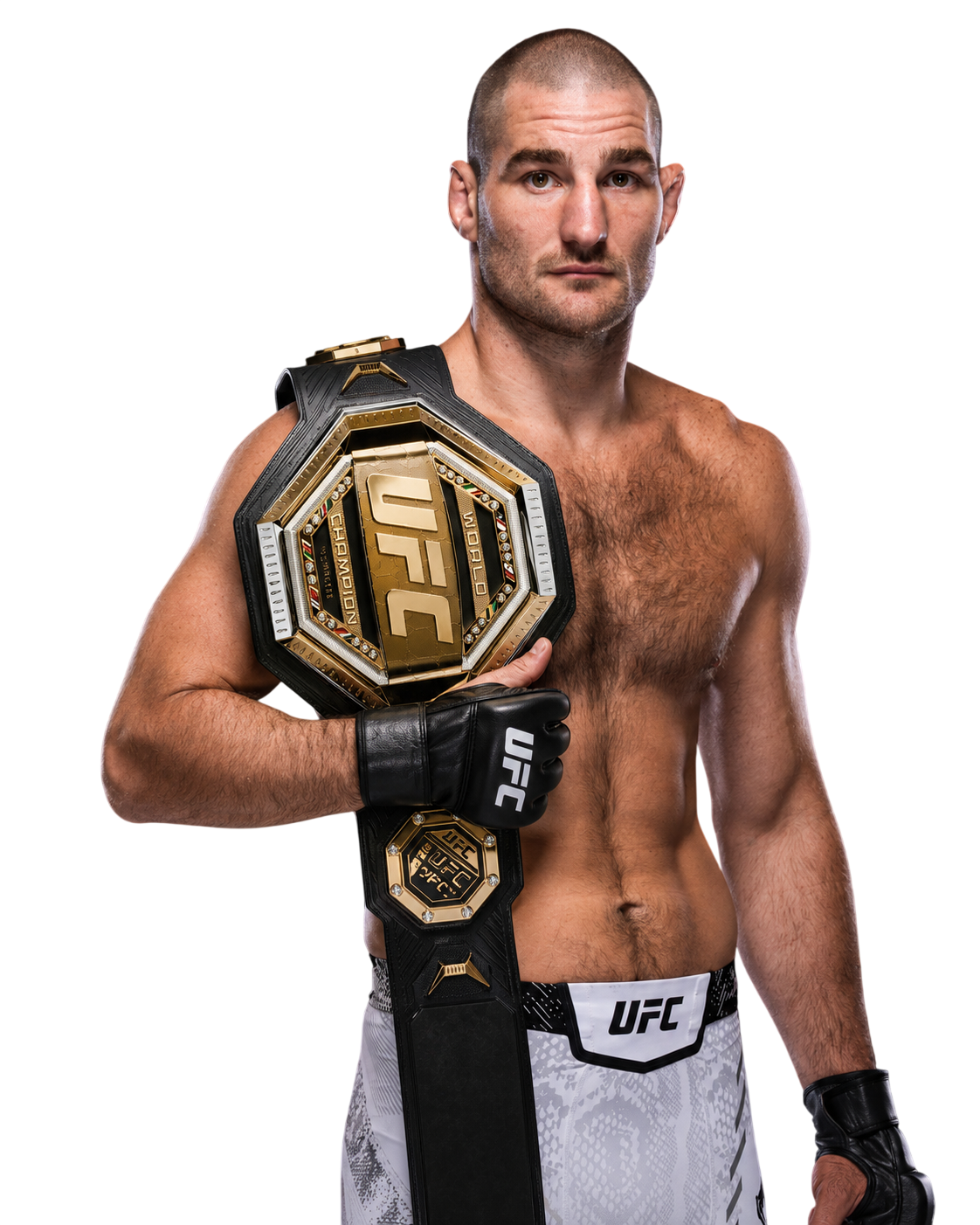
Strickland, 35, enters the bout as the reigning middleweight champion with a professional record of 31-7-0. Fighting out of Xtreme Couture in an orthodox stance, he lands 6.04 significant strikes per minute — one of the higher output figures in the division — though his 42 percent accuracy reflects the pressure-based, volume-heavy style he relies on. His grappling numbers are modest on paper, with just 0.71 takedowns and 0.2 submission attempts per 15 minutes, yet the analysis argues those figures undersell his ability to disengage from the mat.

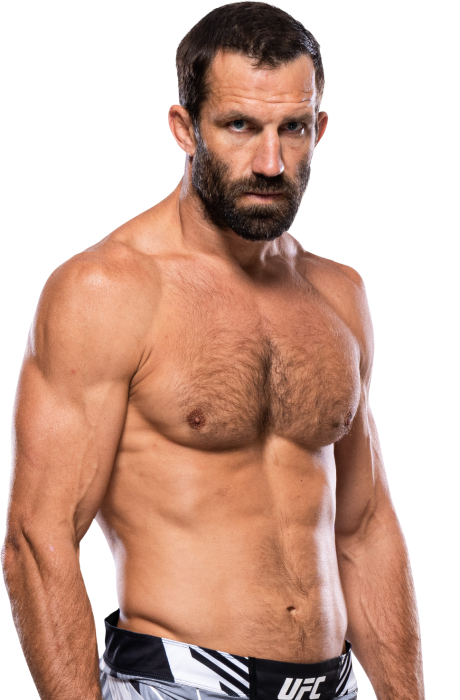
The breakdown draws on testimony from several of Strickland's training partners and past opponents. Luke Rockhold, the 41-year-old former champion with a 16-6-0 record, described Strickland as frustratingly difficult to hold down despite not being a technically refined grappler. Jorge Masvidal, who trained alongside him, said Strickland is remarkably hard to control even when working with heavyweight partners. Sharaf Davlatmurodov called him the most uncomfortable opponent he has personally faced, crediting Strickland's constant work with college wrestlers and his proficiency at breaking wrist control and standing up through fundamentals rather than guard technique.
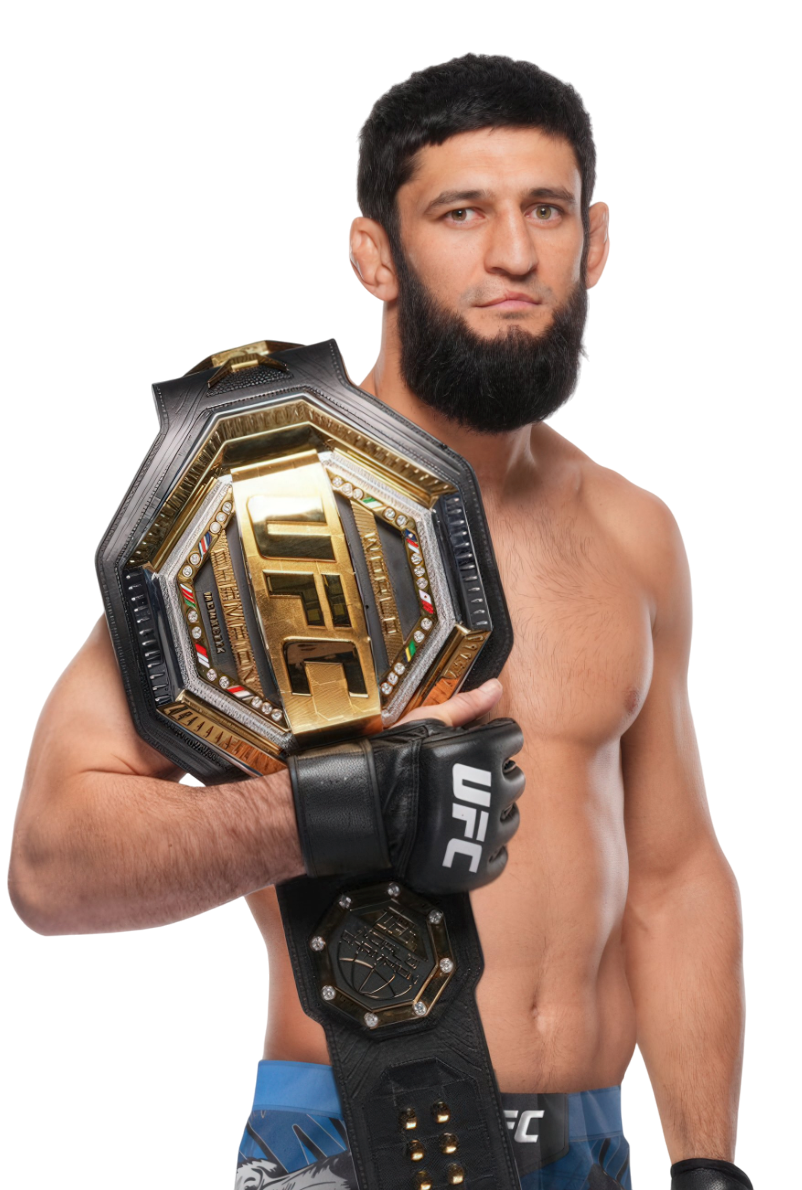
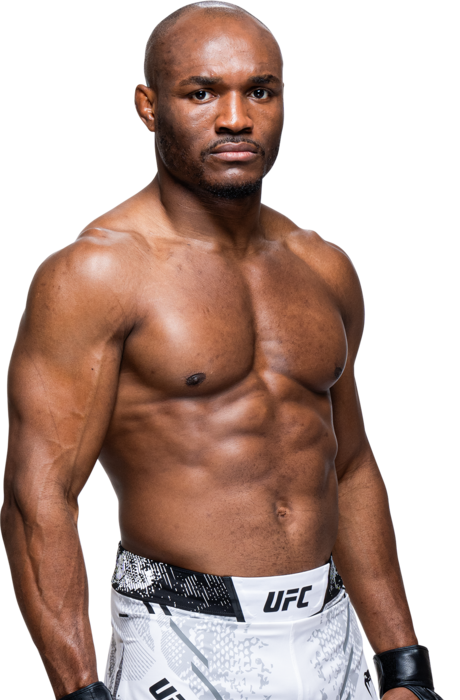
Two past bouts serve as reference points. Dricus Du Plessis, currently ranked second at middleweight with a 23-3-0 record, managed six takedowns against Strickland but struggled to do meaningful damage due to slow transitions. Kamaru Usman controlled Strickland for roughly four and a half minutes, though that came nine years ago in a different weight class.

Why it matters
- The first takedown of the fight is framed as a decisive indicator of whether Strickland can stand safely and return to distance
- If Strickland can drain Chimaev's energy on the mat more effectively than Du Plessis did, it could shift the fight's trajectory significantly
- Chimaev may face a choice between committing to a grappling finish or settling for tactical takedowns and a decision path
Saturday, May 9, 2026