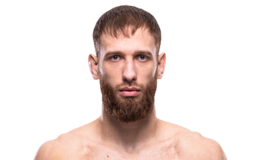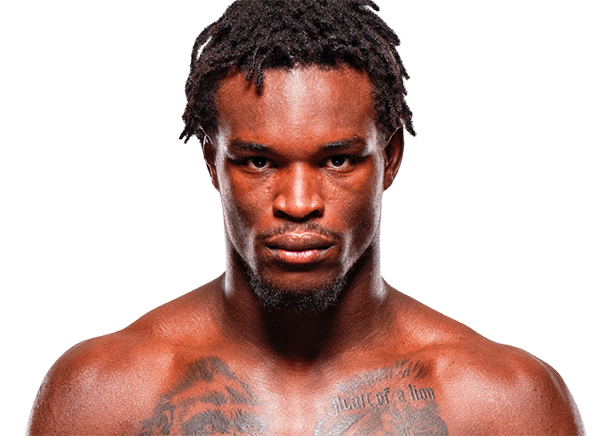
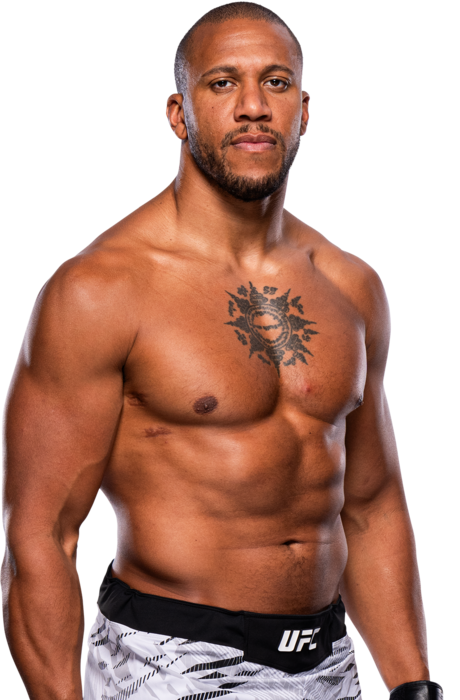
Commentary suggests Sean Strickland apologized for going too far when promoting his fight, but the damage to Khamzat Chimaev's aura remains. Despite Strickland's trash talk, Chimaev repeatedly extended his hand, smiled, and embraced his opponent, which would have looked better had he dominated in the octagon. Instead, Chimaev ended up on his back under Strickland in the second round. One theory proposed is that Chimaev was actually preparing for a light heavyweight debut at 93 kg, but plans changed at the last moment. This would explain his apparent cardio issues, as Chimaev was training under top-level sports scientists whose work should not have resulted in only one round of cardio. The analysis also covers other fights from the event, including comparisons of Pantoja-Taira to Moreno-Figueiredo and noting Volkov's consecutive close decision victories.
Commentary circulating after UFC 328 has floated an unconfirmed theory that Khamzat Chimaev may have been preparing for a light heavyweight debut at 93 kilograms before plans reportedly shifted at the last moment, leaving him to compete in a middleweight bout against Sean Strickland that did not go as expected.
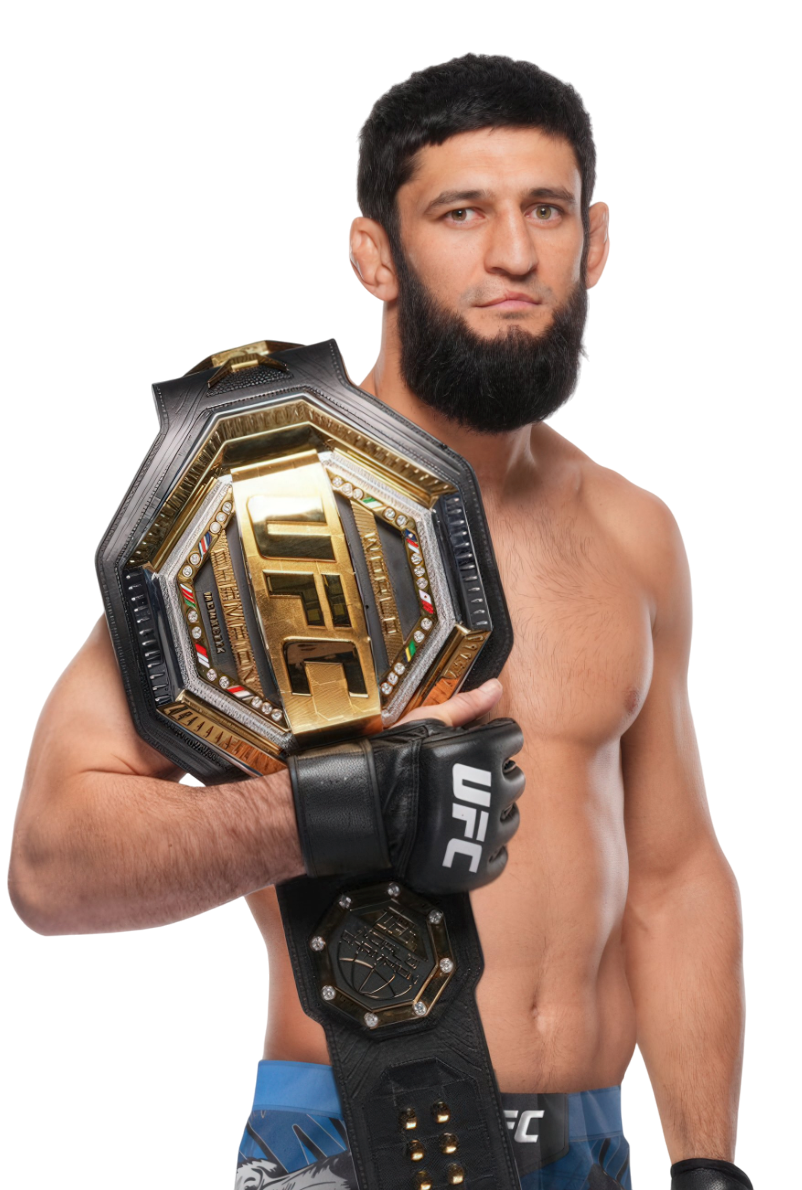
Chimaev's performance raised questions, particularly around his conditioning in the second round, when he found himself on his back underneath the reigning middleweight champion. The analysis suggests that if Chimaev had genuinely been training for a heavier division under top-level sports scientists, a sudden weight-class change could explain the apparent cardio problems — work of that caliber, the argument goes, should not produce only one competitive round.
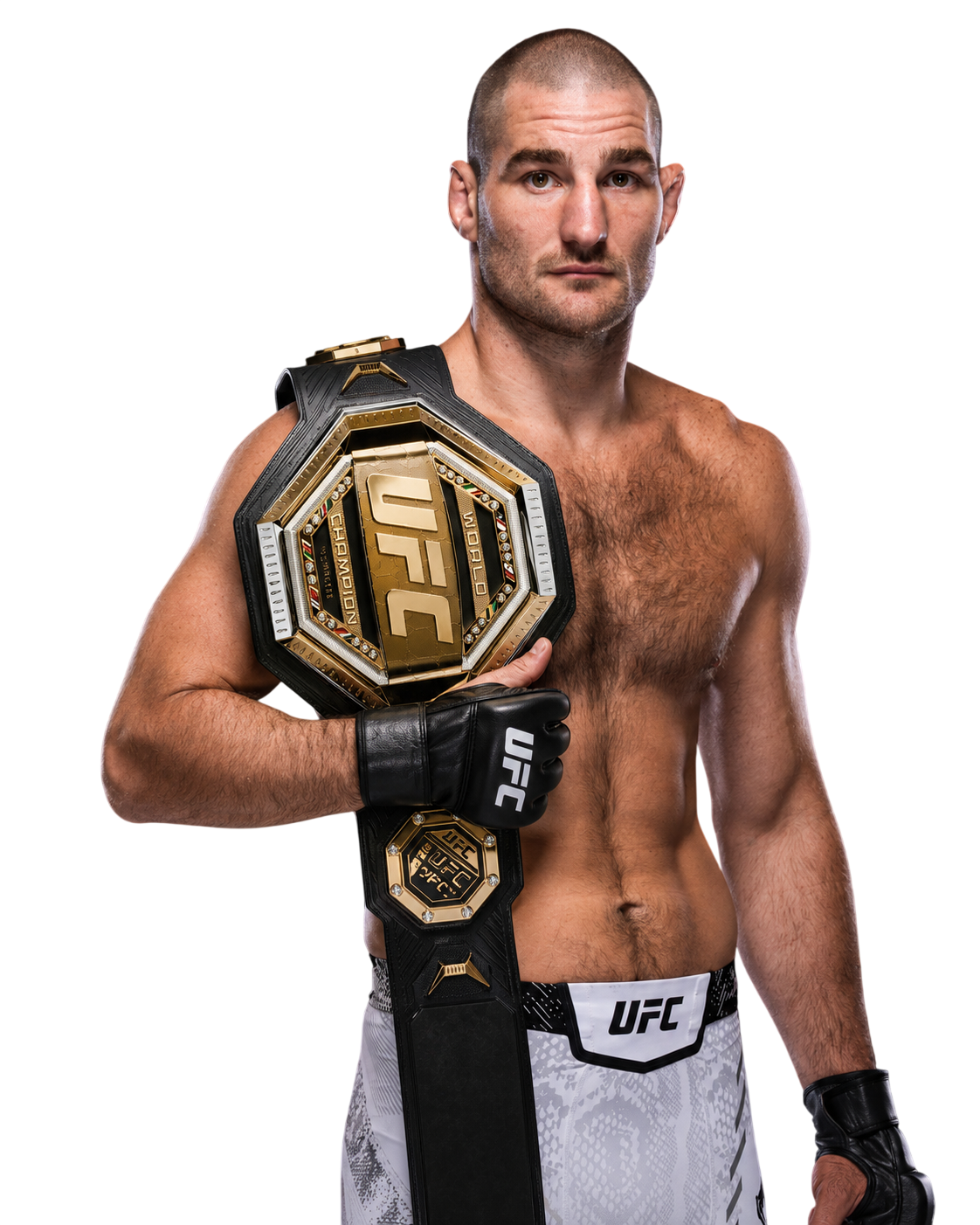
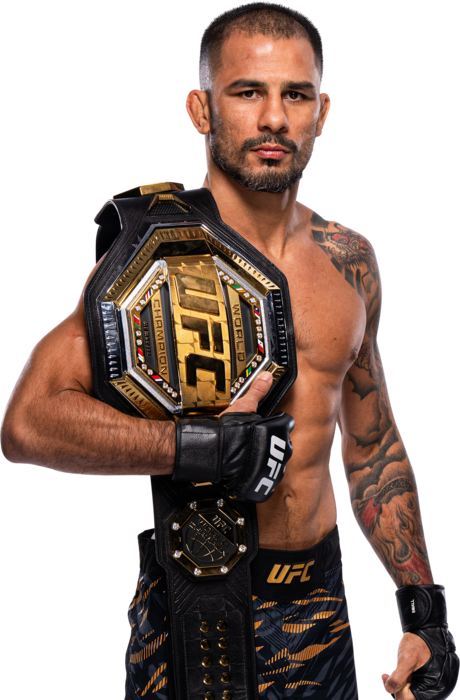
Strickland, 35, holds the middleweight title and carries a record of 31 wins and 7 losses. The American, who trains out of Xtreme Couture, lands 6.04 significant strikes per minute and works at a pace that demands sustained output from any opponent. Commentary noted he later acknowledged going too far during the pre-fight promotion, though observers argue the friction still left a mark on Chimaev's carefully maintained public image — his repeated handshakes and embraces during fight week would have read differently had he dominated inside the octagon.
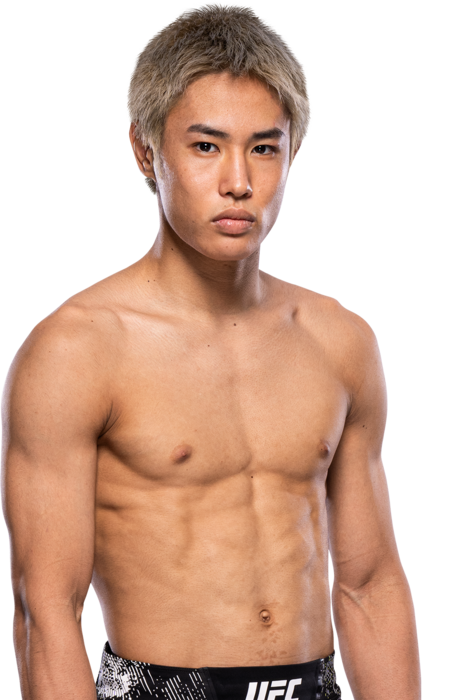
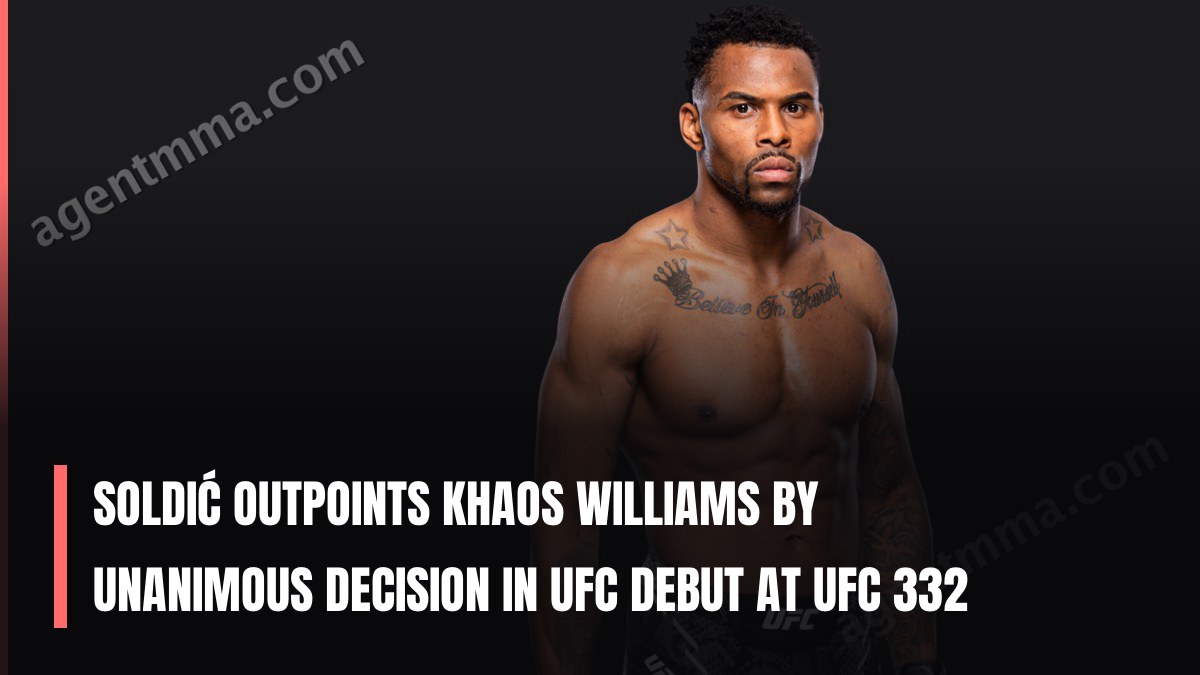
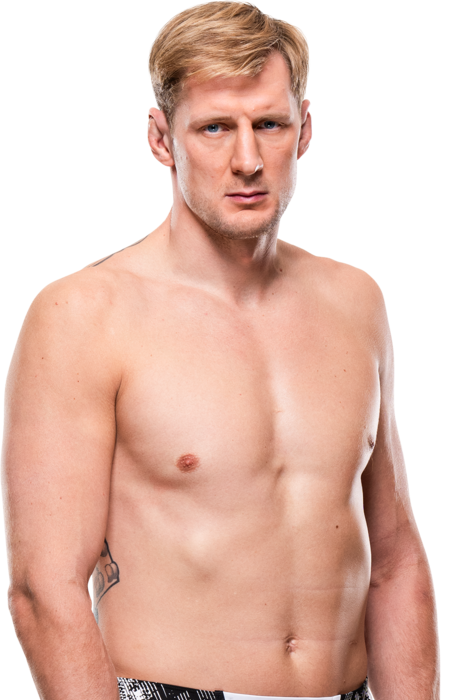
The event card also drew attention elsewhere. Alexander Volkov, the top-ranked heavyweight out of Russia, extended his record to 40 wins and 11 losses with another narrow decision victory, continuing a pattern of close judging outcomes for the six-foot-seven fighter. At flyweight, the Pantoja-Taira contest drew comparisons to the Moreno-Figueiredo rivalry for its competitive quality. Tatsuro Taira, ranked fifth at flyweight and just 26 years old, carries a 60 percent striking accuracy and averages over three takedowns per fifteen minutes, giving him a profile that invites those kinds of generational comparisons.
Why it matters
- The light heavyweight theory, if accurate, would reframe Chimaev's conditioning issues as circumstantial rather than a ceiling on his abilities
- Strickland's title defense adds further credibility to a reign built on relentless volume striking
- Volkov's back-to-back close decisions raise questions about his path to a heavyweight title shot despite holding the division's top ranking
Saturday, May 9, 2026