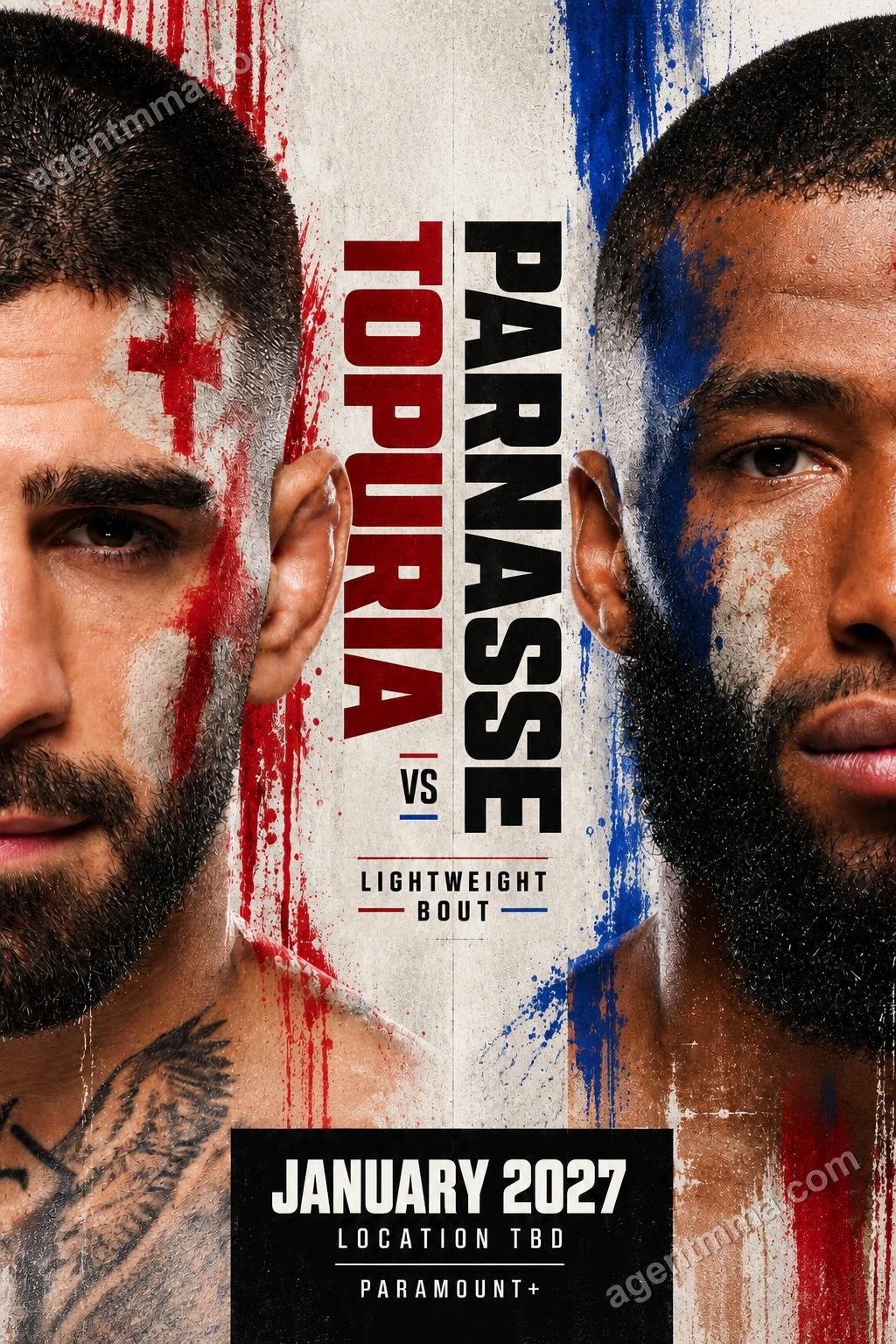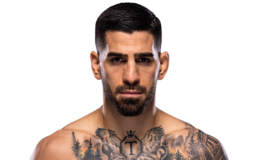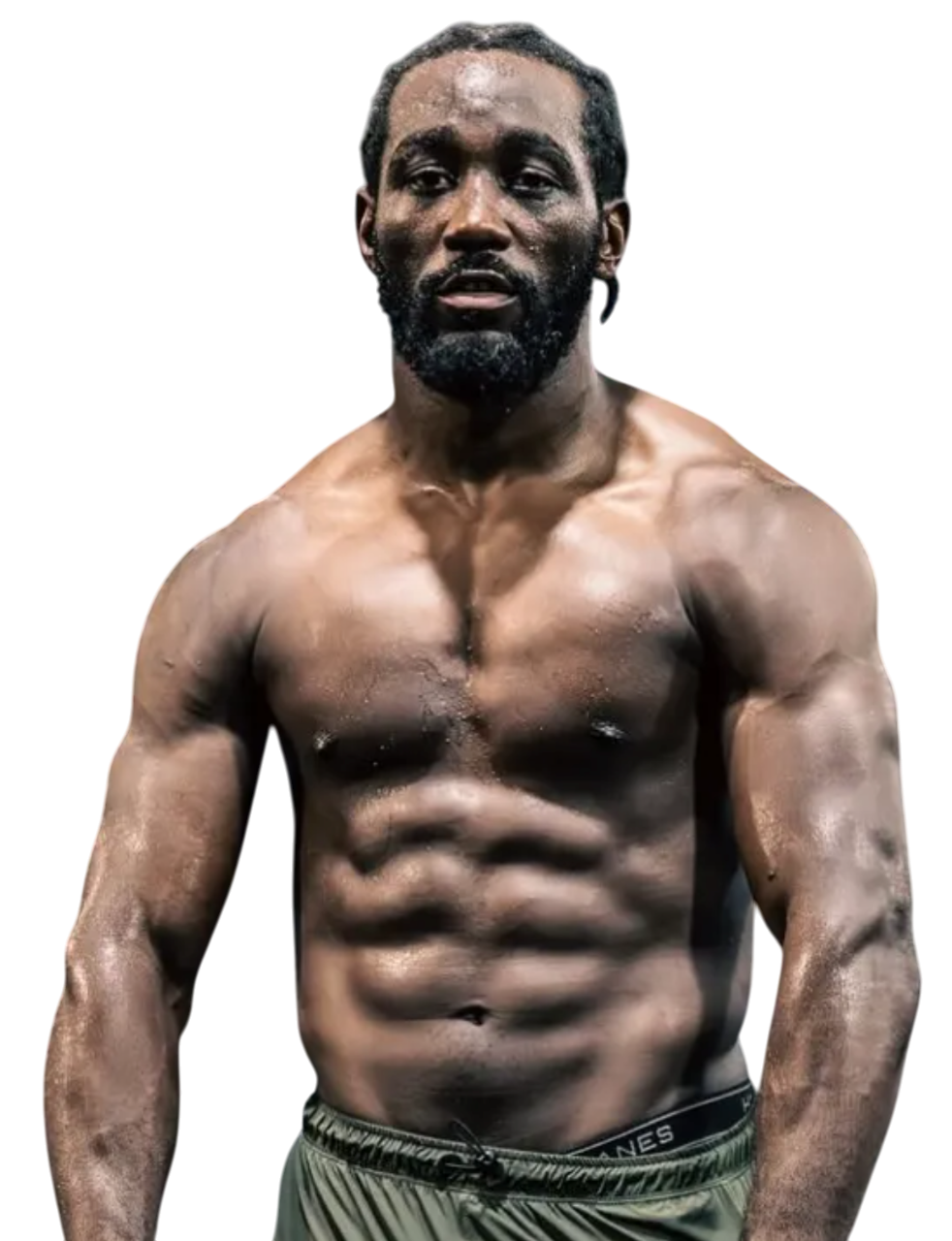
Ilia Topuria has revealed he is using an infrared neurostimulator device to improve focus, sleep, and mental recovery, describing the concentration boost as incomparable to any amount of caffeine. He also credited his physiotherapist Raul Valdesuso with relieving persistent shoulder heaviness using techniques sourced through AI tools, with the treatment delivering noticeable improvements in training performance.
Ilia Topuria has publicly detailed two cutting-edge recovery methods he is now incorporating into his training camp, offering a rare glimpse into the preparation routine of one of the sport's most closely watched fighters.
Topuria, ranked second in the lightweight division and first in the pound-for-pound standings, described his use of an infrared neurostimulator device that he says measurably enhances focus, sleep quality, and mental recovery. He stated the concentration benefit the device produces is incomparable to any amount of caffeine, framing it as a meaningful upgrade to his daily preparation.
The 29-year-old Spanish fighter, who competes out of Climent Club and carries a professional record of 17 wins and one loss, also credited his physiotherapist Raul Valdesuso with addressing persistent heaviness in his shoulder. Topuria explained that Valdesuso sourced the treatment techniques through AI tools, and that the results have translated into noticeable improvements during training sessions.

At five-foot-seven with a 69-inch reach, Topuria is a physically compact lightweight who generates significant output, averaging 4.81 significant strikes landed per minute at 48 percent accuracy. He also contributes on the grappling side, averaging 1.96 takedowns per 15 minutes alongside 1.1 submission attempts per 15 minutes, making his overall conditioning demands across multiple skill sets considerable.
Why it matters
- As the pound-for-pound number-one contender, any edge Topuria finds in recovery and mental sharpness carries outsized implications for the lightweight division.
- The shoulder issue, now apparently managed, had been a persistent training concern; its resolution could affect his grappling and striking output.
- His openness about neurostimulation and AI-assisted physiotherapy reflects a broader shift in how elite fighters are approaching sports science at the highest level.