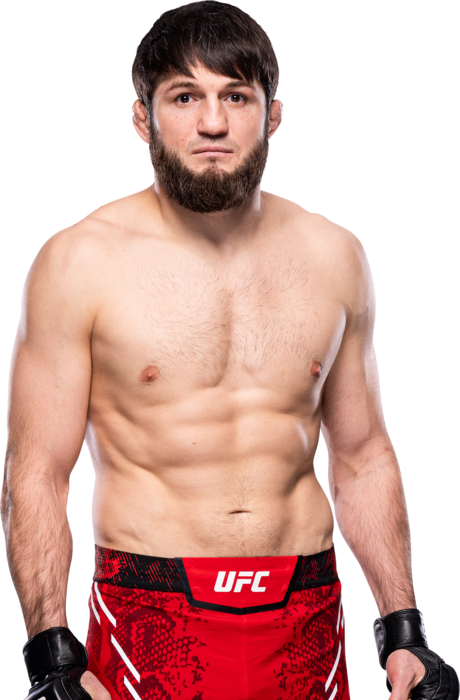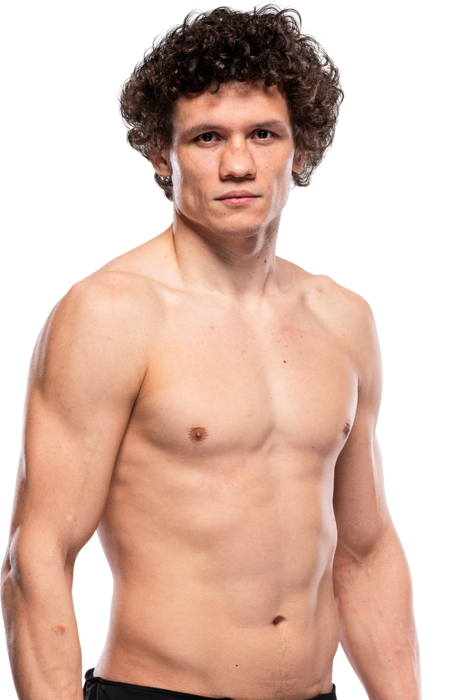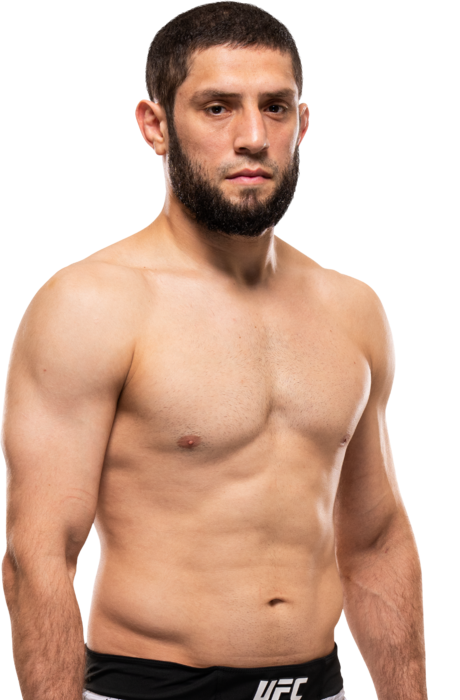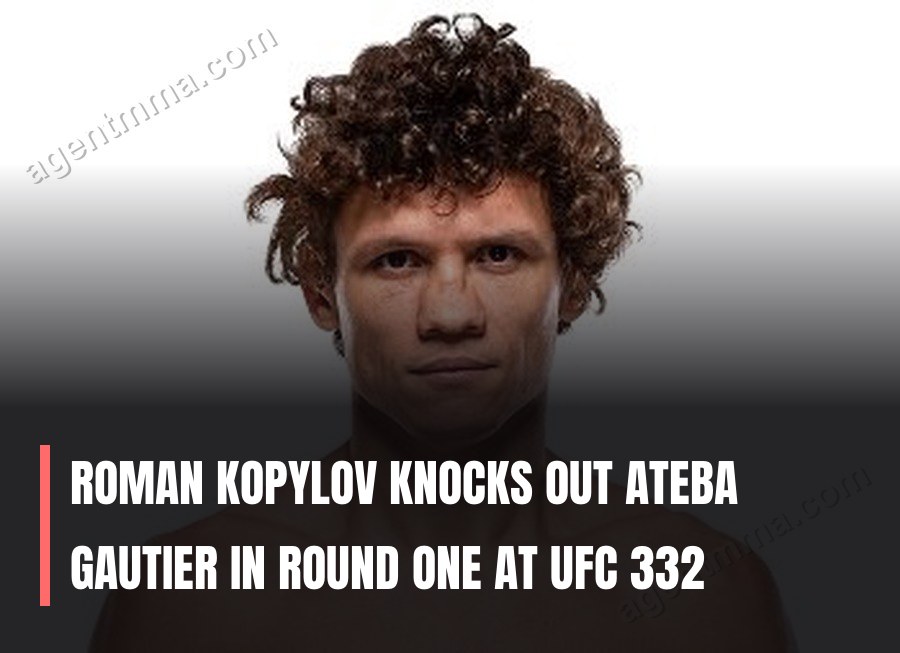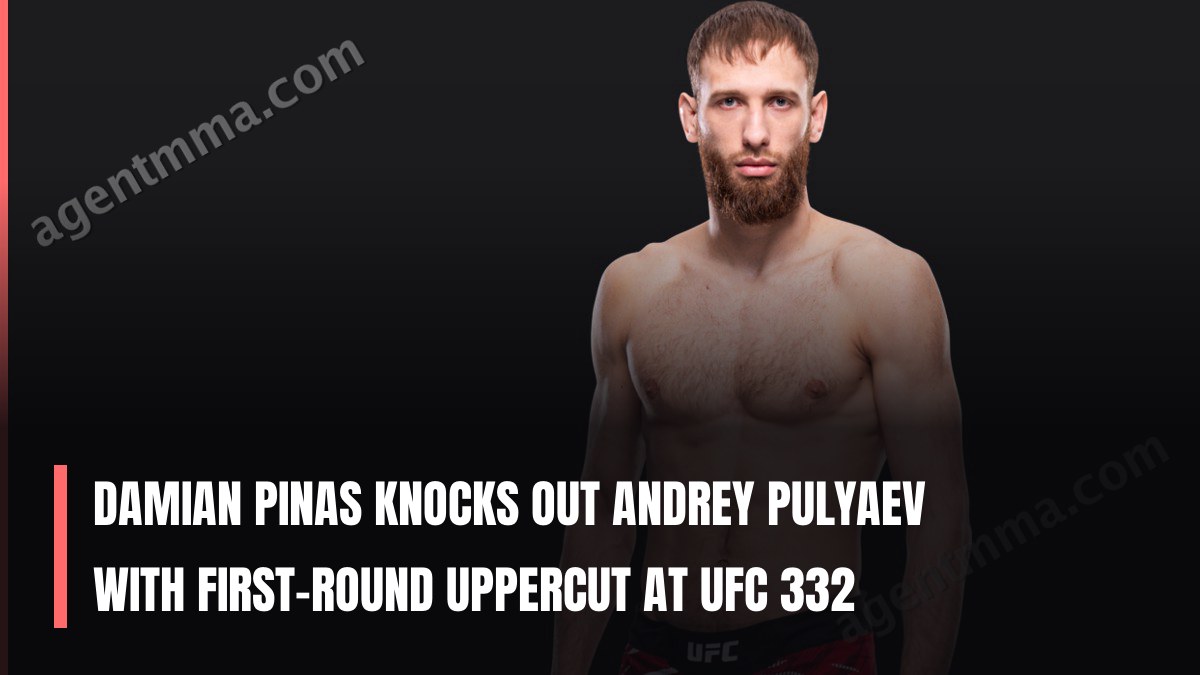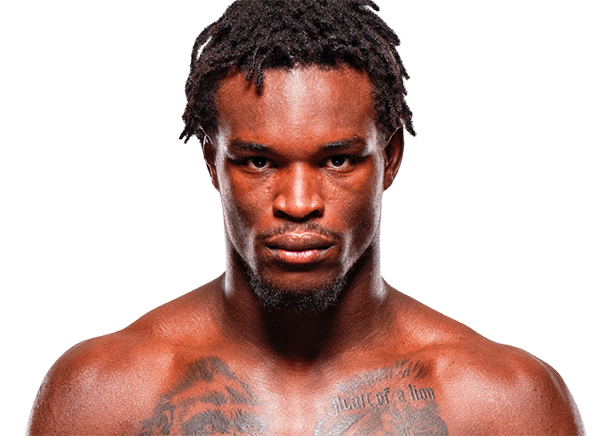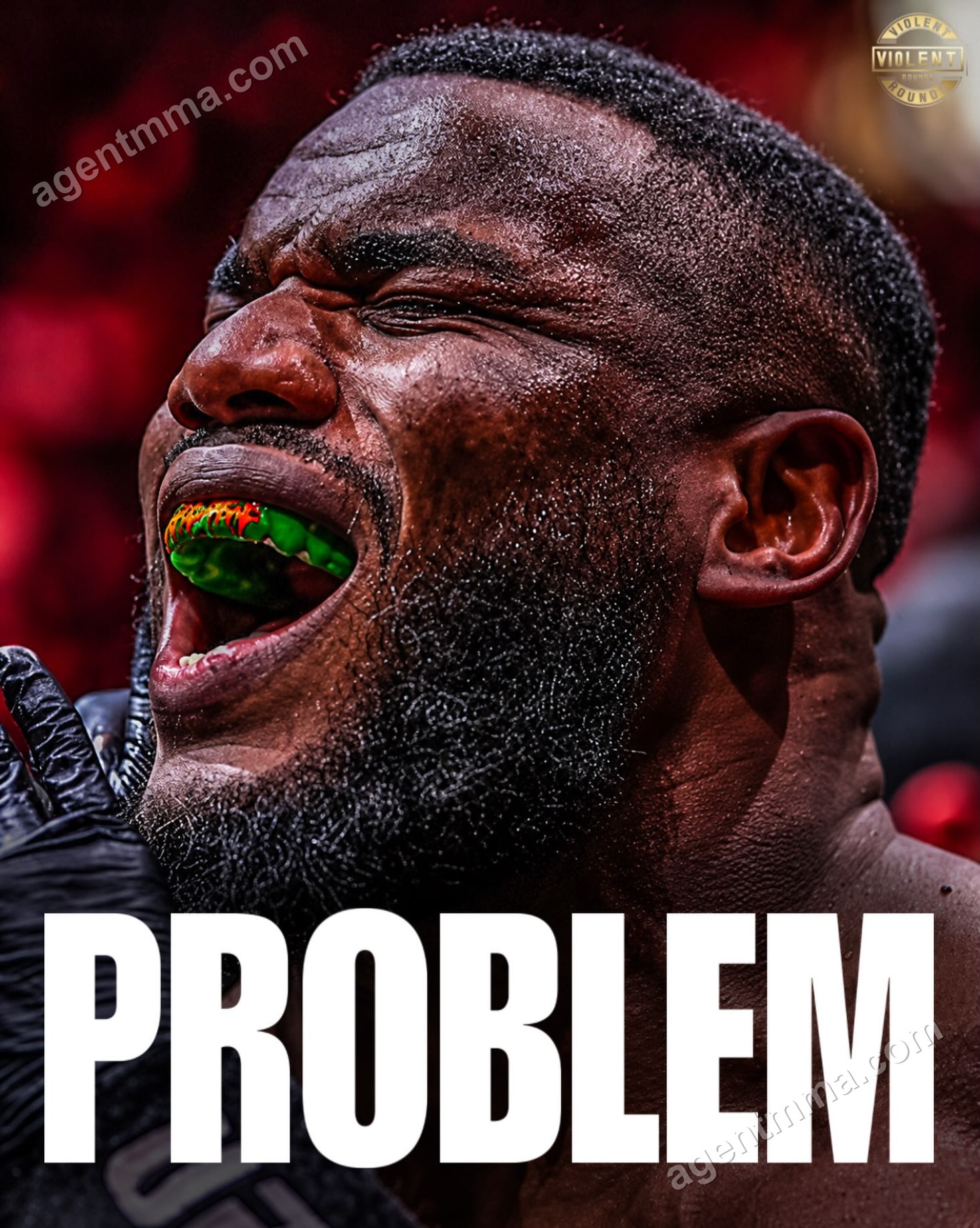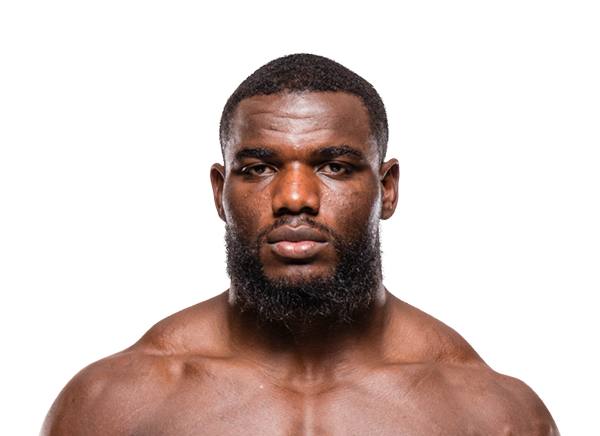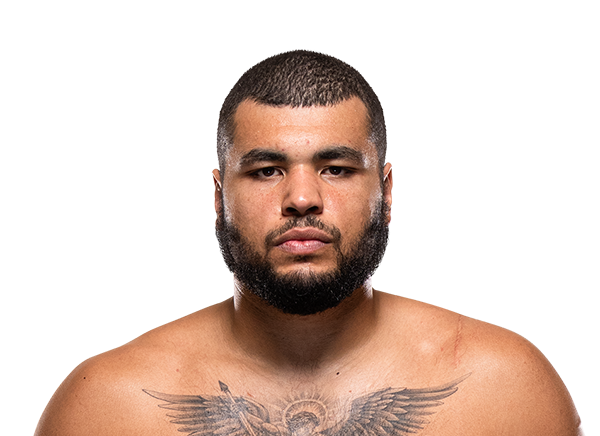
The UFC middleweight division features 14 fighters who speak Russian fluently, making it the most Russian-speaking weight class in the organization. Among them are Khamzat Chimaev, Nassurdine Imavov, Abubakar Vagaev, Ikram Aliskerov, Roman Dolidze, Shara Bullet, Abus Magomedov, Roman Kopylov, Baysangur Chamsouev, Aliaskhab Khizriev, Ismail Naurdiev, Azamat Bekoev, Andrei Pulyaev, and Magomedrasul Gasanov. Nursulton Ruziboyev also understands Russian but speaks it poorly.
The UFC middleweight division has quietly become the most Russian-speaking weight class in the organization, with 14 rostered fighters who are fluent in the language — and one more, Nursulton Ruziboyev, who understands it but speaks it only at a basic level.
The group spans a wide range of nationalities and backgrounds but shares a common linguistic thread running through post-Soviet combat sports culture. Among the 14 are Khamzat Chimaev, Nassurdine Imavov, Abubakar Vagaev, Ikram Aliskerov, Roman Dolidze, Shara Bullet, Abus Magomedov, Roman Kopylov, Baysangur Chamsouev, Aliaskhab Khizriev, Ismail Naurdiev, Azamat Bekoev, Andrei Pulyaev, and Magomedrasul Gasanov.
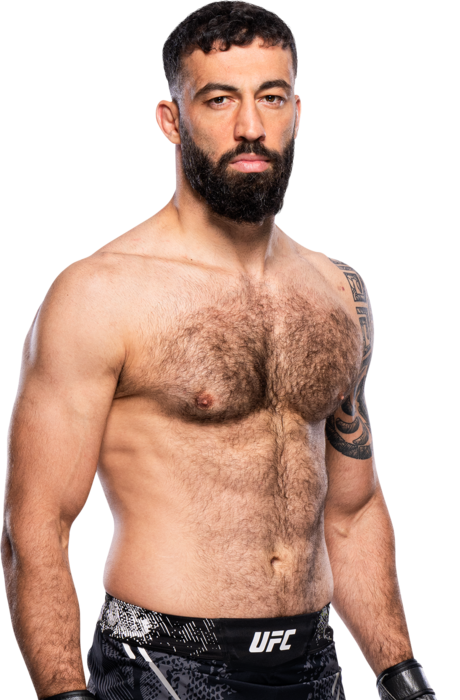
Roman Dolidze, the Georgian fighter currently ranked twelfth in the division, represents one of the more established names on the list. The 37-year-old trains out of Xtreme Couture, carries a 15-5 record, and brings a well-rounded game with 1.16 takedowns per 15 minutes and a six-foot-two frame paired with a 76-inch reach.
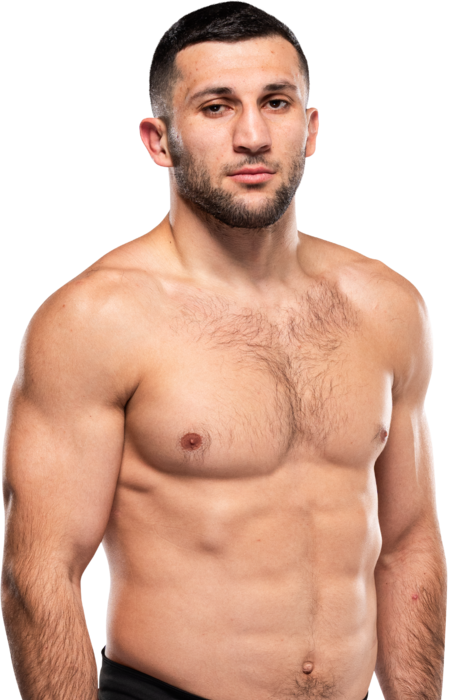
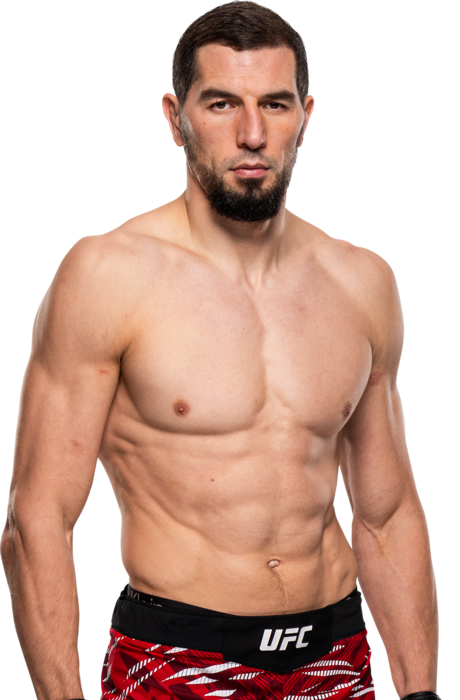
Abus Magomedov brings one of the longer resumes in the group, holding a 29-7-1 record at 35 years old. The six-foot-two orthodox fighter posts a striking accuracy of 49 percent alongside 2.61 takedowns per 15 minutes, combining volume with consistent wrestling pressure.
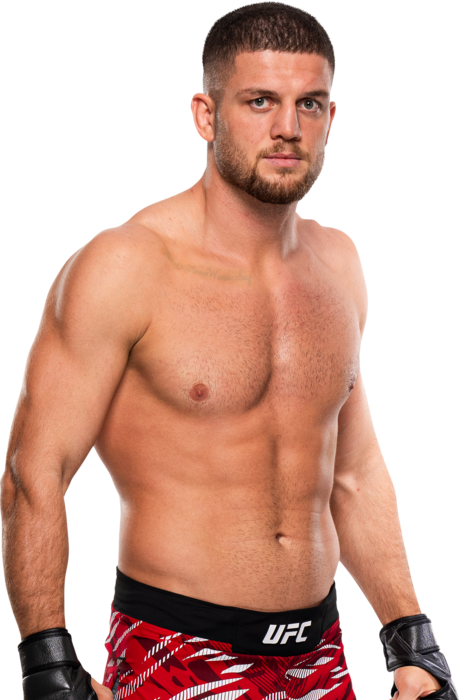
Azamat Bekoev, nicknamed Iron and representing Russia through American Top Team, is the youngest of the three at 30. His numbers stand out — 4.57 significant strikes landed per minute at 52 percent accuracy, complemented by 3.48 takedowns per 15 minutes — making him one of the more statistically active fighters in the division.
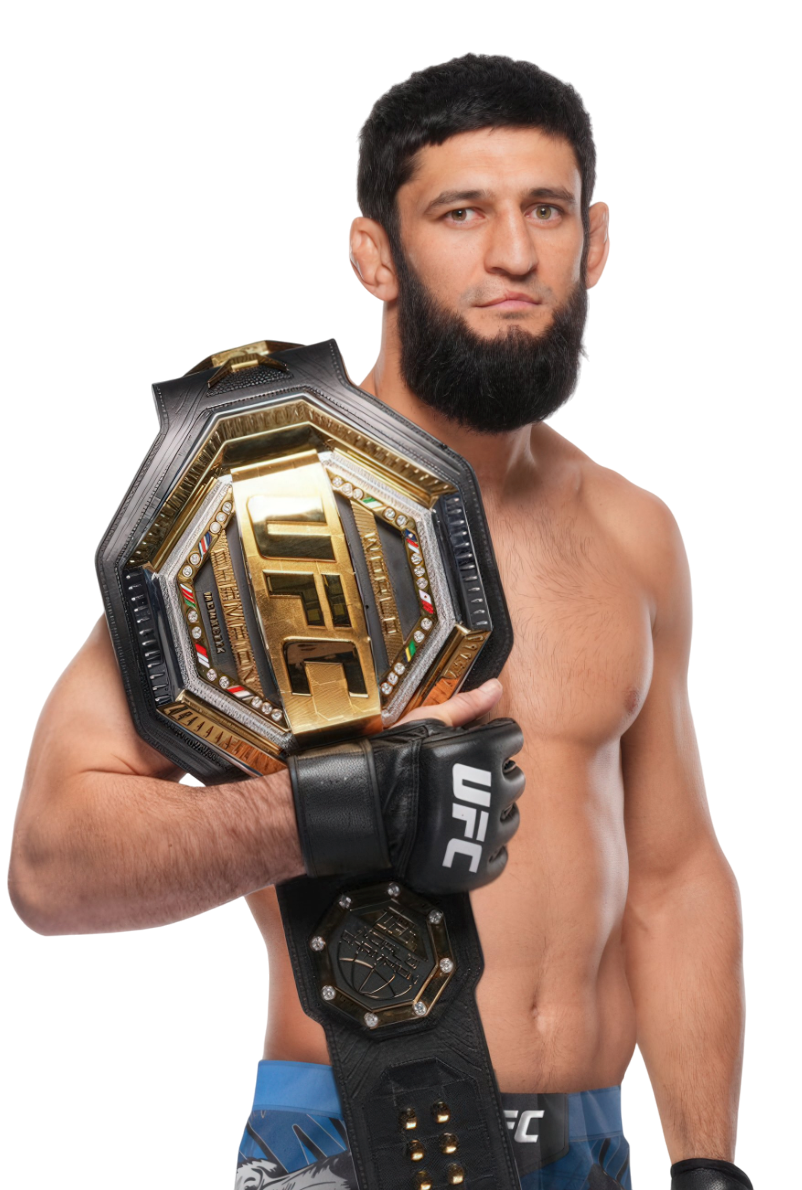
Why it matters
- The middleweight division now holds a significant cultural and linguistic bloc that could shape matchmaking and regional fan interest
- Several fighters in this group are ranked or pushing toward ranked positions, meaning Russian-speaker versus Russian-speaker bouts are increasingly likely
- The concentration reflects the broader pipeline from post-Soviet combat sports academies into elite MMA competition