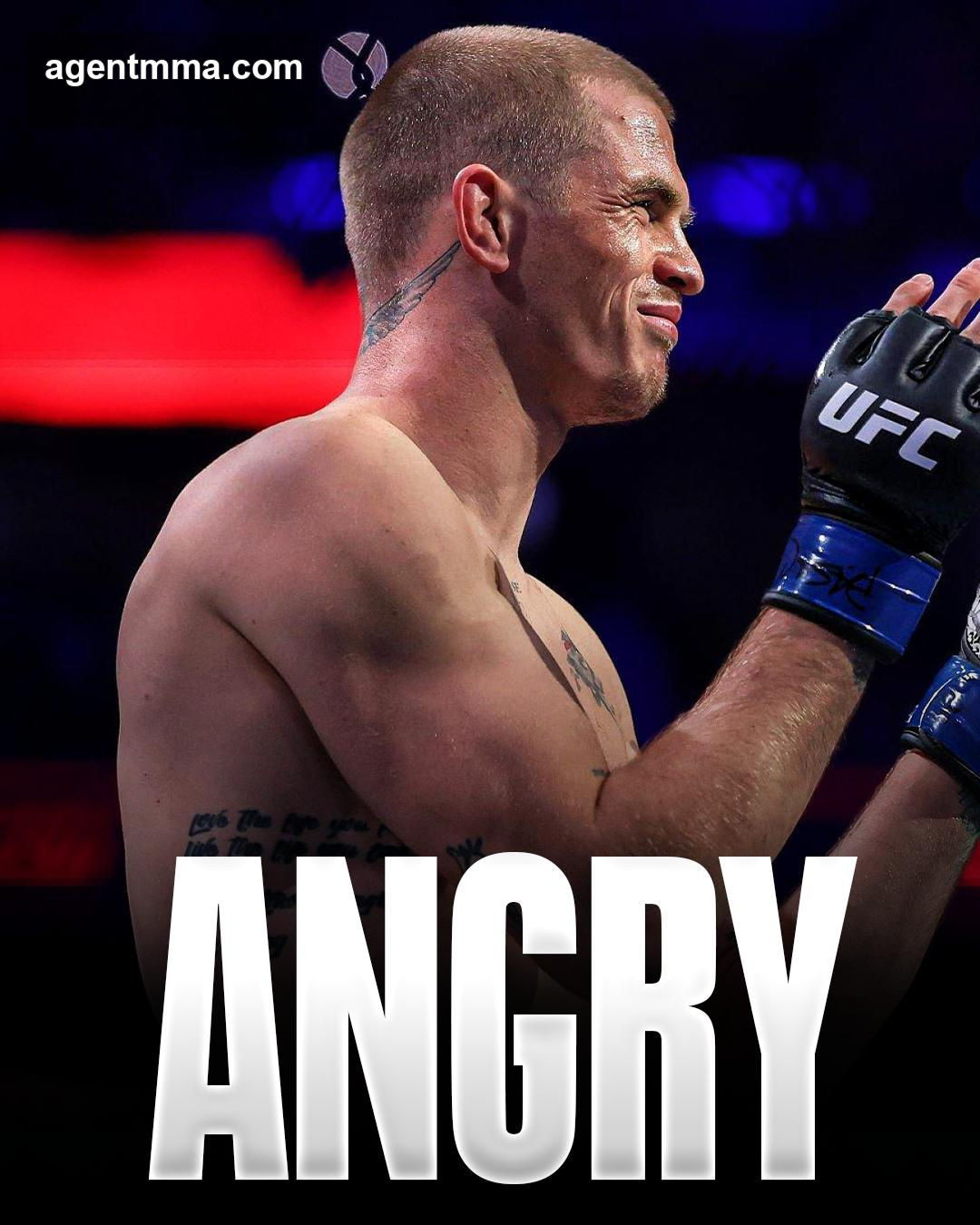

Valter Walker issued a fierce warning to Josh Hokit after Hokit made disparaging remarks about Walker's home country. Walker promised to make an example of Hokit and stated he would not release a leg break submission even if Hokit tapped.
Valter Walker has issued a stark and personal threat to Josh Hokit following remarks Hokit reportedly made about Walker's home country of Brazil, with the Brazilian submission specialist vowing to cause serious physical harm if the two ever meet inside the cage.
Walker, who fights out of Gor MMA, carries a 15-1 record and has built a reputation as one of the more dangerous grapplers in his division. The 28-year-old stands six-foot-six with a 78-inch reach and brings a relentless ground attack, averaging 5.74 takedowns per 15 minutes alongside 2.5 submission attempts in the same span. His striking is no afterthought either, with a 52 percent accuracy rate that makes him a credible threat on the feet under his "The Clean Monster" nickname.

Hokit, known as "The Incredible Hok," enters the picture as an undefeated prospect at 5-0-0, also 28 years old. His professional record remains unblemished, though verified statistical data on his output is limited at this stage of his career.
The confrontation escalated quickly after Hokit's comments about Brazil prompted Walker to go public with a warning that went beyond standard fight promotion. Walker stated he intended to make an example of Hokit and, in an alarming declaration, said he would refuse to release a leg break submission even after a tap. The statement crosses well beyond typical pre-fight trash talk into explicit territory that will draw attention from athletic commissions and promoters alike.

Why it matters
- Walker's grappling volume makes a leg lock finish a credible and specific threat, not idle boasting
- Hokit's undefeated record means a loss here would be a significant derailment of his early momentum
- The nationalist dimension of the callout adds a personal edge that could accelerate a matchmaking decision
- Walker's explicit refusal-to-release claim raises potential regulatory and safety concerns if a bout is sanctioned