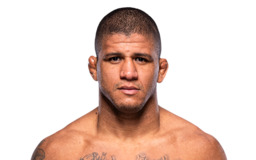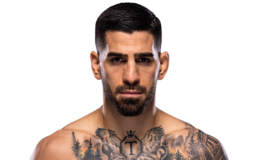

A detailed technical analysis has examined Khabib Nurmagomedov's often-overlooked boxing skills, particularly his jab and mid-range striking. Justin Gaethje previously praised Khabib's jab, noting its effectiveness due to his level-change threats forcing opponents to constantly adjust their positioning. Statistical breakdowns of Khabib's final five UFC fights show he landed 11 hard jabs against Gaethje, 6 against McGregor, 40 against Al Iaquinta, 15 against Edson Barboza, and 3 against Dustin Poirier. The analysis used a flexible scoring system for significant mid-range strikes and concluded that Khabib won or matched his opponents on the feet in four of five fights: dominating Barboza 25-11, overwhelming Iaquinta 77-23, slightly losing to McGregor 16-19, tying Poirier 6-6, and edging Gaethje 14-12.25. The piece argues that Khabib's striking skill was essential to his wrestling success, as he needed to close distance safely and effectively pressure opponents toward the cage where his grappling was strongest. The analysis concludes by speculating that Khabib would have dominated the welterweight division against fighters like Woodley, Covington, Edwards, Masvidal, and Thompson.
A detailed technical breakdown published this week has made the case that Khabib Nurmagomedov's boxing abilities — particularly his jab — were far more developed than his reputation as a pure grappler ever suggested.

Khabib, 37, retired with a perfect 29-0 record fighting out of Russia under the Fightspirit Team banner. The lightweight champion stood five-foot-ten with a 70-inch reach and posted a striking accuracy of 48 percent across his career, landing 4.1 significant strikes per minute — numbers that sit comfortably alongside dedicated strikers in the division. His elite calling card remained his takedown rate, an extraordinary 5.32 per 15 minutes, but the new analysis argues his striking was never incidental to that success.

The piece tracked hard jabs across Khabib's final five UFC bouts, finding he landed 40 against Al Iaquinta, 15 against Edson Barboza, 11 against Justin Gaethje, six against Conor McGregor, and three against Dustin Poirier. Using a broader scoring system for significant mid-range output, the breakdown credited Khabib with winning or matching opponents on the feet in four of those five contests — dominating Iaquinta 77-23 and Barboza 25-11, tying Poirier 6-6, edging Gaethje 14-12.25, and narrowly losing to McGregor 16-19.

Gaethje himself is cited in the analysis as having praised Khabib's jab specifically, noting that his constant level-change threats forced opponents to split their attention and disrupted their defensive positioning, making the punch more effective than it appeared in isolation.
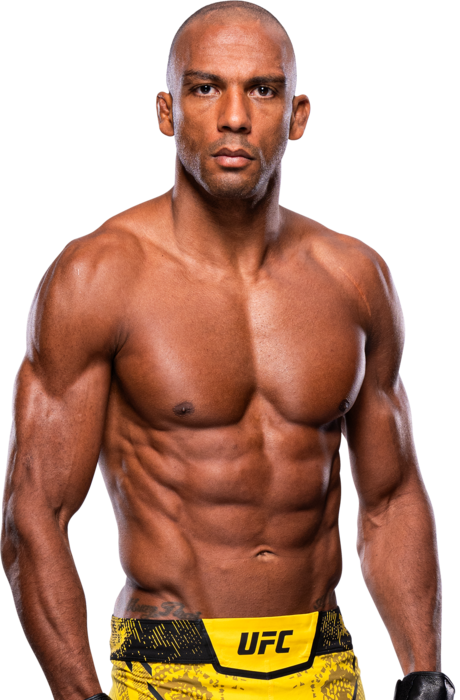
The central argument is that Khabib's striking was structurally necessary rather than decorative. Closing distance safely, controlling mid-range exchanges, and herding opponents toward the cage were all prerequisites to deploying his grappling — and his boxing, the analysis contends, is what made each of those steps possible.

Why it matters
- Reframes Khabib's legacy beyond wrestling, crediting striking as a core tactical tool
- Jab numbers across five fights provide a rare quantitative look at his mid-range output
- Raises questions about how striking-focused analyses should weight level-change threats when scoring stand-up exchanges