
Zhalgasbek Zhumagulov recorded the first knockout victory of his career, with his elder son attending the fight. A video interview with Sergey Morozov was released discussing the knockout. The conversation covered topics including a potential return to the UFC, issues in modern pop MMA culture, and problems facing young fighters. Zhumagulov's career milestone represents a significant development in his fighting style. The post recommends viewers watch the full interview for additional details.
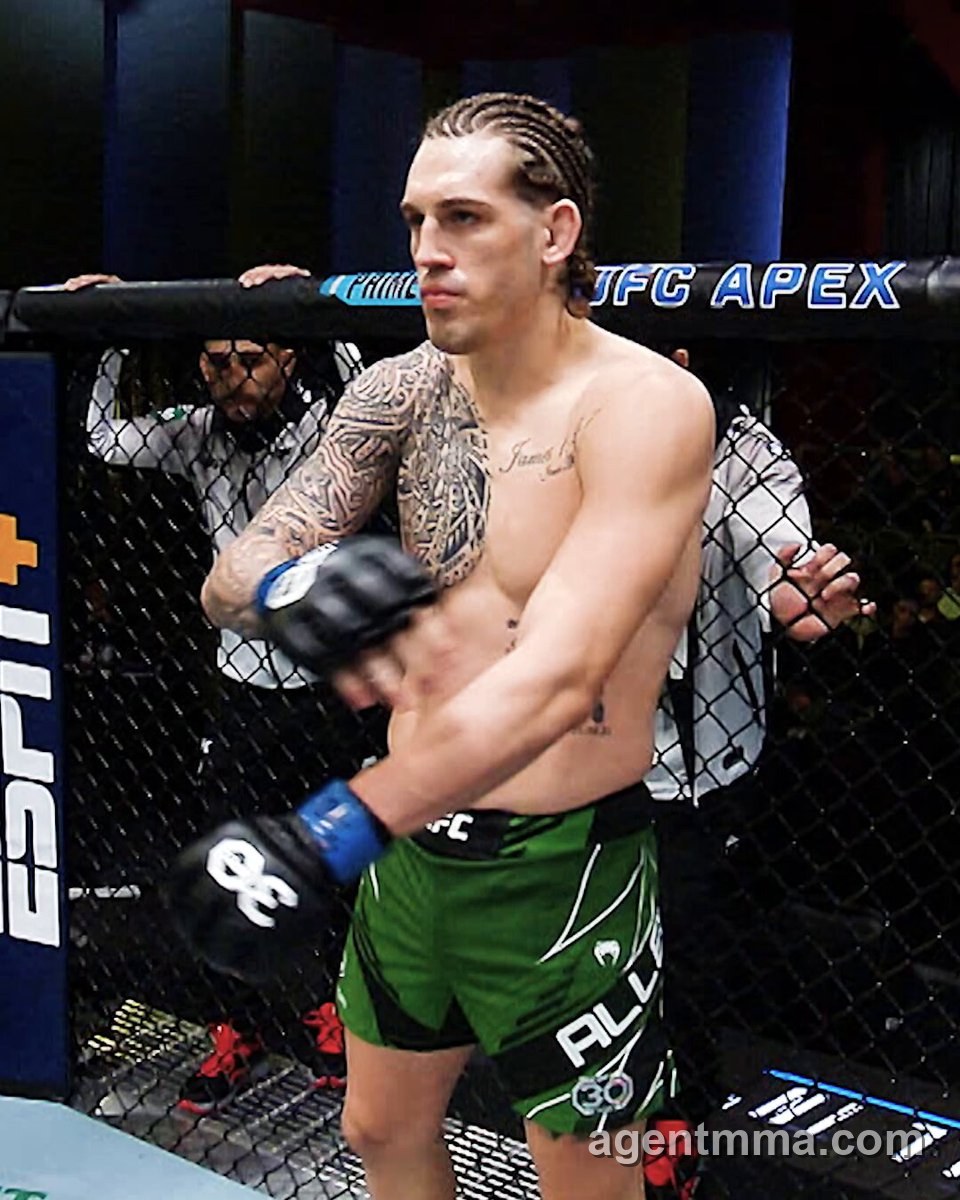
Zhalgasbek Zhumagulov has achieved a landmark moment in his fighting career, landing the first knockout victory of his professional life in a bout that also carried personal significance — his elder son was ringside to witness it.
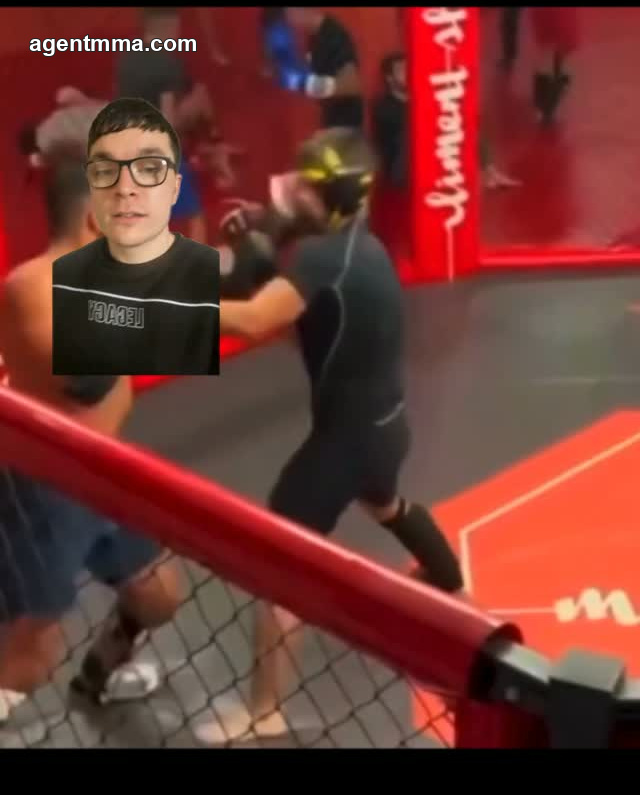
Details of the finish and the opponent involved are not specified in available reporting, but the milestone marks a notable evolution in Zhumagulov's style as a fighter. Following the victory, a video interview featuring fellow Kazakhstani fighter Sergey Morozov was released, with the two discussing the knockout and a range of wider topics connected to the sport.
Morozov, 37, brings considerable credibility to that kind of conversation. The orthodox striker holds a professional record of 19-5 and trains out of American Top Team. Standing five-foot-six with a 67-inch reach, he has built his UFC career on a well-rounded offensive game, averaging 3.01 significant strikes per minute at 43 percent accuracy while also posing a consistent grappling threat at 3.63 takedowns per 15 minutes.
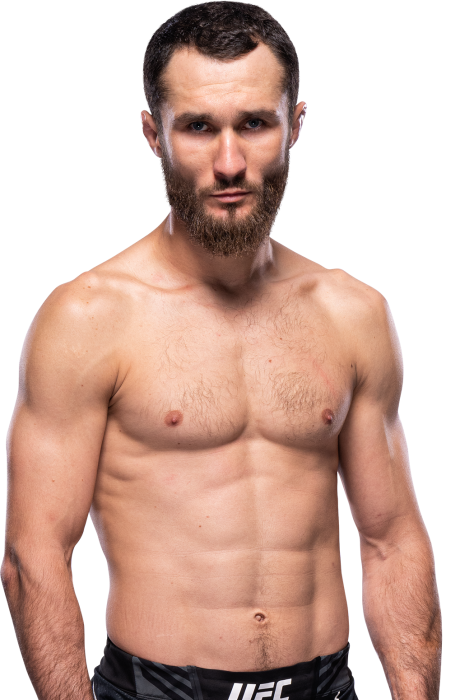
The interview covered Zhumagulov's prospects for a return to the UFC, concerns about the rise of pop MMA culture, and the specific challenges young fighters face navigating the sport today.
Why it matters
- Zhumagulov recording his first career knockout signals potential growth in his finishing ability, a development that could strengthen any UFC return case.
- Morozov's involvement lends the discussion weight given his active experience competing at the highest level of the flyweight and bantamweight divisions.
- The critique of pop MMA reflects a broader conversation within the sport about the direction of combat sports entertainment and its impact on emerging talent.