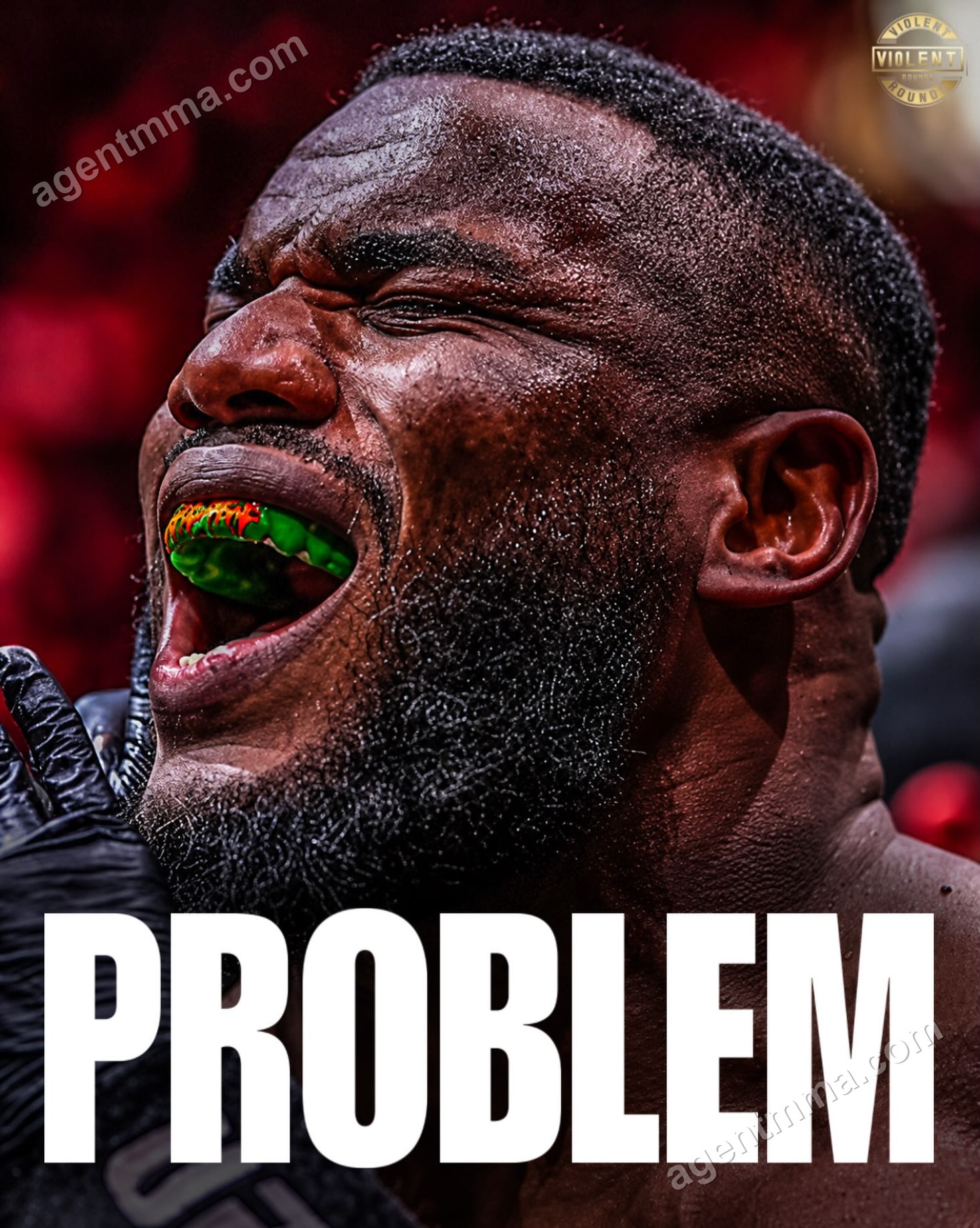

Zaur Gadzhiev and/or members of his team physically confronted Eduard Vartanyan before a fight, slapping him on the back of the head. Despite the incident, Gadzhiev will not be expelled from the league. Magomed Bubulatov stated that he had a stern conversation with Gadzhiev about the behavior. The post suggests this was an inappropriate pre-fight incident that warranted discipline but stopped short of removal from the promotion. The altercation adds controversy to the event and raises questions about fighter conduct standards.
A physical altercation involving Zaur Gadzhiev and Eduard Vartanyan took place before a bout at a recent ACA event, with Gadzhiev or members of his team reportedly slapping Vartanyan on the back of the head in what the promotion described as an inappropriate pre-fight incident.
Despite the seriousness of the conduct, Gadzhiev will not be expelled from ACA. Magomed Bubulatov, who addressed the situation on behalf of the organization, stated that he held a stern conversation with Gadzhiev regarding the behavior, stopping short of handing down a removal from the promotion.
Why it matters
- The incident raises questions about fighter conduct standards and how promotions enforce discipline ahead of bouts.
- ACA's decision to retain Gadzhiev while publicly acknowledging the misconduct signals a warning-level response rather than a punitive one.
- The altercation adds a layer of controversy to the event and puts the promotion's internal disciplinary process under scrutiny.
The episode draws attention to a broader challenge for combat sports organizations: balancing competitive tensions that naturally run high in fight week environments against the need to maintain professional conduct standards. Physical contact directed at an opponent before a sanctioned bout crosses a clear line, and Bubulatov's public acknowledgment suggests the organization recognized the severity even as it opted against the most severe available consequence. How ACA handles any repeat conduct from those involved will likely determine whether the warning carries meaningful weight going forward.