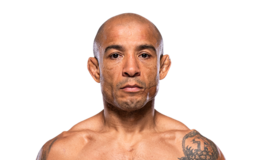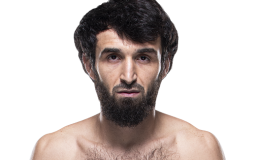

MMA analyst Kalugin responded to Vlad Matveev's top 10 greatest UFC fighters list, arguing that several criteria were overlooked. Kalugin proposed adding metrics including contribution to MMA popularization, peak form assessment, fight dominance, commercial impact, and records. Based on these expanded criteria, Kalugin's revised top 10 includes Jon Jones first, GSP second, Khabib Nurmagomedov third, Conor McGregor fourth, and Jose Aldo fifth. The analyst emphasized that greatness extends beyond titles and opposition quality to encompass a fighter's overall impact on the sport and global reach. Kalugin defended including McGregor and Khabib highly despite their limited title defenses, citing their unprecedented influence on MMA's worldwide growth and commercial success.
MMA analyst Kalugin has entered the debate over the greatest UFC fighters of all time, pushing back against a top-ten list compiled by fellow analyst Vlad Matveev and offering a revised ranking built on a broader set of criteria.
Kalugin argued that Matveev's framework left out several meaningful measures of greatness, proposing that any credible ranking should also weigh a fighter's contribution to MMA's popularization, their peak form, fight dominance, commercial impact, and records achieved. Applying those expanded standards, Kalugin placed Jon Jones first, Georges St-Pierre second, Khabib Nurmagomedov third, Conor McGregor fourth, and Jose Aldo fifth.
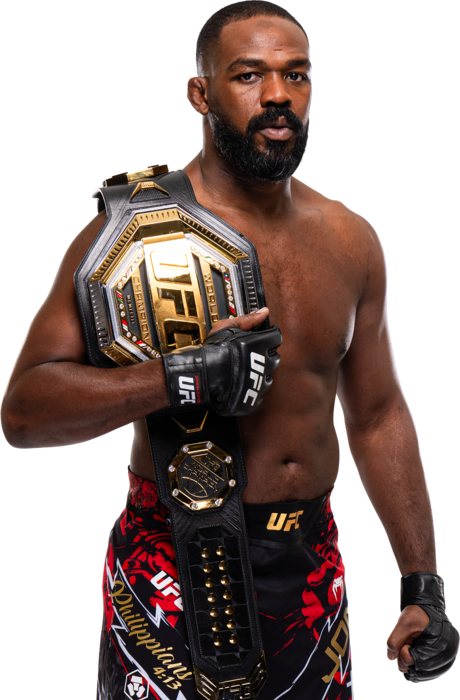
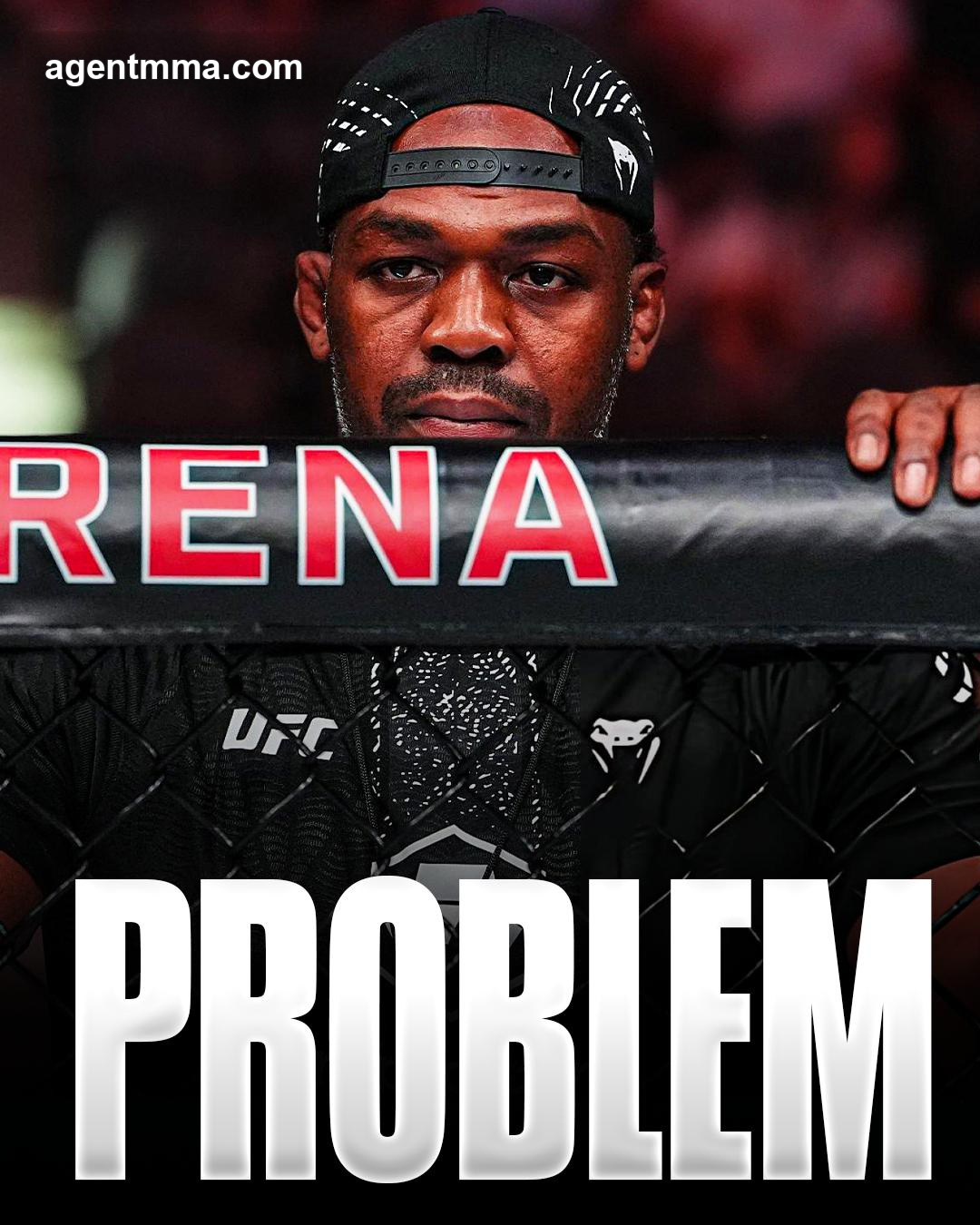
Jones, 38, carries a 28-1-0 record and stands six-foot-four with an 84-inch reach — physical tools that have anchored a career defined by striking accuracy of 58 percent and 4.38 significant strikes landed per minute. Kalugin's case for his top position rests on that combination of dominance inside the cage and sustained excellence at the highest level.
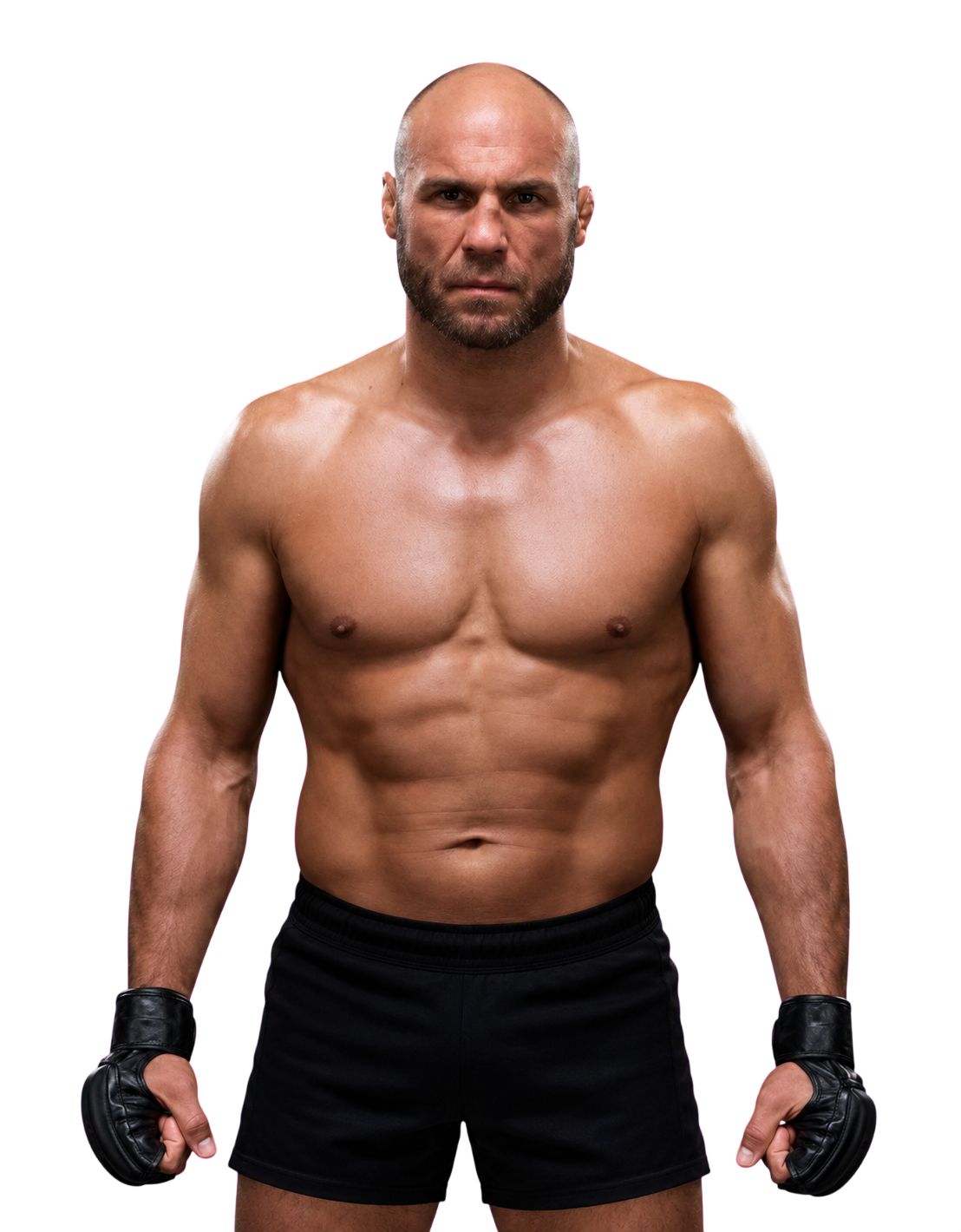
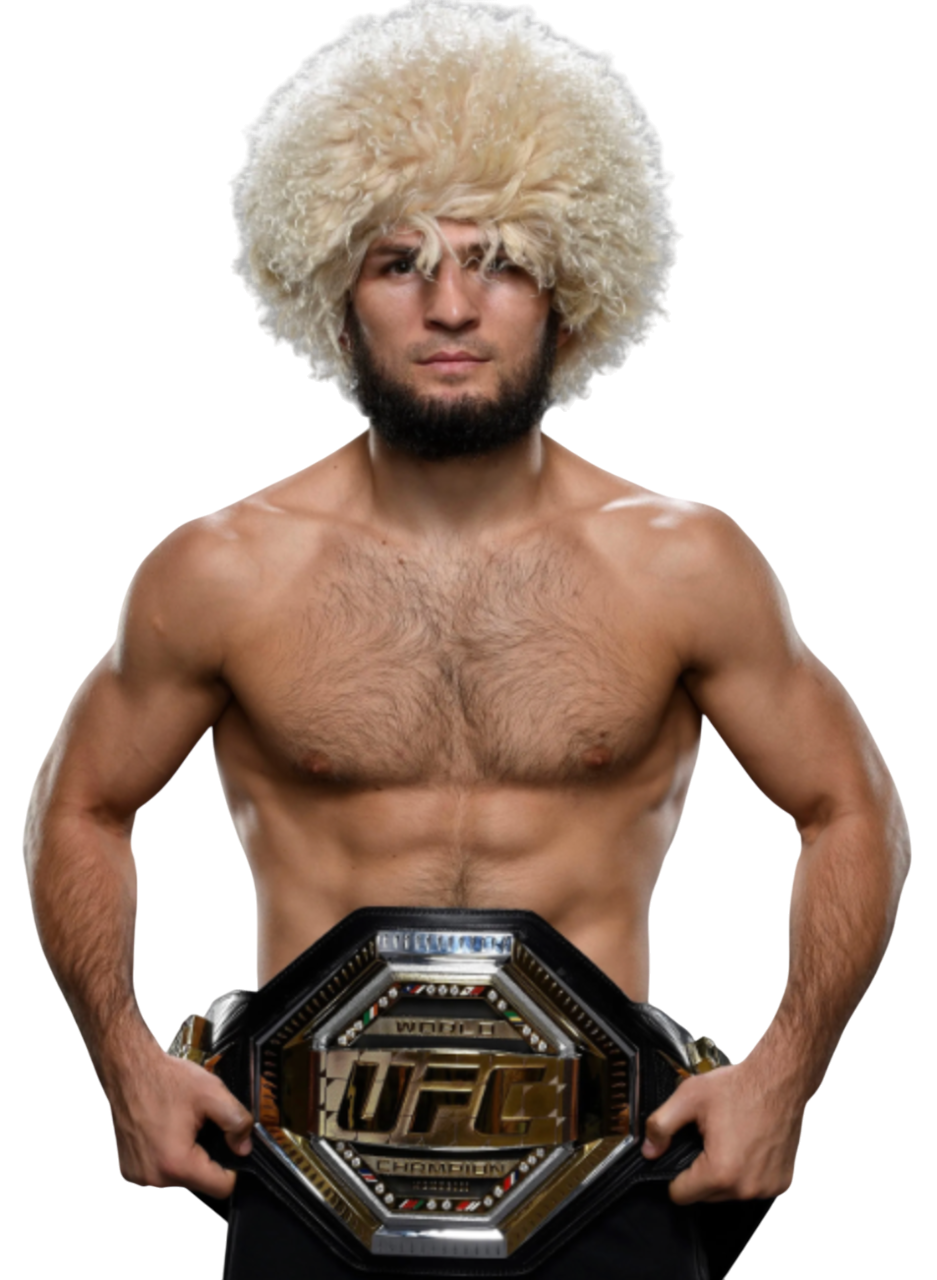
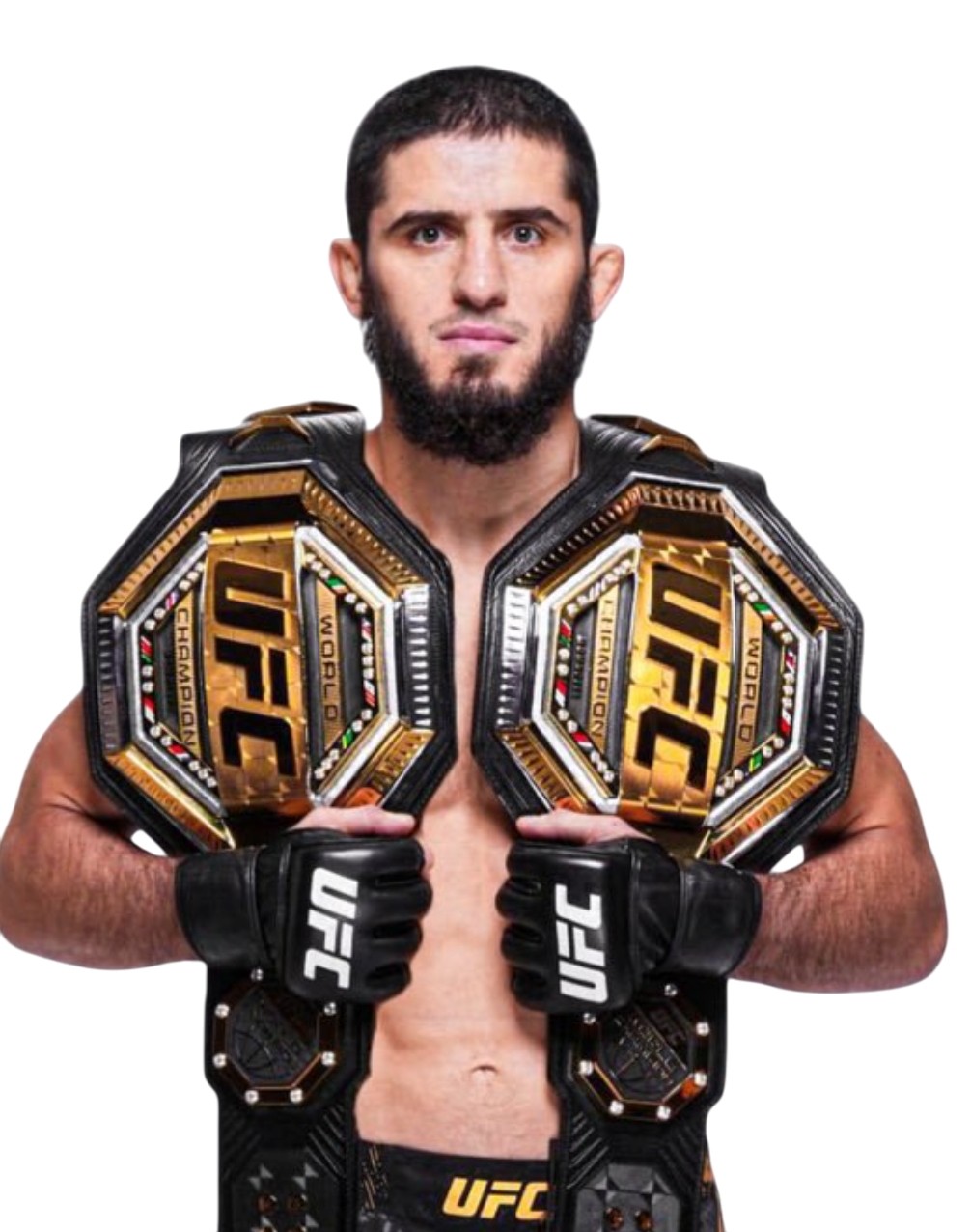
Khabib Nurmagomedov, 37, retired with a perfect 29-0-0 mark, an orthodox wrestler who averaged 5.32 takedowns per 15 minutes and struck at 4.1 significant strikes per minute with 48 percent accuracy. Kalugin defended placing Khabib third despite a relatively modest number of title defenses, pointing to the Russian fighter's unparalleled role in expanding MMA's global audience.

McGregor's placement at fourth drew on similar reasoning. Kalugin acknowledged that title-defense totals alone would not justify the position, but maintained that the Irishman's commercial footprint and role in bringing new fans to the sport are factors no serious ranking can ignore.
Why it matters
- The debate highlights a genuine analytical divide between measuring greatness by in-cage résumé versus broader cultural and commercial impact.
- Placing McGregor and Khabib ahead of fighters with longer title-defense records challenges traditional ranking methodology.
- Kalugin's proposed metrics — peak form, dominance, and popularization — could reshape how media analysts benchmark all-time greatness in MMA.