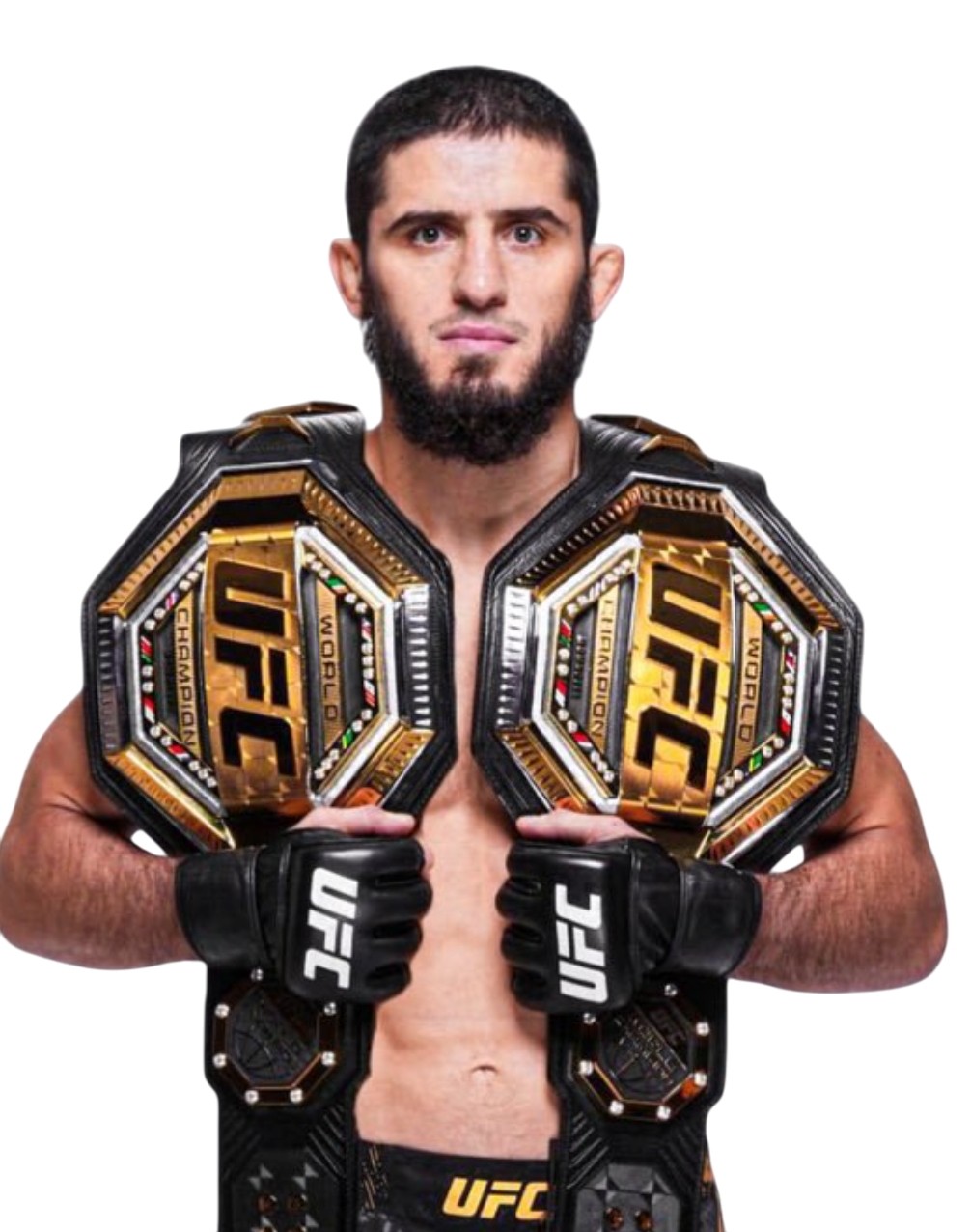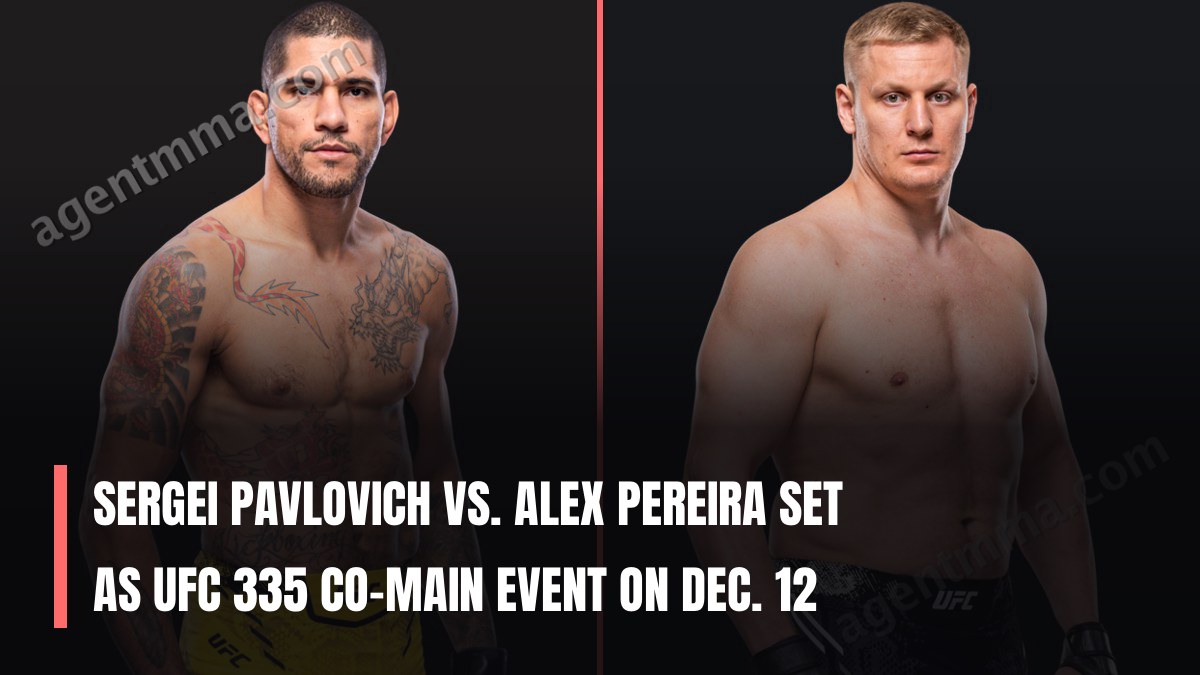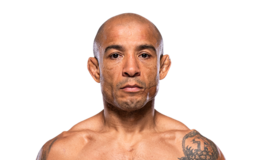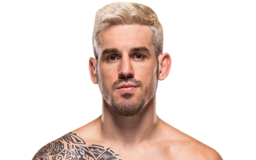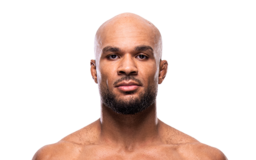

Russian MMA analyst Kalugin published a detailed critique of Vlad Matveev's top-10 UFC GOAT list, expressing surprise at the absence of Khabib Nurmagomedov and Conor McGregor. Kalugin argued that criteria like MMA popularization, peak form, fight dominance, commercial impact, and records should be weighted alongside titles and opposition quality. He proposed his own top-10 list placing Jon Jones first, GSP second, Khabib third, and McGregor fourth. The post sparked discussion about whether popularity and cultural impact should factor into GOAT debates as heavily as competitive achievements. Kalugin emphasized that while Matveev's statistical work was thorough, the concept of "greatness" must encompass a fighter's broader influence on the sport.
A debate over the criteria used to define UFC greatness has emerged in Russian MMA media circles, after analyst Kalugin published a detailed critique of a top-10 GOAT list compiled by fellow commentator Vlad Matveev.
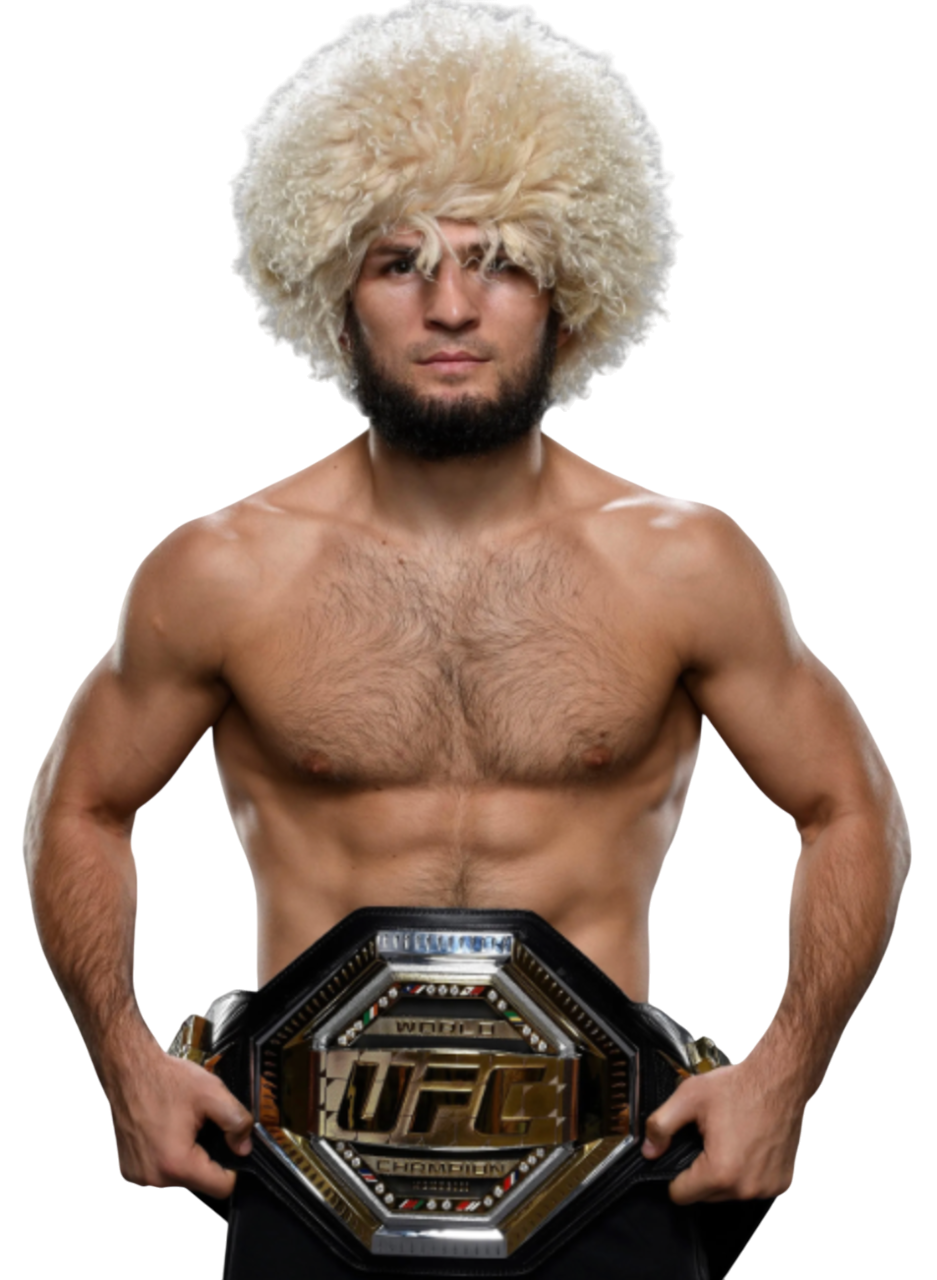
Kalugin's central objection was the absence of two of the sport's most recognizable names. He argued that Khabib Nurmagomedov and Conor McGregor belong in any serious conversation about UFC greatness, and that a ranking framework must weigh MMA popularization, peak dominance, commercial impact, and records alongside titles won and the quality of opposition faced.
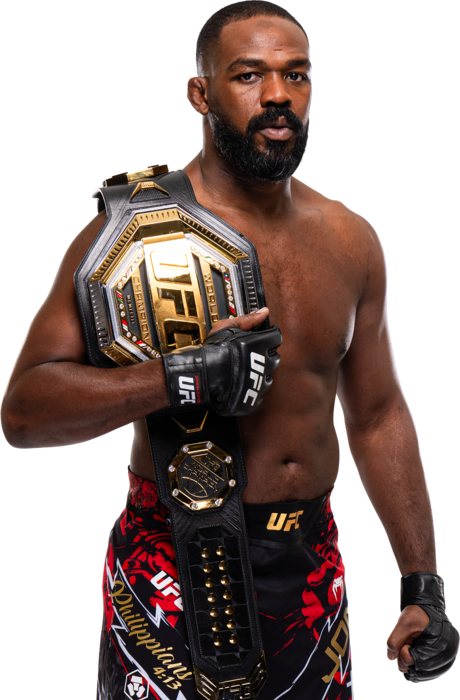
Khabib Nurmagomedov, 37, retired with a perfect 29-0 record and remains one of the most dominant grapplers the sport has seen. The Russian lightweight averaged 5.32 takedowns per 15 minutes and landed significant strikes at a rate of 4.1 per minute across his UFC career, finishing fights with a combination of suffocating pressure and precise striking that his advocates argue is unmatched in the division's history.
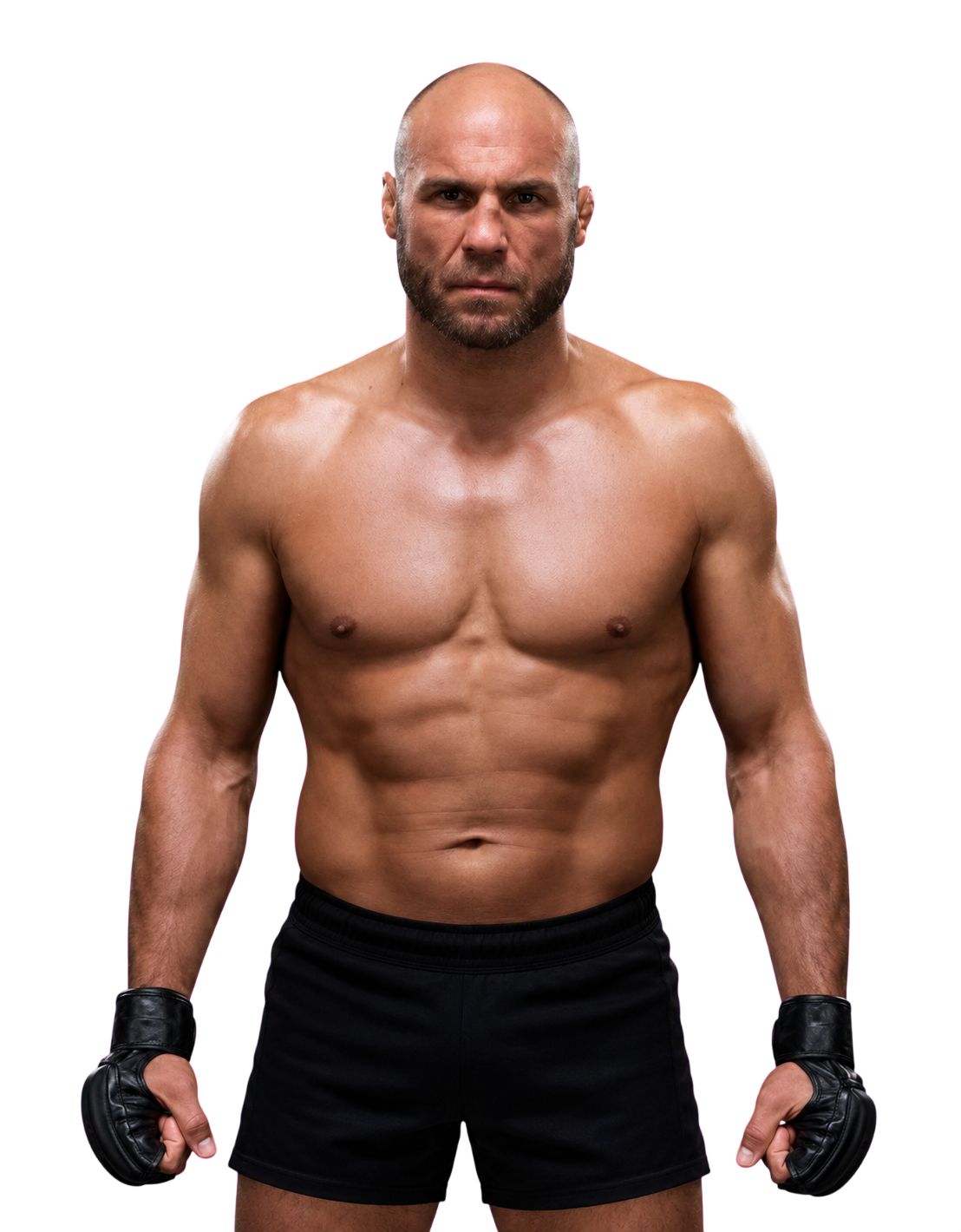
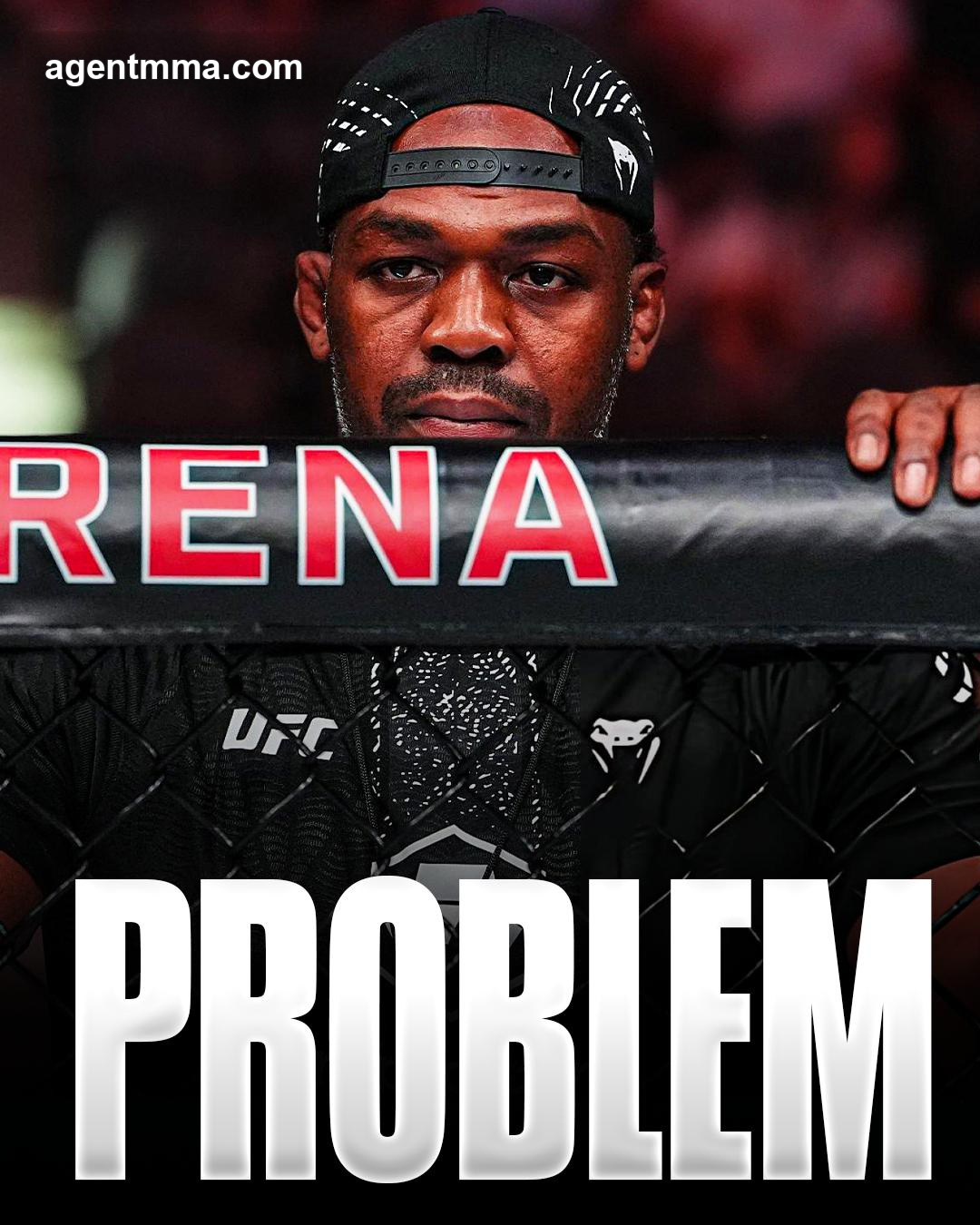
Jon Jones, whom Kalugin placed first on his own list, carries a 28-1 record at 38 years old. The six-foot-four light heavyweight boasts a remarkable 84-inch reach and posts striking accuracy of 58 percent, among the highest figures for an active or recently active champion. His combination of wrestling and creative striking has made him a reference point in nearly every GOAT discussion.
Why it matters
- The debate highlights a genuine split in how analysts define greatness: competitive metrics versus cultural and commercial influence
- Khabib's omission from Matveev's list is notable given his perfect record and widespread recognition as one of the sport's most impactful figures
- Rankings that exclude popularity risk undervaluing fighters who expanded the sport's global audience, a point Kalugin pressed directly
- The exchange reflects a broader, ongoing tension in combat sports analytics between quantitative achievement and qualitative legacy