
MMA analyst Kalugin responded to Vlad Matveev's top 10 greatest UFC fighters list, expressing surprise at the exclusion of Khabib Nurmagomedov and Conor McGregor. Kalugin argues that greatness should include not only titles and opposition quality, but also influence on the sport, peak form, fight dominance, commercial impact, and records. He proposes additional criteria beyond Matveev's methodology, including contribution to MMA popularization and geographical expansion. Kalugin's revised top 10 places Jon Jones first, Georges St-Pierre second, Khabib third, and McGregor fourth. He emphasizes that both Khabib and McGregor significantly expanded MMA's reach in the Arab world and globally, respectively, and generated unprecedented commercial success and motivation for future fighters.
MMA analyst Kalugin has entered the ongoing debate over the greatest fighters in UFC history, pushing back against a top ten list compiled by fellow analyst Vlad Matveev that left out both Khabib Nurmagomedov and Conor McGregor.
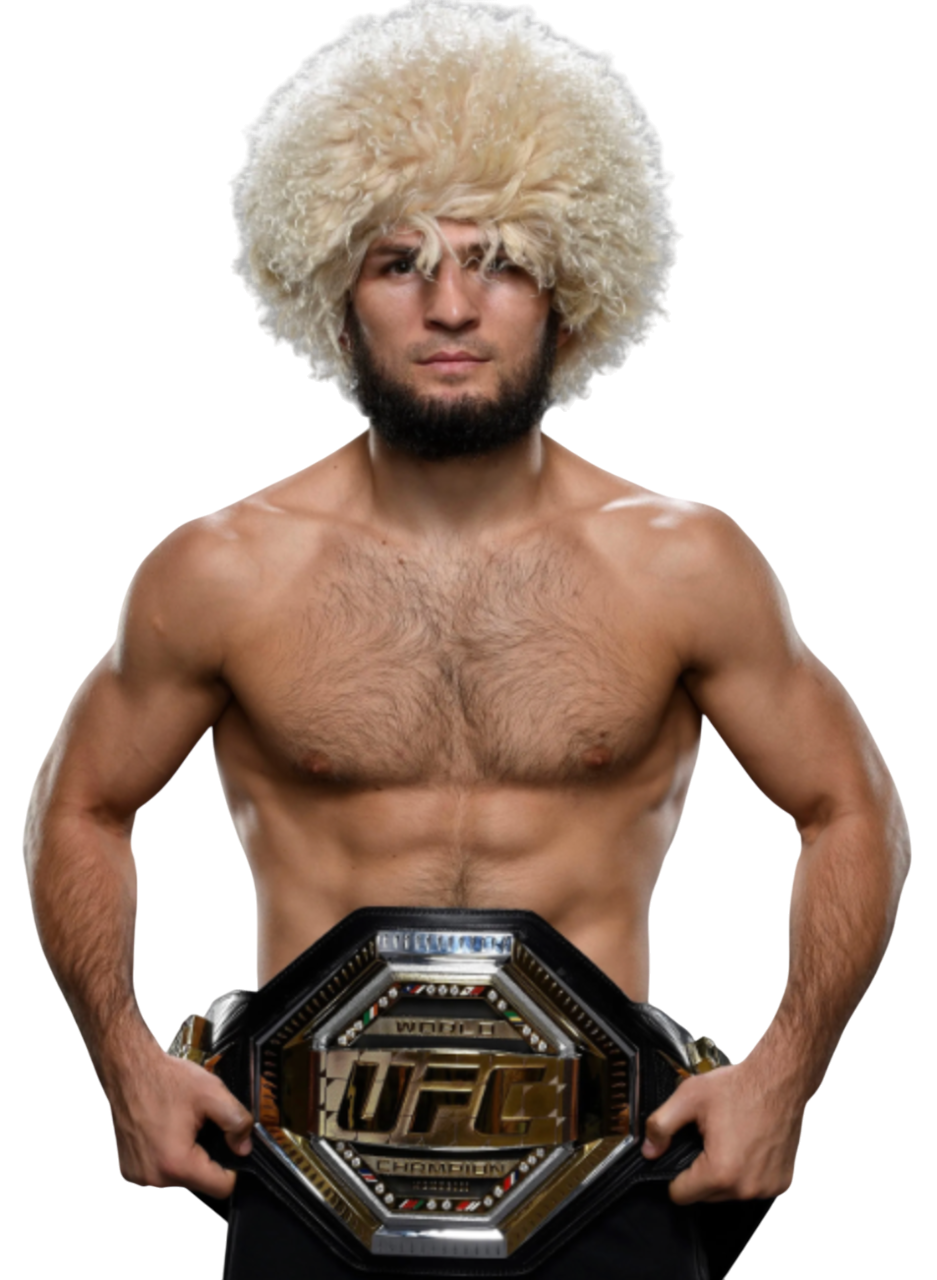
Kalugin's central argument is that greatness cannot be measured by titles and opposition quality alone. He proposes a broader framework that also accounts for influence on the sport, peak dominance, commercial impact, records set, and contribution to MMA's geographical and cultural expansion. Under that expanded methodology, he places Jon Jones first, Georges St-Pierre second, Khabib third, and McGregor fourth.

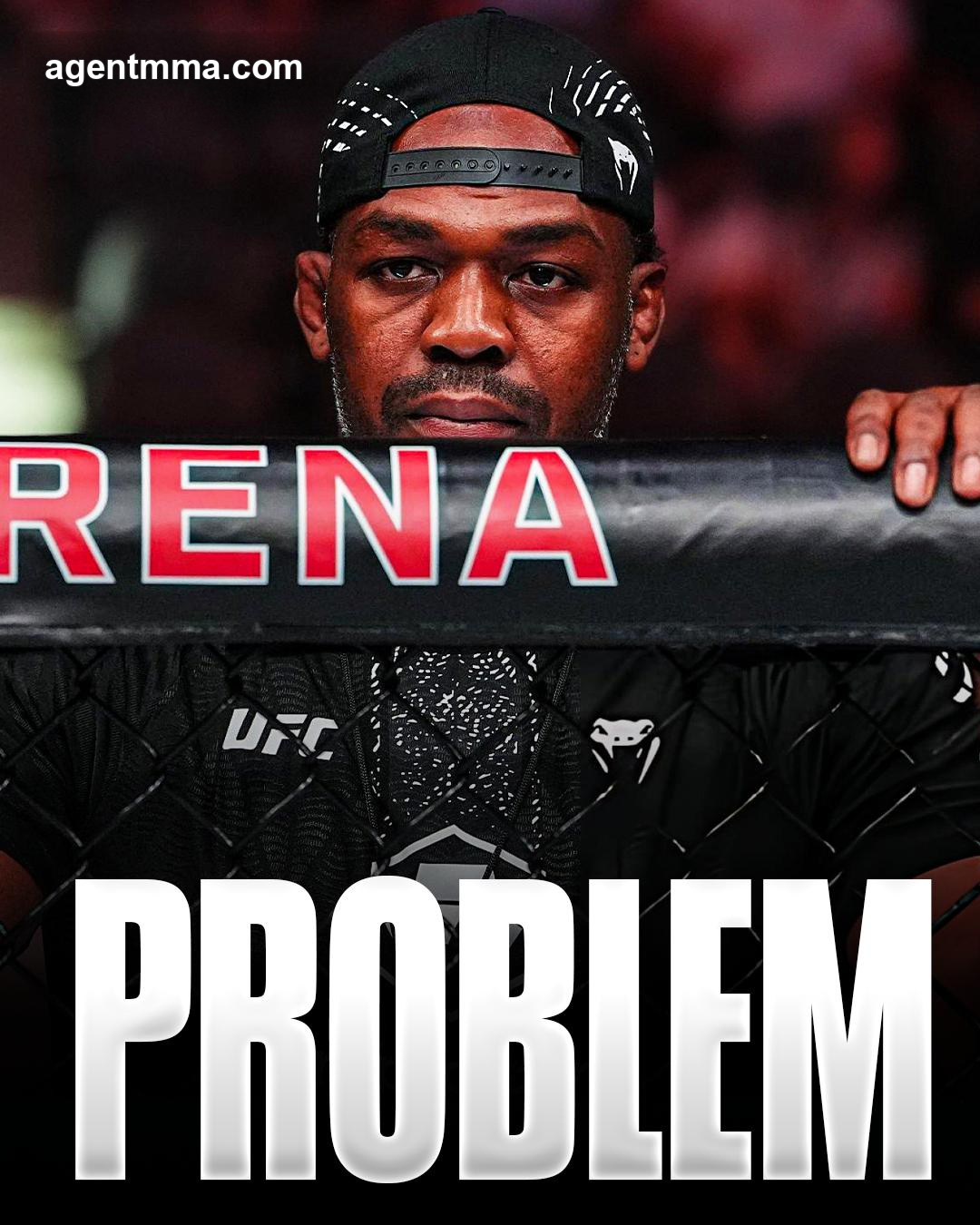
Jones, 38, carries a 28-1-0 professional record and stands six-foot-four with an 84-inch reach. He lands 4.38 significant strikes per minute at a 58 percent accuracy rate, numbers that reflect the sustained offensive pressure behind his case for the top spot.

Khabib Nurmagomedov, 37, retired with a perfect 29-0-0 record. The Russian orthodox fighter stood five-foot-ten with a 70-inch reach and averaged 5.32 takedowns per 15 minutes, a figure that underlines the suffocating grappling style Kalugin points to when arguing his place among the all-time greats. Kalugin also highlights Khabib's role in expanding MMA's audience across the Arab world and broader Muslim-majority markets.

McGregor's inclusion is framed around commercial impact and the global popularization of the sport rather than statistical dominance alone. Kalugin credits the Irishman with generating unprecedented pay-per-view revenue and inspiring a new generation of fighters worldwide.
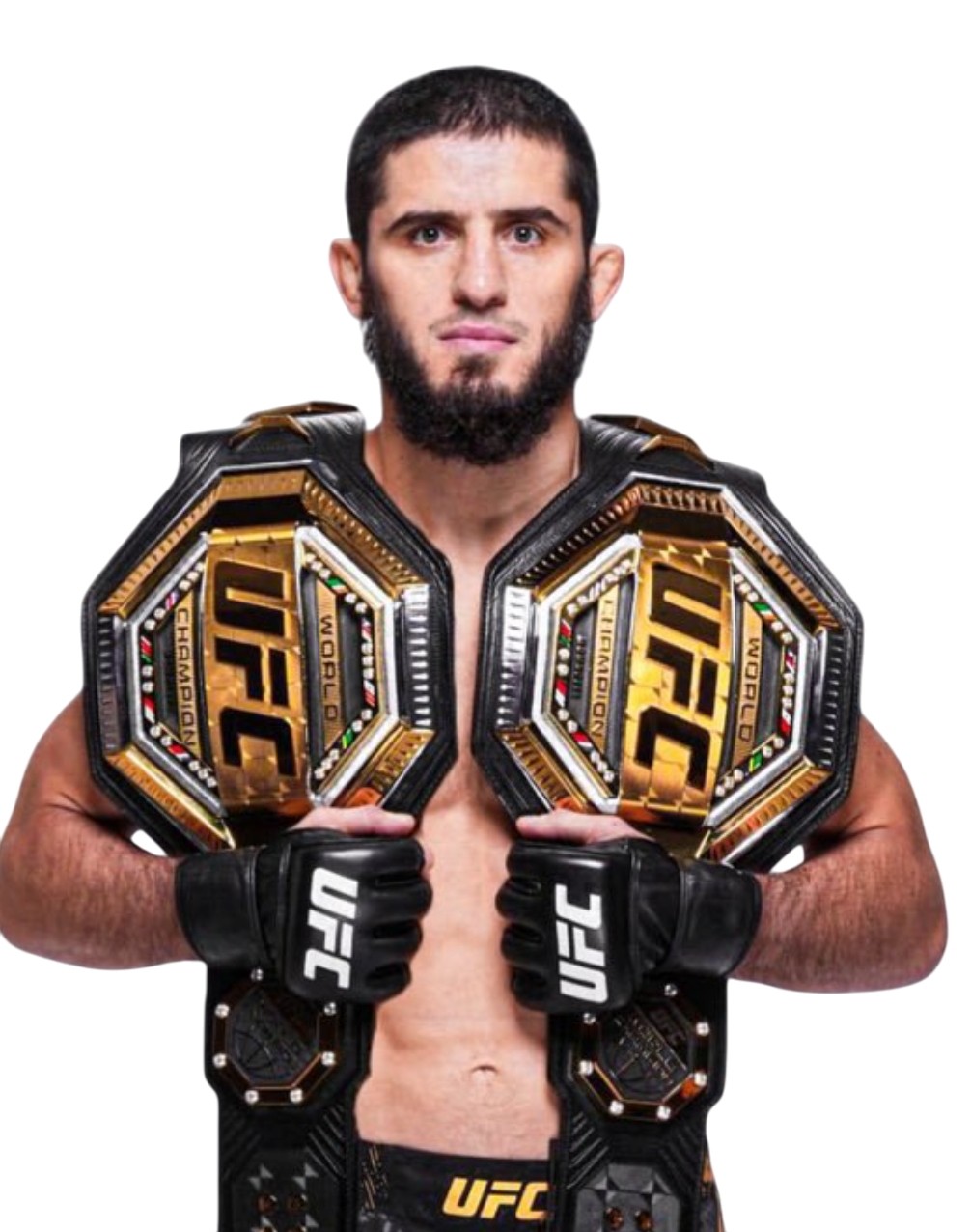
Why it matters
- The debate reflects a broader split among analysts over whether legacy metrics should weigh cultural and commercial impact alongside in-cage performance.
- Placing Khabib third and McGregor fourth represents a significant departure from criteria that prioritize title reigns and ranked opposition.
- Jones topping the list above St-Pierre will likely draw continued discussion given the contrasting ways each fighter's career unfolded.