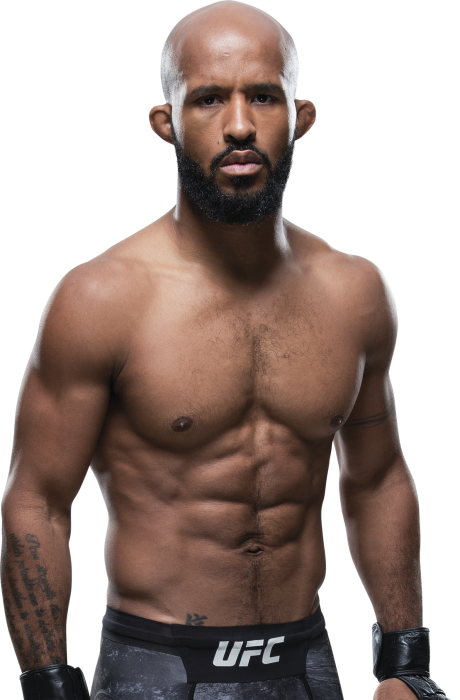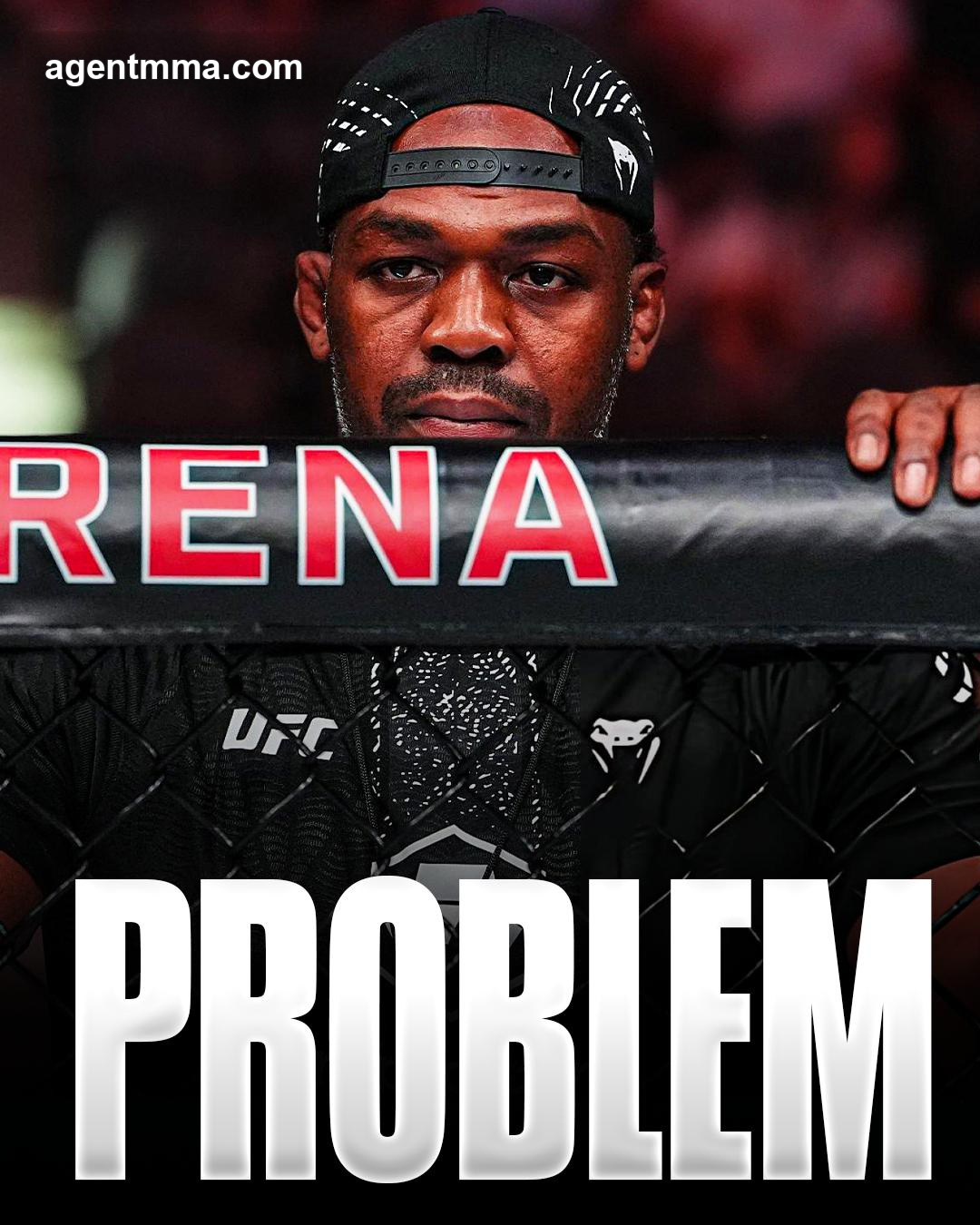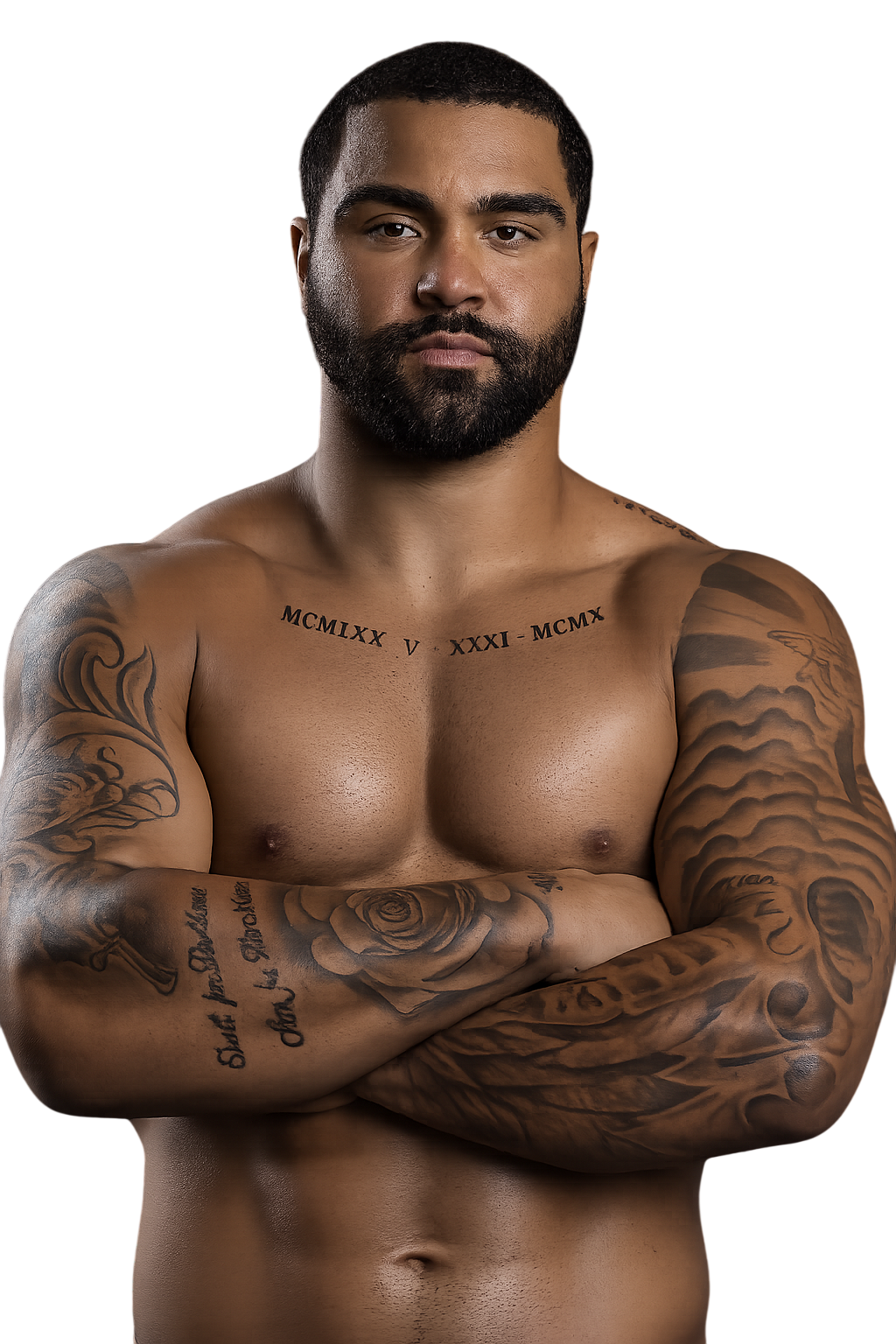

MMA analyst sparked debate by excluding Khabib Nurmagomedov and Conor McGregor from a top 10 greatest UFC fighters list. The original ranking considered factors like title defenses, opponent quality, and longevity, but excluded criteria such as impact on sport popularization and peak performance. A counter-argument suggests that greatness should include a fighter's scale and influence, not just titles. The revised list places Jon Jones first, followed by Georges St-Pierre, with Khabib third and McGregor fourth. The discussion highlights different perspectives on what defines greatness in MMA history.
A debate over how to properly define greatness in mixed martial arts history has resurfaced after an analyst released a top-ten all-time UFC fighters list that omitted both Khabib Nurmagomedov and Conor McGregor entirely.
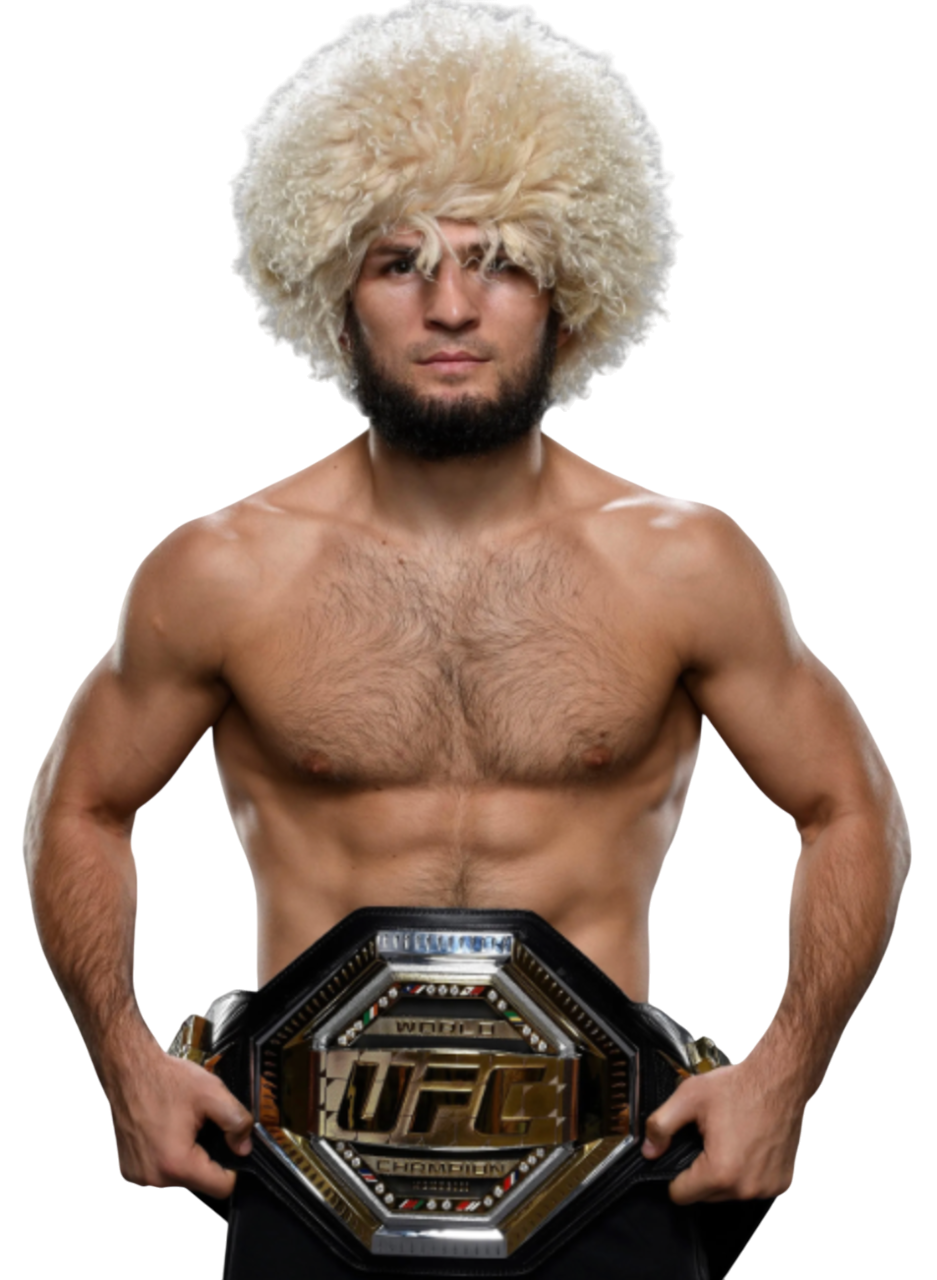
The original ranking weighed criteria such as title defenses, quality of opposition, and career longevity, but drew criticism for leaving out factors like a fighter's cultural impact and peak performance. A counter-argument quickly emerged, contending that influence on the sport's global growth must be part of any serious conversation about all-time standing. A revised version of the list places Jon Jones at number one, Georges St-Pierre second, Khabib third, and McGregor fourth.
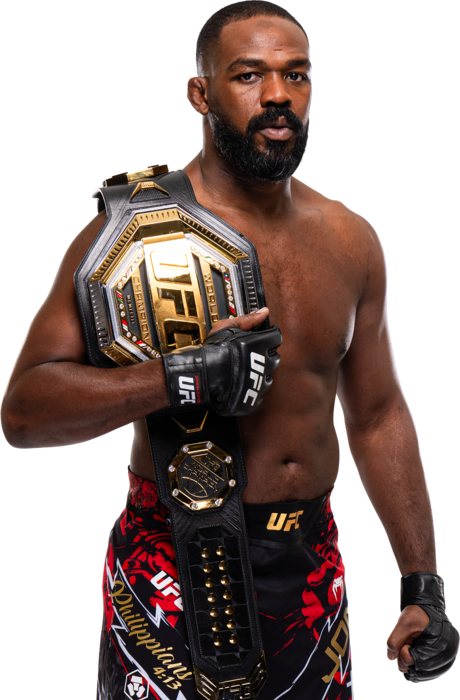
Jones, 38, carries a 28-1-0 professional record and is widely regarded as the most decorated champion in UFC history. Standing six-foot-four with an 84-inch reach, he lands 4.38 significant strikes per minute at a 58 percent accuracy rate, numbers that reflect both volume and precision across multiple divisions.
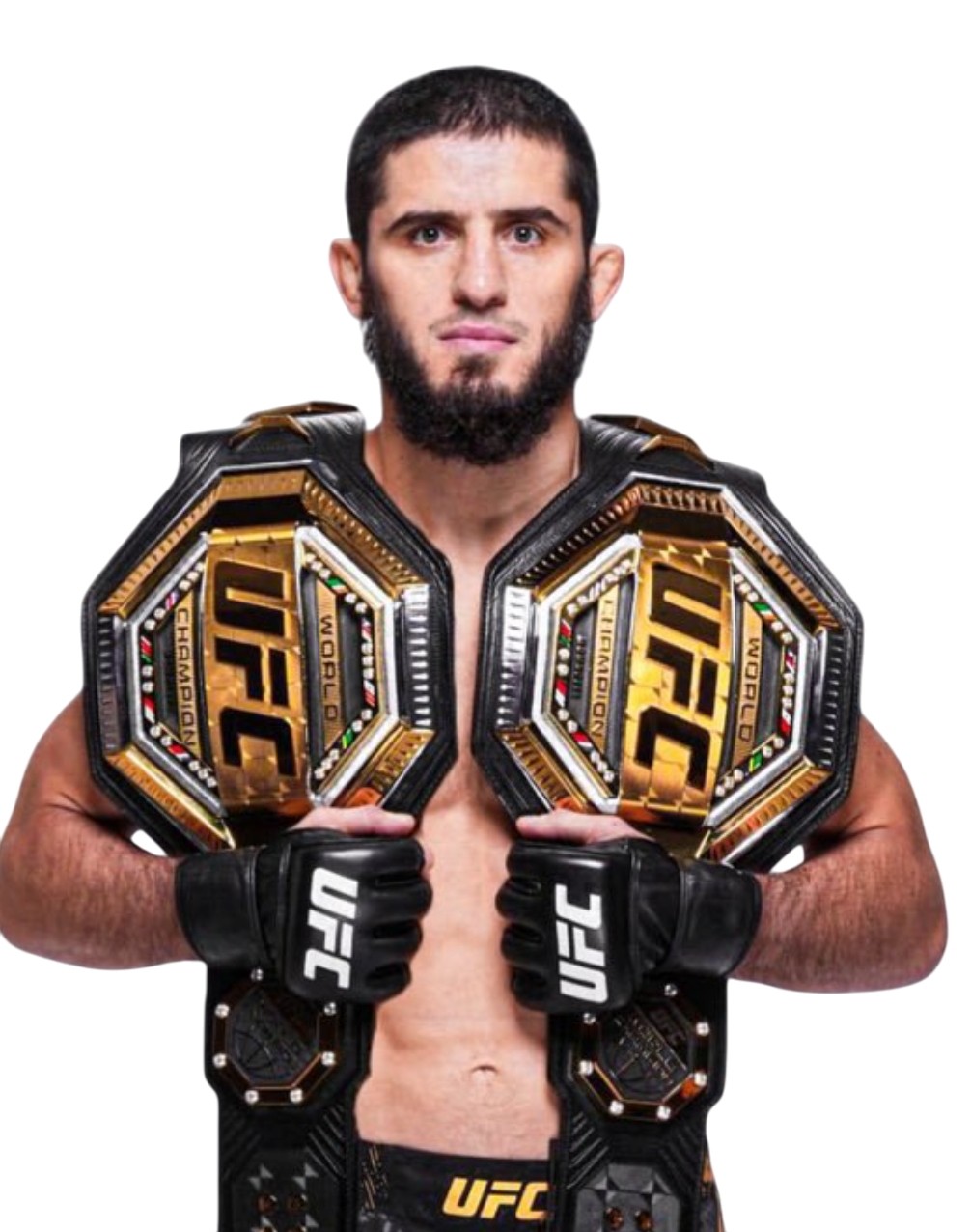
Khabib Nurmagomedov, 37, retired with a perfect 29-0-0 record and built his legacy on suffocating grappling. The Russian fighter from Fightspirit Team averages 5.32 takedowns per 15 minutes, a figure that underscores why opponents consistently struggled to survive a full fight with him.

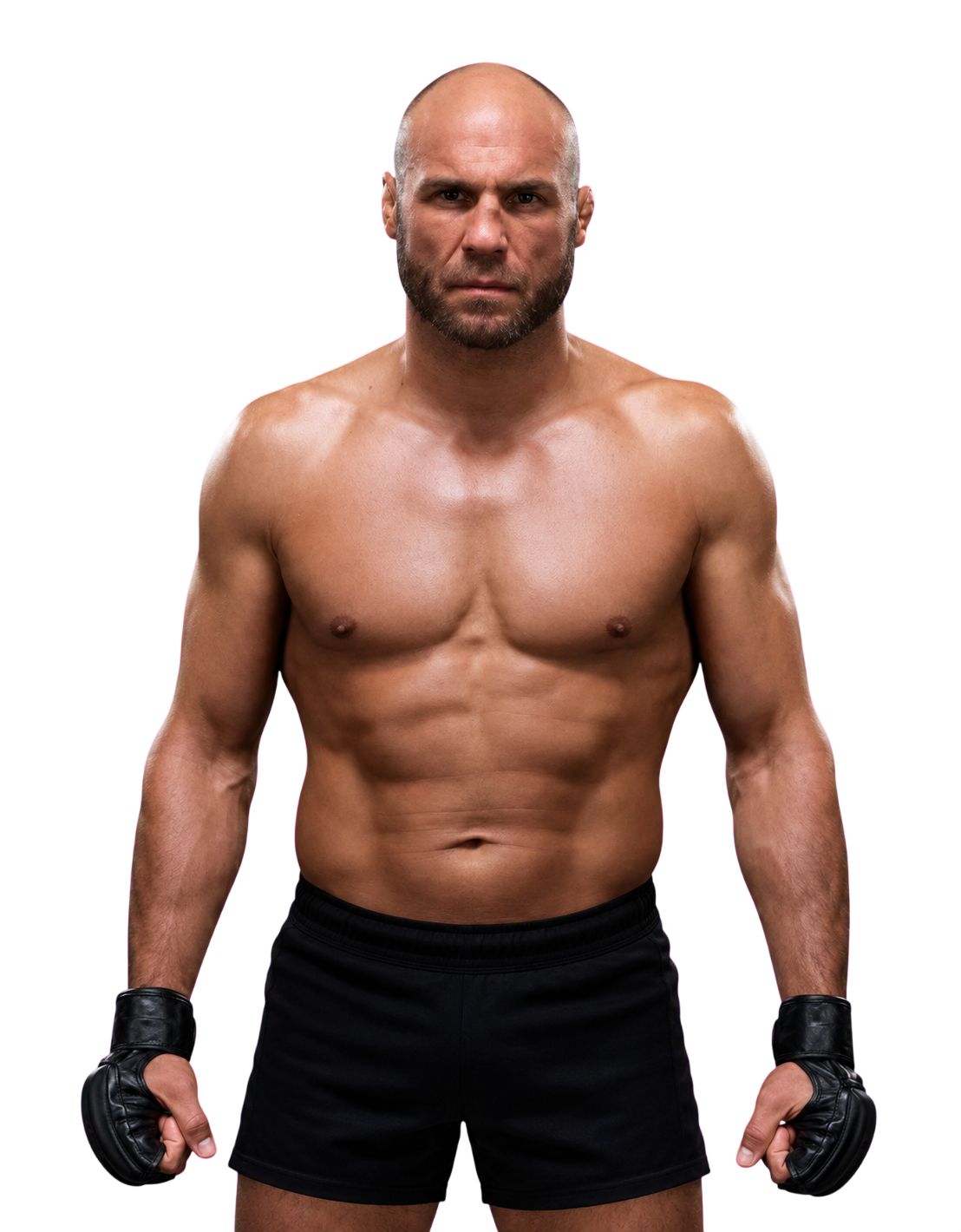
Randy Couture, 63, also factors into the broader historical discussion. The American veteran finished his career at 19-11-0 and demonstrated unusual longevity by competing for and winning titles across two weight classes at an advanced age. His 57 percent striking accuracy and 2.78 takedowns per 15 minutes reflect a well-rounded game that held up across different eras of the sport.
Why it matters
- Criteria selection dramatically changes which fighters appear on any all-time list
- Omitting peak performance and cultural impact disadvantages fighters like McGregor who transformed the sport's reach
- Khabib's perfect record and elite grappling metrics make his exclusion from the original list difficult to defend on statistical grounds
- The debate reflects a wider tension in MMA between quantifiable achievement and broader legacy