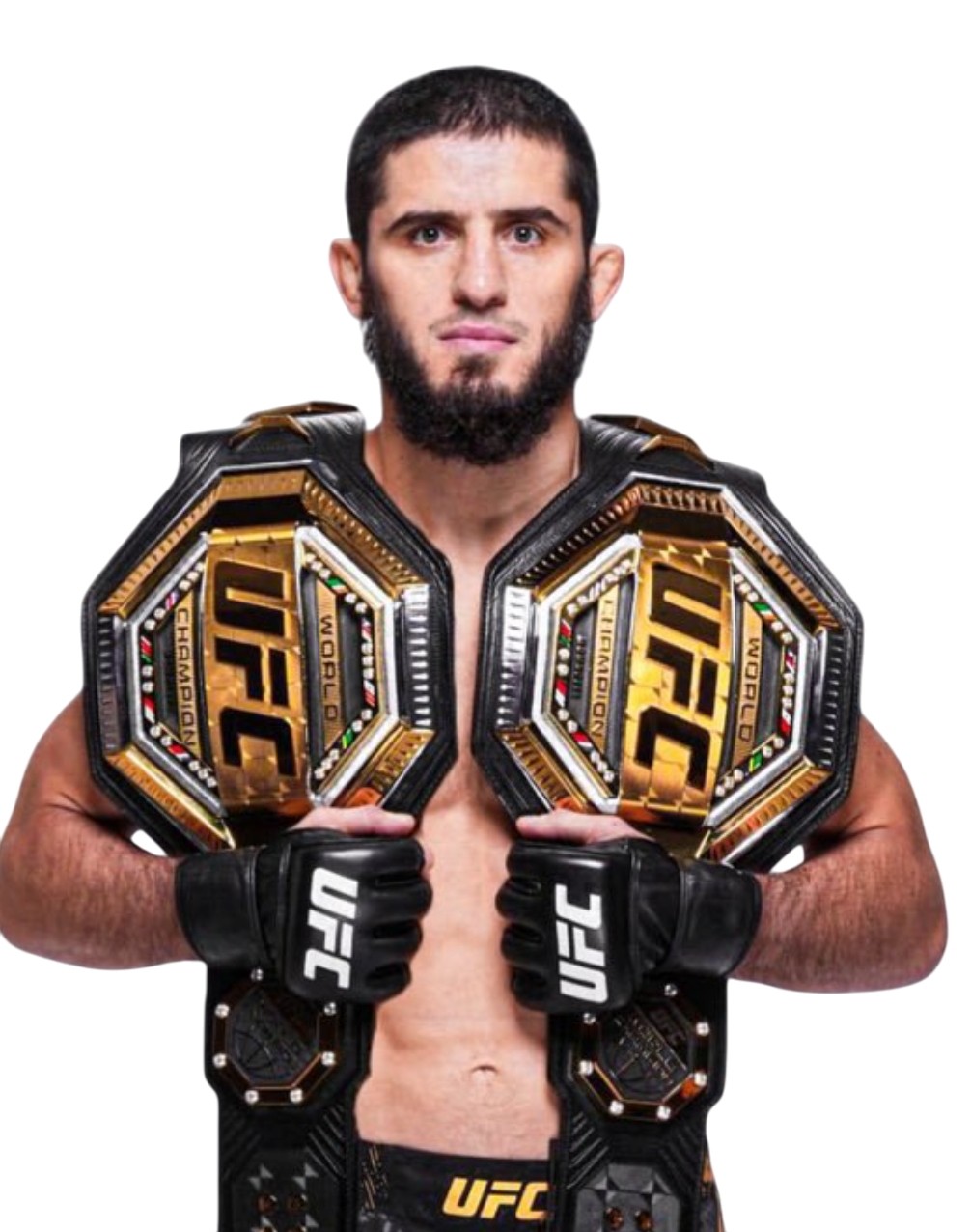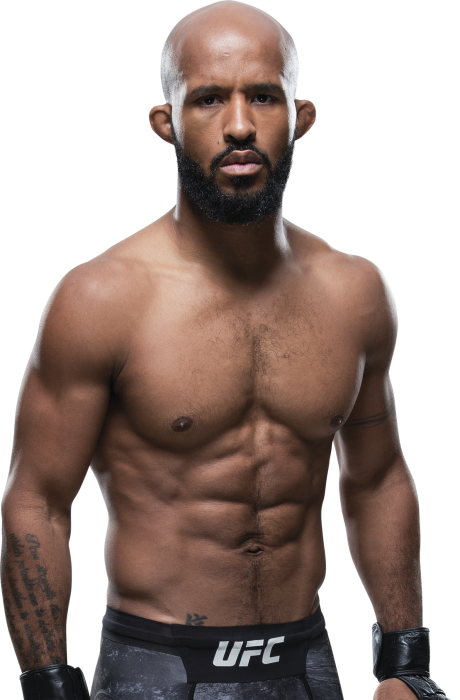

A prominent MMA analyst published a top 10 greatest UFC fighters list that excluded Khabib Nurmagomedov and Conor McGregor, sparking debate in the Russian MMA community. The original ranking used criteria including quality opposition, title defenses, finishing rate, and longevity. Critics argue the list should also consider broader impact metrics like popularization of MMA globally, peak performance dominance, commercial success, and geographic expansion of the sport. An alternative ranking places Jon Jones first, followed by Georges St-Pierre, Khabib Nurmagomedov, Conor McGregor, and Jose Aldo rounding out the top five. The discussion highlights differing views on whether greatness should be measured purely by competitive achievements or also include cultural and financial impact on the sport.
A debate has erupted in the Russian MMA community after a prominent analyst published a top-ten greatest UFC fighters list that left out both Khabib Nurmagomedov and Conor McGregor, two of the sport's most recognizable names.
The original ranking leaned heavily on competitive benchmarks — quality of opposition, number of title defenses, finishing rate, and career longevity. Critics pushed back, arguing those criteria ignore how certain fighters transformed the sport beyond the cage, pointing to factors such as global popularization of MMA, commercial success, and geographic expansion of the fan base. A counter-ranking circulated in response, placing Jon Jones first, Georges St-Pierre second, Khabib third, McGregor fourth, and Jose Aldo fifth.
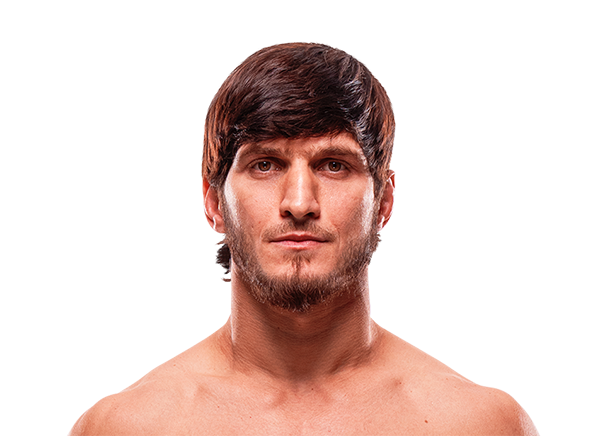
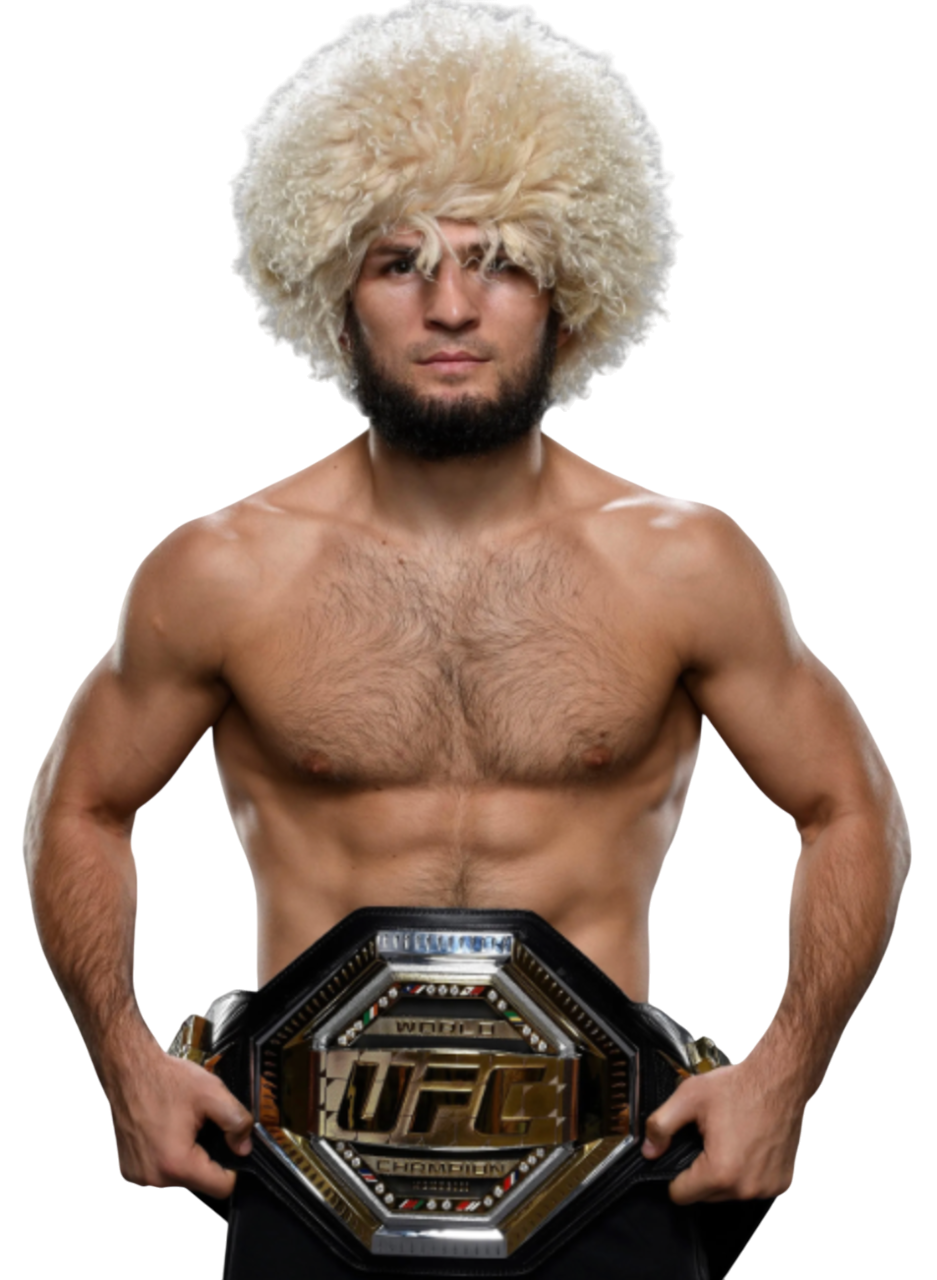
Khabib Nurmagomedov, 37, retired from competition with a perfect 29-0 record and remains one of the most dominant champions Russia has ever produced. Standing five-foot-ten with a 70-inch reach, he averaged 5.32 takedowns per 15 minutes throughout his career and landed significant strikes at a rate of 4.1 per minute, finishing opponents at a remarkable clip.
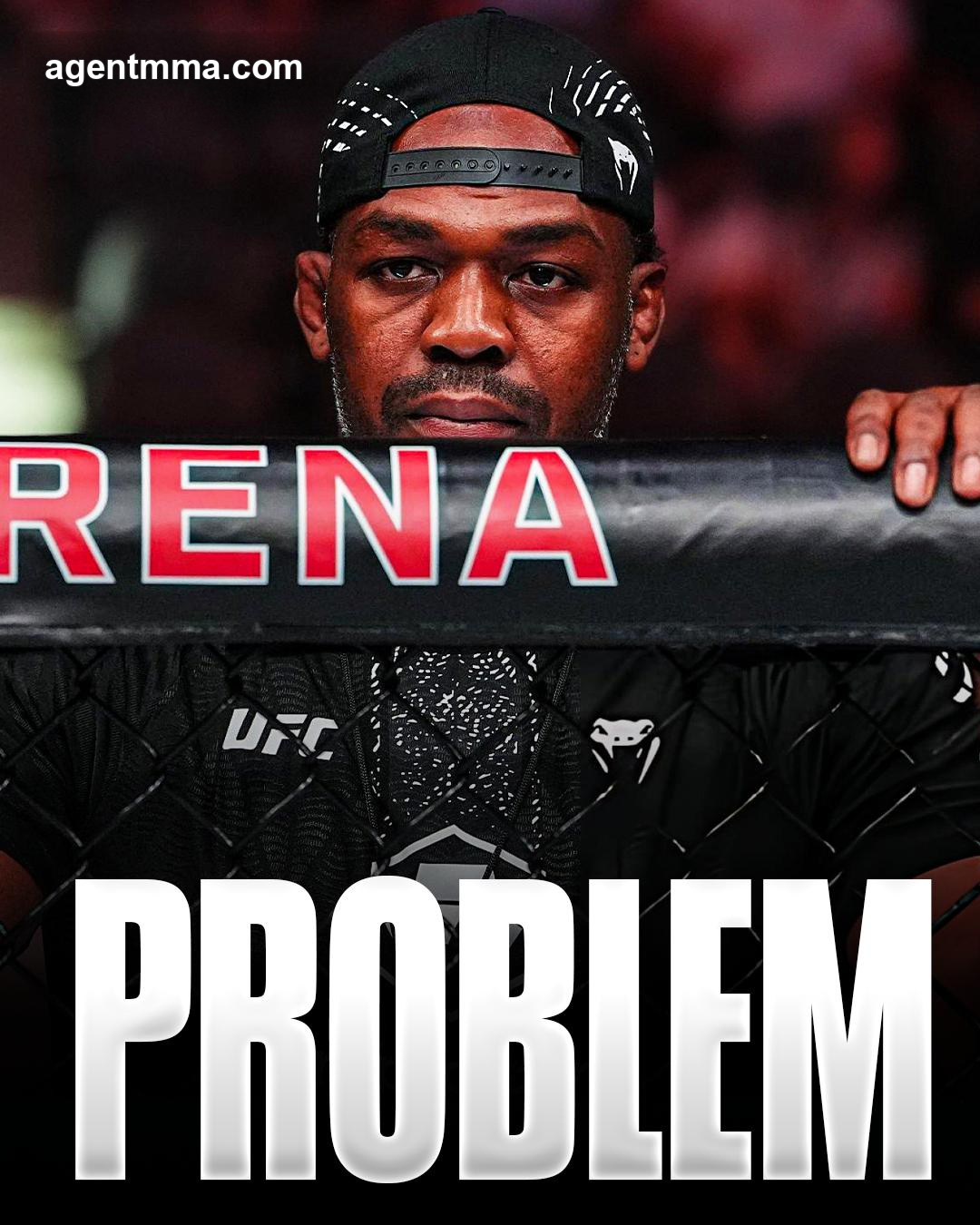
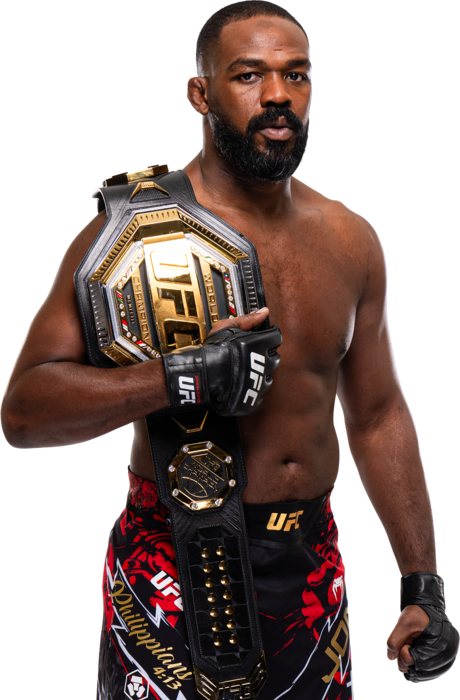
Jon Jones, 38, carries a 28-1 record and is widely regarded as the most gifted all-around fighter in UFC history. At six-foot-four with an extraordinary 84-inch reach, he connects on 58 percent of his significant strikes while averaging 4.38 per minute — numbers that reflect his technical precision across multiple weight classes.

Why it matters
- The debate frames a broader question: should historical rankings weigh only in-cage performance, or also reward fighters who expanded the sport's global audience
- Khabib's omission is particularly sensitive given his undefeated record and outsized cultural influence in Russia and across Central Asia
- Jones sitting atop both competing lists suggests some consensus exists at the very top, even as the criteria for the remaining spots remain contested
- The discussion reflects how MMA's evolving commercial scale has made purely athletic metrics feel incomplete to many observers