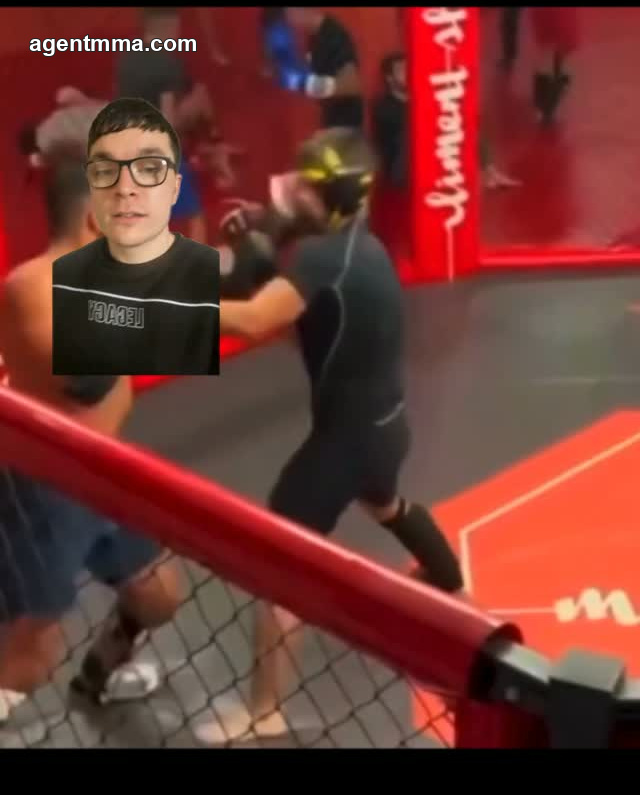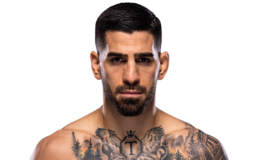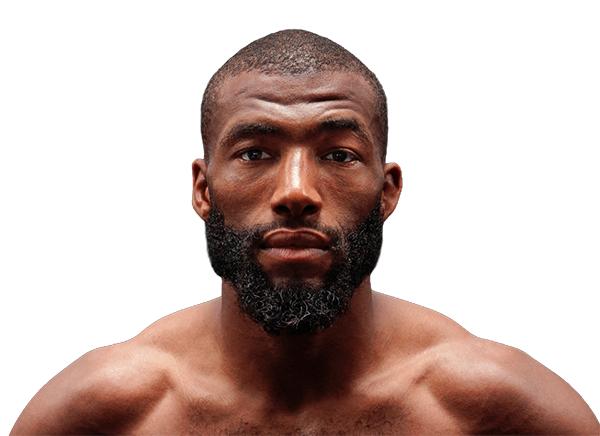

Curtis Blaydes stated he respects Josh Hockita as a fighter despite disliking his personality and pre-fight behavior. Blaydes explained it would be insincere and hypocritical to call Hockita names after their fight, acknowledging that his opponent can genuinely fight. While Blaydes doesn't appreciate Hockita's antics and persona outside the cage, he maintains respect for him inside the octagon when they face each other with gloves on. The heavyweight contender emphasized the importance of recognizing an opponent's fighting ability regardless of personal feelings. Blaydes' comments reflect a mature perspective on separating in-cage performance from out-of-cage behavior.
Curtis Blaydes has made clear he holds genuine respect for Josh Hockita as a competitor, even as he takes issue with his opponent's pre-fight behavior and overall persona.
Speaking ahead of their matchup, Blaydes said it would feel insincere and hypocritical to disparage Hockita after the fight, acknowledging plainly that the man across from him can genuinely fight. The heavyweight contender drew a firm line between what happens inside the cage and what he thinks of Hockita's conduct outside it — dismissing the antics while still crediting the ability.
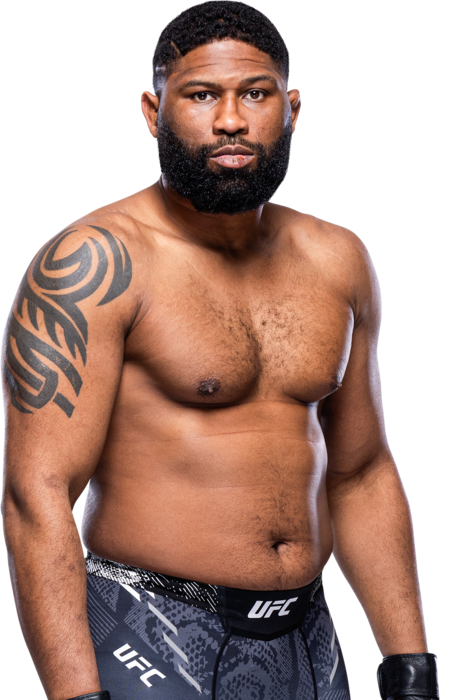
Blaydes, known as "Razor," enters the bout ranked fourth in the UFC heavyweight division. The 35-year-old American trains out of Elevation Fight Team and carries a professional record of 19-6. Standing six-foot-four with an 80-inch reach, he is a physical presence who backs his size with elite grappling output, averaging 5.38 takedowns per 15 minutes — one of the higher marks in the division. He also posts 3.56 significant strikes landed per minute at 50 percent accuracy, making him a genuine threat in multiple areas.
Why it matters
- Blaydes sits fourth in the heavyweight rankings, meaning a strong performance here carries real divisional weight
- His comments signal a composed, professional mindset heading into a fight that has carried some personal friction
- The style matchup will be worth watching given Blaydes' wrestling-heavy approach and the pressure it tends to place on opponents