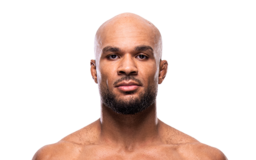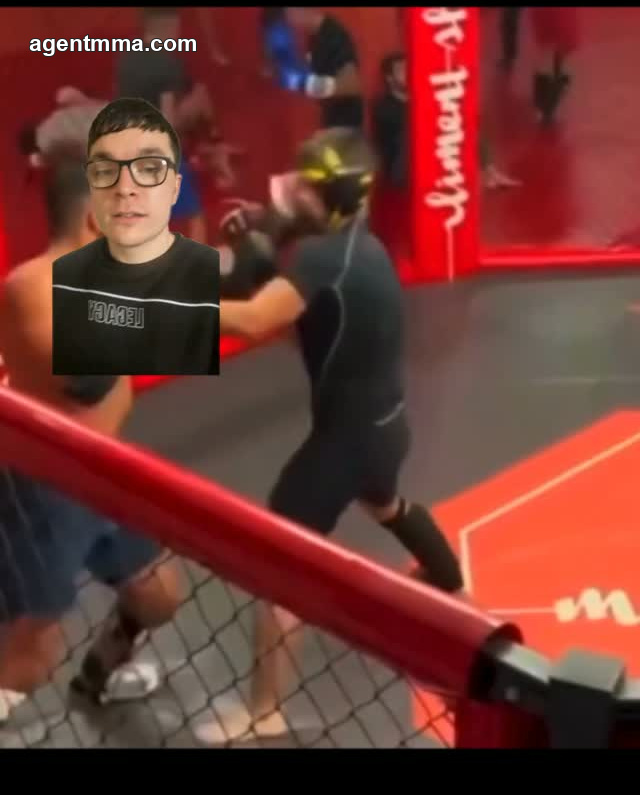

Mark Vologdin discussed the emotions and decisions from his UFC debut, specifically addressing his choice to keep his hands low during the third round. When asked about absorbing significant strikes due to his low guard despite corner advice, Vologdin acknowledged fighting on instinct. He explained that even while being hit, he mentally believed his opponent could not hurt him enough to drop him, though he admitted this was foolish. Vologdin stated he does not care about criticism regarding his technique or health risks, emphasizing that he chose this path himself and simply enjoyed the experience of competing.
Mark Vologdin has opened up about one of the more debated moments from his UFC debut, explaining why he chose to keep his hands low during the third round despite taking significant punishment and instruction from his corner to adjust.
The 26-year-old orthodox striker, who stands five-foot-three with a 65-inch reach and carries a professional record of 12-4-2, acknowledged in a recent interview that he was fighting largely on instinct in that final frame. When pressed on absorbing clean shots while ignoring his corner's advice, Vologdin admitted the decision was foolish, yet maintained that he mentally convinced himself his opponent lacked the power to drop him.
What stands out about Vologdin's game in the data is his striking output. He lands 7.8 significant strikes per minute at 52 percent accuracy, numbers that reflect an aggressive, high-volume approach. That style, combined with a low guard in the third round, left him open to return fire — a risk he appears to have accepted willingly.

Perhaps most striking was his attitude toward the backlash. Vologdin said he does not care about criticism directed at his technique or the health concerns it raises. He framed the choice as entirely his own and described simply enjoying the experience of competing at that level for the first time.
Why it matters
- Vologdin's high striking volume makes his guard discipline a genuine tactical question at UFC level, where opponent quality rises sharply.
- His comments suggest he may resist corner interventions mid-fight, which could become a recurring point of tension with his team.
- As a UFC newcomer still establishing himself, how he refines — or defends — his habits will shape his development in the division.